

Today, reading from a smartphone screen is second nature. But two decades ago, the idea of consuming an entire novel on a tiny mobile display sounded completely crazy. Traditional publishing houses were convinced that the future of digital reading belonged strictly to e-readers like the Amazon Kindle.
Two engineers from Toronto, however, saw a different future. They set out to break open the exclusive, gatekept club of traditional publishing by building a space where anyone could share their story with a single click. That vision became Wattpad—a Canadian startup that grew into the world’s largest social platform for readers and writers, as reported by toronto1.one.
The Dawn of a Revolution: A Five-Line Display
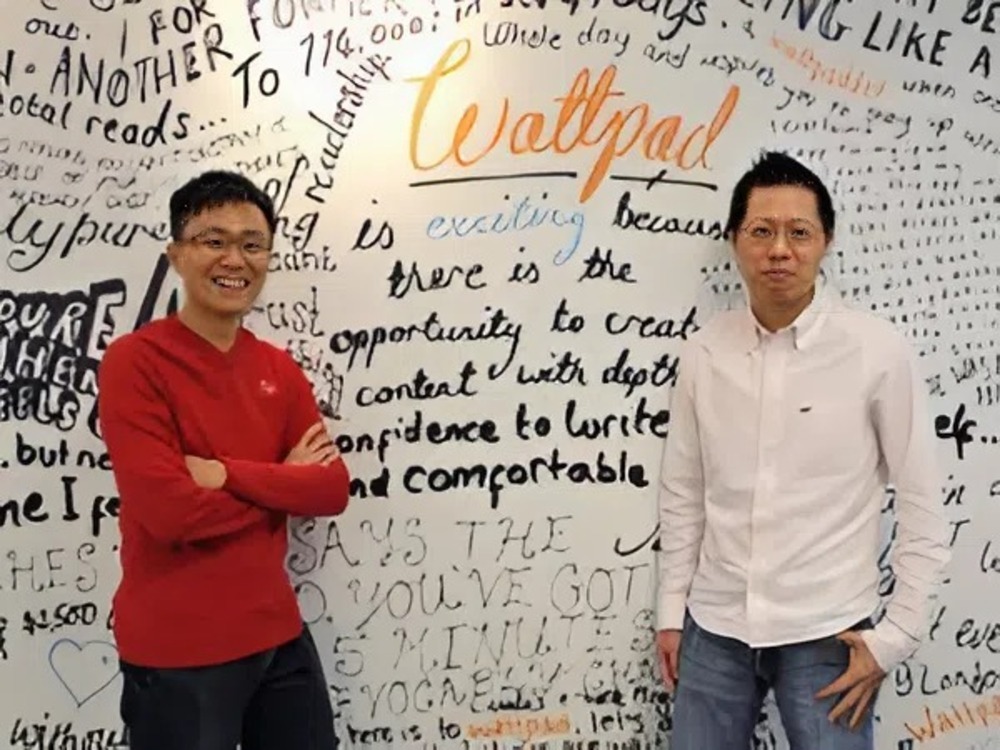
The story of Wattpad actually begins long before the iPhone or Kindle ever hit the shelves. In 2002, friends and colleagues Allen Lau and Ivan Yuen were working at Tira Wireless, a mobile gaming company. Despite his daily tech routine, Allen was haunted by a single question: how could he make reading accessible anytime, anywhere?
In his spare time, he tried to program a reading application for his old Nokia phone. It was a brutal challenge. The screen was so tiny it could only show five lines of text at a time. While most people dismissed the effort as a gimmick, Lau saw the writing on the wall. He was convinced that paper formats would eventually decline, making way for a massive digital shift.
In 2006, Allen Lau and Ivan Yuen officially launched Wattpad. In classic tech startup fashion, they started out in a garage. Their mission was simple yet highly ambitious: build a digital ecosystem where anyone could share their stories and readers could access them entirely for free.
Ahead of Its Time: A Risky Bet on Mobile
When Wattpad went live in November 2006, the playing field was practically empty. The first iPhone wouldn’t launch for another six months, and Amazon’s Kindle was a year away. In essence, Wattpad’s founders were building a platform for devices that mainstream consumers hadn’t even adopted yet.
For the first three years, it was pure bootstrapping. The company survived entirely on the founders’ personal savings without a dime of venture capital. It was a true test of grit. “In 2007, we knew people would eventually read digitally, but exactly how that would play out was still very hazy,” Allen Lau later recalled.
Yet, their “mobile-first” strategy paid off spectacularly. When smartphone fever swept the globe, Wattpad was already perfectly positioned. By 2011, the company hit its first major milestone, crossing one million users. The app had reached 5 million downloads and supported over 1,000 phone models. That was the moment venture capitalists realized Toronto had birthed a tech giant. The startup secured its first major influx of cash—a $3.5 million Series A round led by Union Square Ventures and other funds.
The Golden Era: A Cultural Phenomenon and “Orange Magic”
For teenagers growing up in the 2010s, Wattpad became far more than just a digital library. It was a digital sanctuary—a space for unfiltered self-expression and creative rebellion. The app’s signature orange interface quickly became the ultimate badge of a new internet subculture.
What exactly made Wattpad such a breakout hit?
- Democratizing storytelling. Writers no longer had to pitch relentless query letters to harsh editors. You simply wrote a chapter, hit “publish,” and put your work out into the world.
- Unprecedented interactivity. Readers could comment on individual paragraphs in real-time. Authors received instant feedback, turning the lonely act of writing into a collaborative community project.
- Explosive genre diversity. The platform became an incubator for viral literary trends. Vampire sagas, werewolf romances, and pop-star fanfiction regularly captured millions of dedicated readers.
By 2014, the platform’s metrics were staggering. Over 25 million users were logging a collective 6 billion minutes on Wattpad every single month. That same year, the company closed another $46 million investment round, allowing them to aggressively scale their staff and launch monetization features.
From Fanfiction to Hollywood: Disrupting the Publishing Industry
Perhaps Wattpad’s greatest feat was completely erasing the line between amateur internet writing and mainstream Hollywood entertainment. Legacy publishers and major film studios finally woke up to a simple mathematical truth: if a story gains 100 million reads on Wattpad, it is a built-in bestseller at bookstores and a guaranteed box office hit.
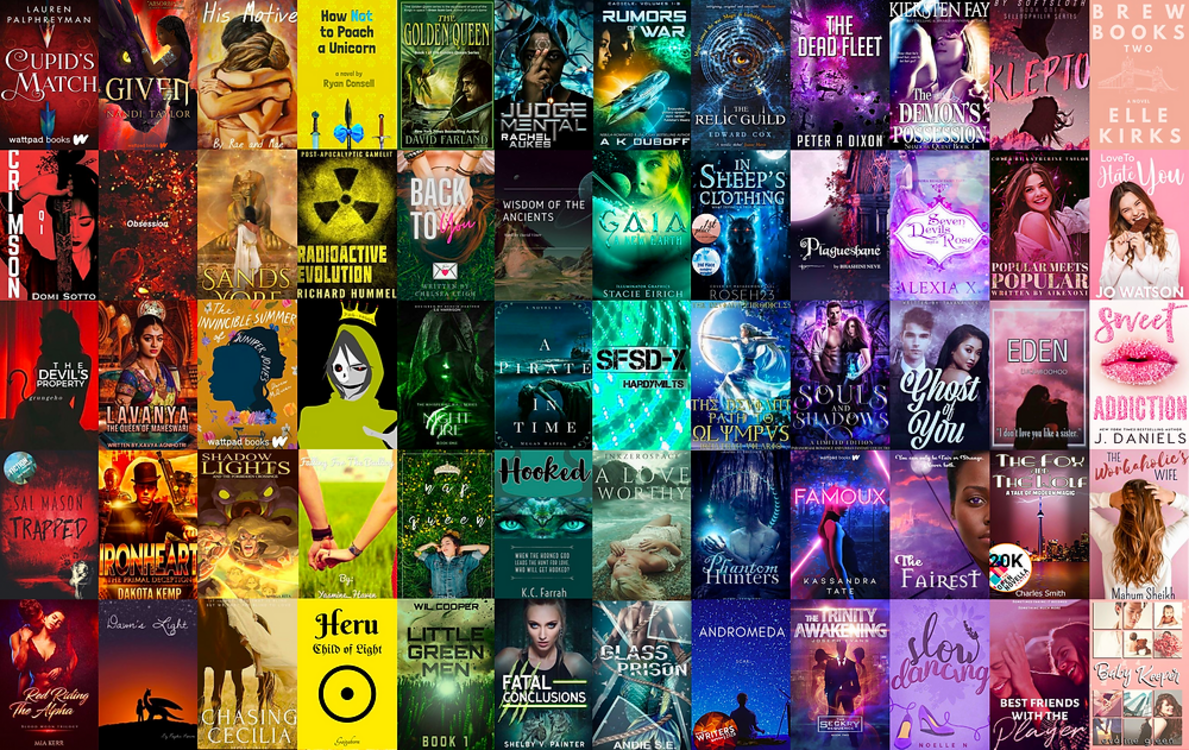
The definitive poster child for this shift is Anna Todd’s “After” series. What started out as a serialized Harry Styles fanfiction racked up over a billion reads on the app. It quickly exploded into a massive multi-book print deal, and Anna Todd’s Wattpad-born novels laid the groundwork for a highly successful global film franchise that captivated millions of viewers.
Other massive entertainment hits followed suit. Netflix’s “The Kissing Booth” and Hulu’s series “Light as a Feather” both began as raw manuscripts uploaded to the platform. Wattpad proved to the world that Gen Z’s creative voice carried serious commercial weight—and that digital reader engagement data was the ultimate crystal ball for predicting the next pop culture phenomenon.
Rooted in Toronto: The Hometown Impact
Despite its skyrocketing global reach, Wattpad never abandoned its roots. Its sleek Toronto headquarters became a magnet for top-tier local tech and creative talent. Allen Lau frequently championed his hometown, stating, “I attribute a lot of our success to building this company in Canada rather than anywhere else.”
Toronto’s famous multicultural identity naturally bled into the platform itself. By supporting dozens of languages, Wattpad easily conquered markets well beyond North America, exploding in popularity across the Philippines, Indonesia, Turkey, and Europe. The company became a shining example that a startup could build a world-changing digital product right in Toronto without fleeing to Silicon Valley.
A New Chapter: The Naver Era and Beyond
In 2021, Wattpad’s blockbuster journey took its biggest turn yet. South Korean internet titan Naver announced it was acquiring the platform in a massive deal valued at over $600 million. This powerhouse merger with Webtoon (the dominant force in digital comics) created an international multimedia giant boasting a combined audience of over 160 million creators and fans.
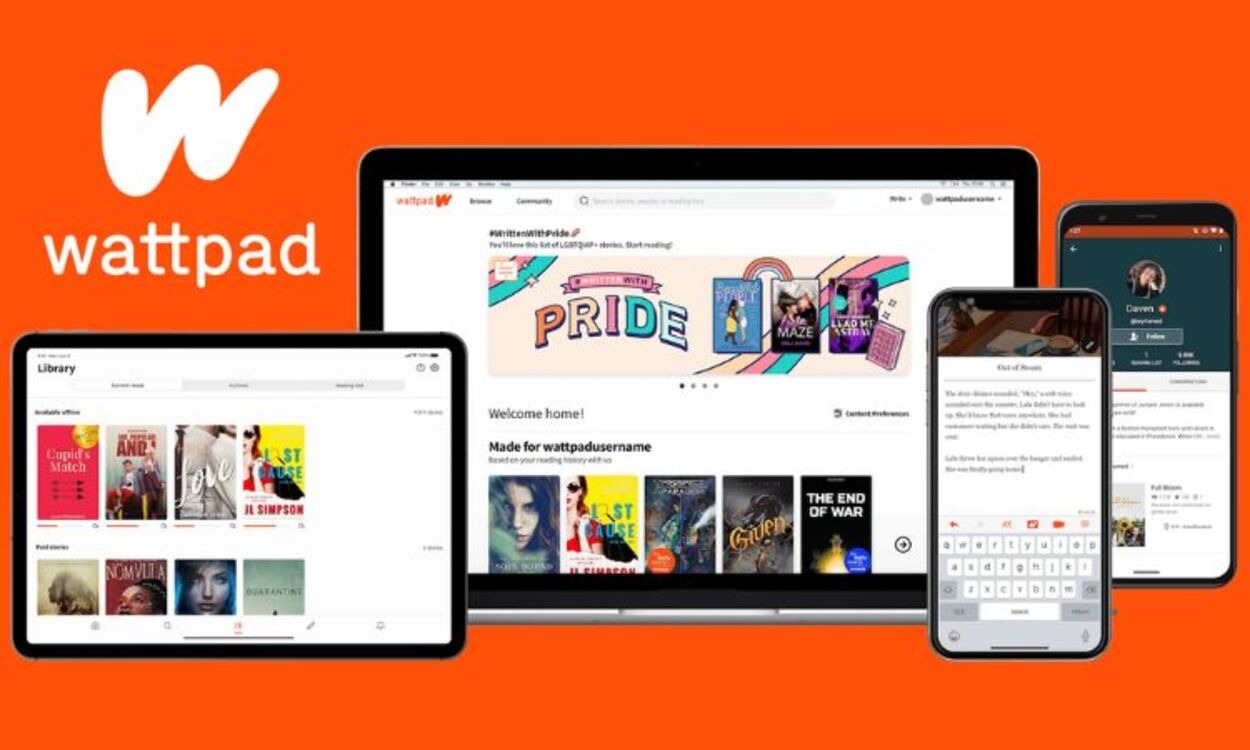
Today, Wattpad has completely outgrown its reputation as a mere hobbyist site. It now operates as a sophisticated entertainment engine, featuring:
- Wattpad Books: A dedicated, in-house publishing arm that brings digital hits to physical bookstores worldwide.
- Wattpad WEBTOON Studios: A major Hollywood player co-producing hit films and television adaptations.
- Advanced Data Analytics: Utilizing artificial intelligence and deep machine learning to analyze text patterns and discover the breakout literary stars of tomorrow.
Legacy and Cultural Impact
Has Wattpad changed over the years? Absolutely. Critics argue the platform has become overly commercialized, that data-driven algorithms now overshadow raw creative sincerity, and that paywalls for premium stories have alienated some of the original user base. Yet, it’s impossible to deny its core legacy: Wattpad gave an entire generation of writers the confidence to share their voices.
It fundamentally proved that you don’t need elite connections in the publishing houses of New York or London to get noticed. All you need is a smartphone, an idea, and the courage to hit “publish.”
For Toronto, Wattpad remains a badge of entrepreneurial pride. It is a striking reminder of how a wild gamble on five lines of text on a clunky Nokia screen grew into a platform hosting over 500 million stories. In the digital age, imagination knows no borders—and the world’s next bestselling novelist might just be sitting on the Toronto subway right now, drafting their next chapter on a phone screen.
FAQ: Quick Takeaways
Is Wattpad still popular today?
Yes, the platform remains highly active with millions of global users. While its peak era of complete internet dominance ran from 2012 to 2018, today it operates with a heavier focus on professionally adapting its massive catalog for print, film, and TV markets.
Can you make money writing on Wattpad?
Yes. Writers can earn revenue directly through programs like Wattpad Stars, the Paid Stories feature, or by landing traditional print deals and film options through the platform’s studio channels.
Who is the primary audience on the platform?
The platform leans heavily toward Gen Z and young millennial demographics, with female-identifying users making up the overwhelming majority of the active user base.
How do you start writing on Wattpad?
All it takes is creating a free account online or through the app. Top-tier creators offer a simple piece of advice to beginners: write consistently, engage with your readers in the comment sections, and don’t be afraid to put out imperfect drafts when you’re first getting started.