

Today, the red, white, and blue patch on the sleeve of a Canada Goose jacket is as recognizable a status symbol as the Apple logo or a Louis Vuitton handbag. You can spot these parkas on Hollywood A-listers, scientists in Antarctica, and thousands of pedestrians strolling down Yonge Street. Yet, few people know that this global giant was born in a modest Toronto warehouse in 1957 and remained an “insider secret” for decades.
Read the story of how three generations of a single family built an empire on uncompromising quality and Canadian identity at toronto1.one.
The 1950s: Humble Beginnings and Entrepreneurial Spirit
The Canada Goose story began in 1957. Sam Tick, an immigrant with a strong entrepreneurial drive, founded a company called Metro Sportswear Ltd. Its first manufacturing facility was set up in a small Toronto warehouse.

Back then, the brand had absolutely nothing to do with high fashion. Metro Sportswear specialized in ultra-practical gear: wool vests, raincoats, and snowmobile suits. This was clothing built for people working in the harsh conditions of the Canadian North—forest rangers, police officers, and municipal workers. Sam Tick laid the brand’s core foundation: a garment must be reliable, or it’s completely useless in the freezing cold.
The 1970s: David Reiss’s Technological Revolution
In the 1970s, Sam Tick’s son-in-law, David Reiss, joined the business. His arrival marked a new era for the company. David wasn’t just a manager; he was an inventor. He developed a volume-based down-filling machine, which made it possible to produce incredibly warm jackets faster and with better quality.

It was during this period that the Snow Goose label was born—the precursor to the brand we know today. The company started landing contracts with government agencies, including the Ontario Provincial Police, the Ministry of the Environment, and the Canadian Rangers. This was an era of rigorous “field testing,” where every seam and thread was subjected to extreme sub-zero temperatures.
The 1980s: The Birth of the Legendary Expedition Parka and Conquering Everest
In the 1980s, the company created its most iconic product: the Expedition Parka. It was designed specifically for scientists stationed at Antarctica’s McMurdo Station. The jacket had to withstand plummeting temperatures of -30°C and below. Because of its bright colour and massive popularity among polar researchers, it earned the nickname “Big Red.” To this day, this model remains the gold standard for Arctic expedition gear.
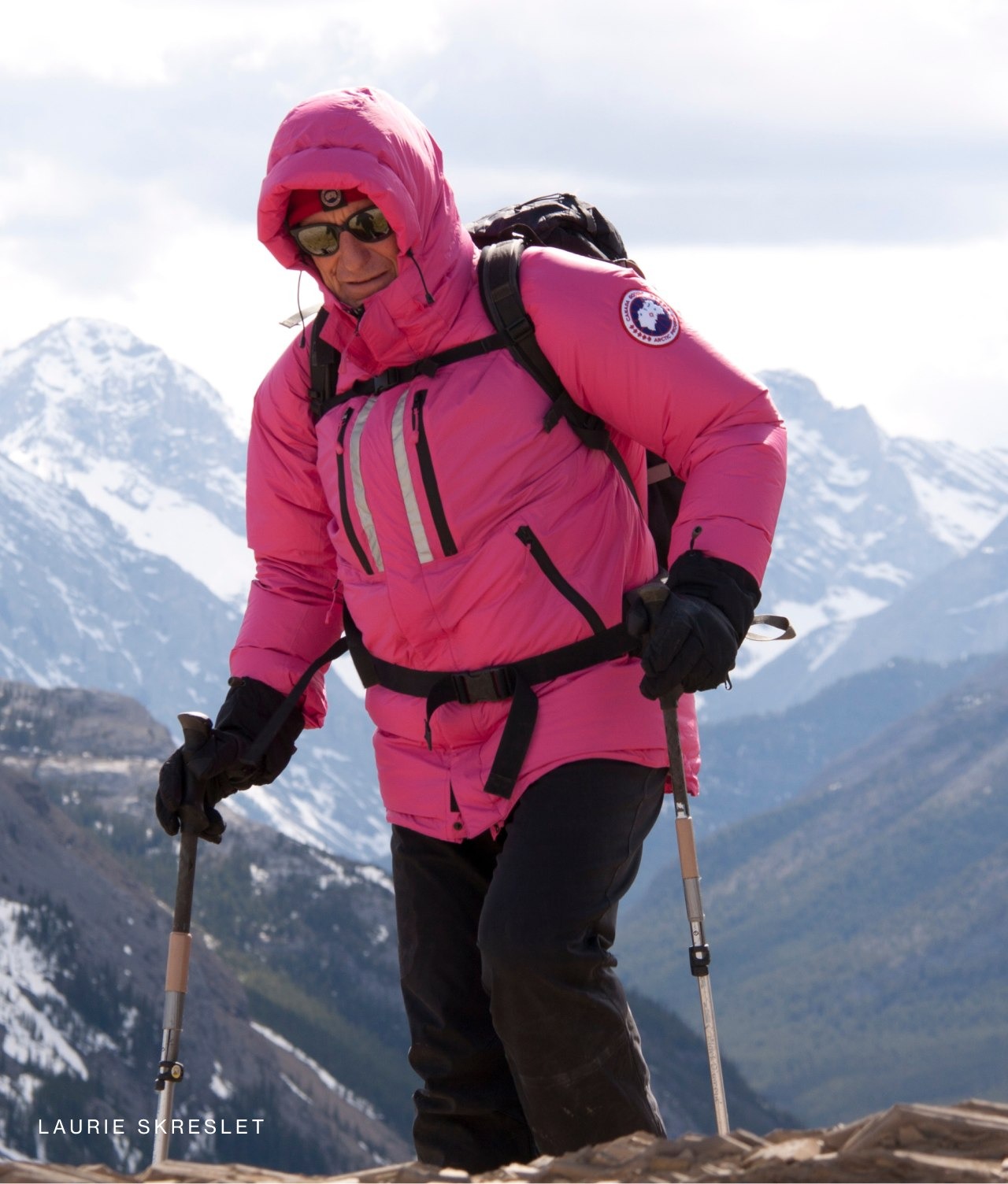
The year 1982 marked another major milestone. Laurie Skreslet became the first Canadian to summit Mount Everest. He wore a custom-made parka designed by Metro Sportswear. Thirty years later, in 2011, the brand re-released this legendary design as the Skreslet Parka, paying homage to a national hero.
The 1990s and the Name Change
In the 1990s, the company aggressively expanded into European markets. But there was a legal hiccup: the name “Snow Goose” had already been registered by another European brand. And so, the name “Canada Goose” was born, eventually becoming the unified global brand.
In 1997, Dani Reiss—David’s son and Sam Tick’s grandson—joined the family business. Little did he know that he was destined to transform this family-run manufacturer into a global fashion icon.

The 2000s: Dani Reiss’s High-Stakes Gamble
In 2001, Dani Reiss became President and CEO. At the time, the company’s annual revenue was only about $3 million. Dani made two strategic decisions that many considered career suicide:
- Produce apparel exclusively under the Canada Goose brand (ditching private-label manufacturing).
- Keep all manufacturing strictly in Canada.
In the early 2000s, most textile giants were offshoring their factories to Asia for cheap labour. Dani Reiss did the exact opposite. He realized that the “Made in Canada” label wasn’t just about patriotism; it was a badge of quality that European and Asian consumers were willing to pay a premium for. “We are like Swiss watches,” he often said. “You wouldn’t want to buy a Swiss watch made in China.”
Film, Celebrities, and Hollywood’s “Unofficial Uniform”
In 2004, the brand made its big-screen debut. Canada Goose parkas appeared in blockbusters like *The Day After Tomorrow* and *National Treasure*. Interestingly, the brand never paid for product placement. Film crews chose these jackets themselves because they were the only things that actually kept actors warm during long hours of shooting in freezing conditions.
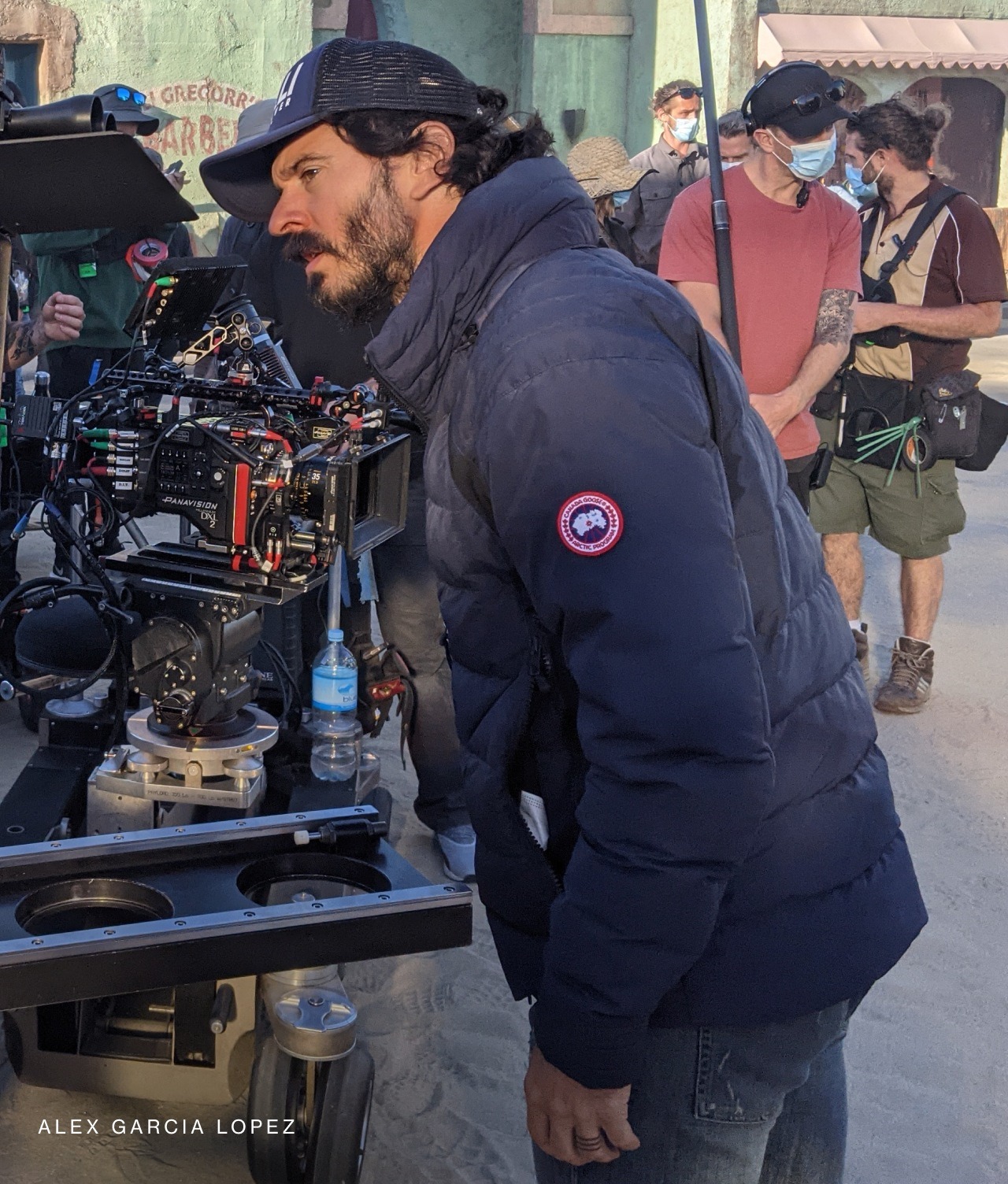
Soon enough, Canada Goose became the “official jacket of film sets.” From directors to lighting technicians, everyone was wearing these parkas. Before long, celebrities were spotted wearing them in their everyday lives, instantly catapulting the brand from “workwear” to “luxury.”
Social Responsibility and Environmental Conservation
Canada Goose has deep ties to the Arctic, making environmental initiatives a core part of its DNA.
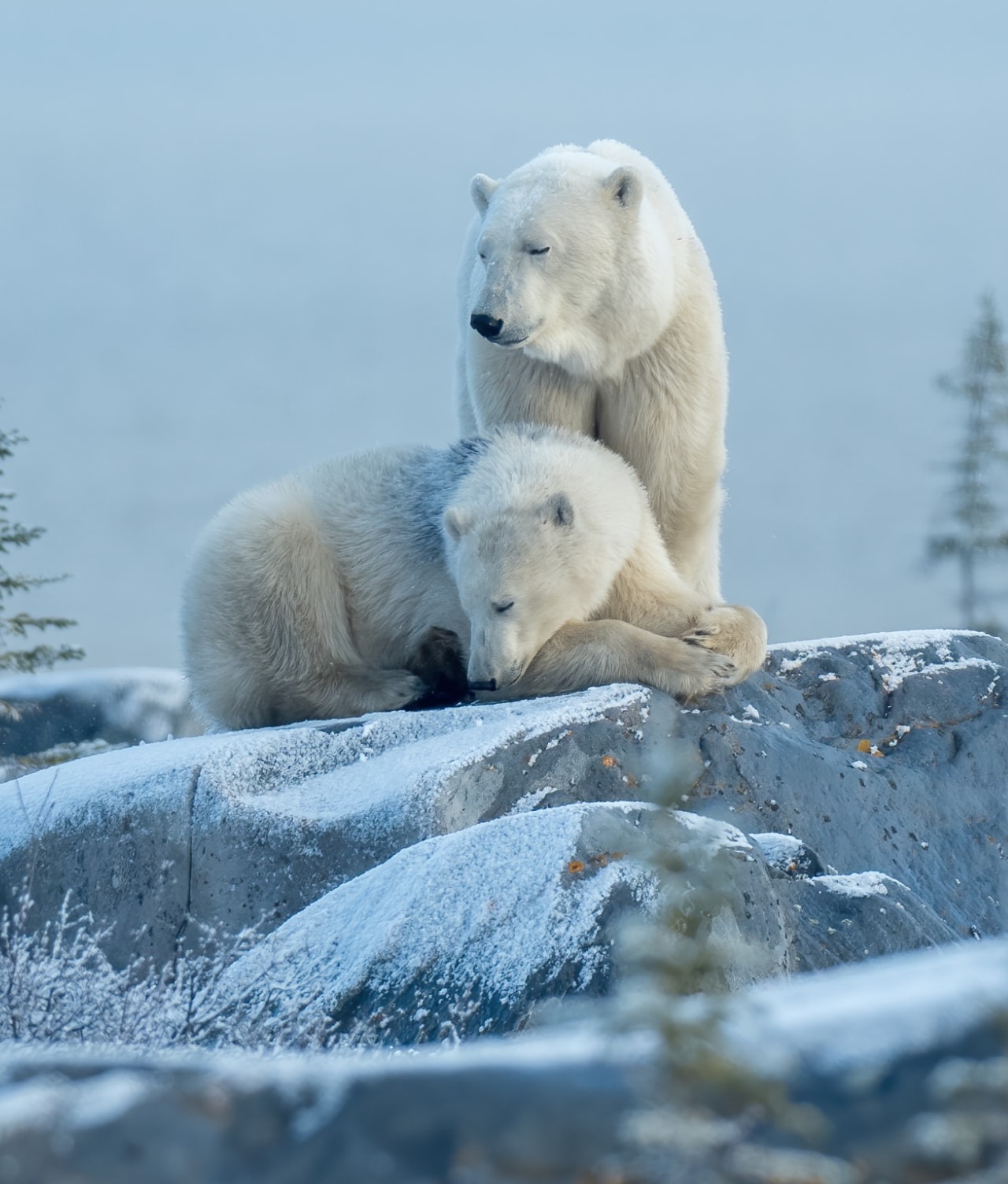
- Polar Bears International (PBI). In 2007, the brand partnered with this polar bear conservation organization. A portion of the proceeds from their signature PBI Blue collection goes directly toward research and protecting these majestic animals.
- Inuit Resource Centres. Since 2009, the company has been providing free fabrics and materials to communities in the Canadian North. This allows local artisans to keep their traditional sewing practices alive using modern, high-quality materials.
- Project Atigi. A social entrepreneurship program that collaborates with Inuit designers to create bespoke collections, highlighting the rich cultural heritage of the region.

The 2010s: Going Public and Global Expansion
The 2010s was a decade of explosive growth.
- 2014: Launched its own e-commerce platform (previously, sales were strictly through wholesale distributors).
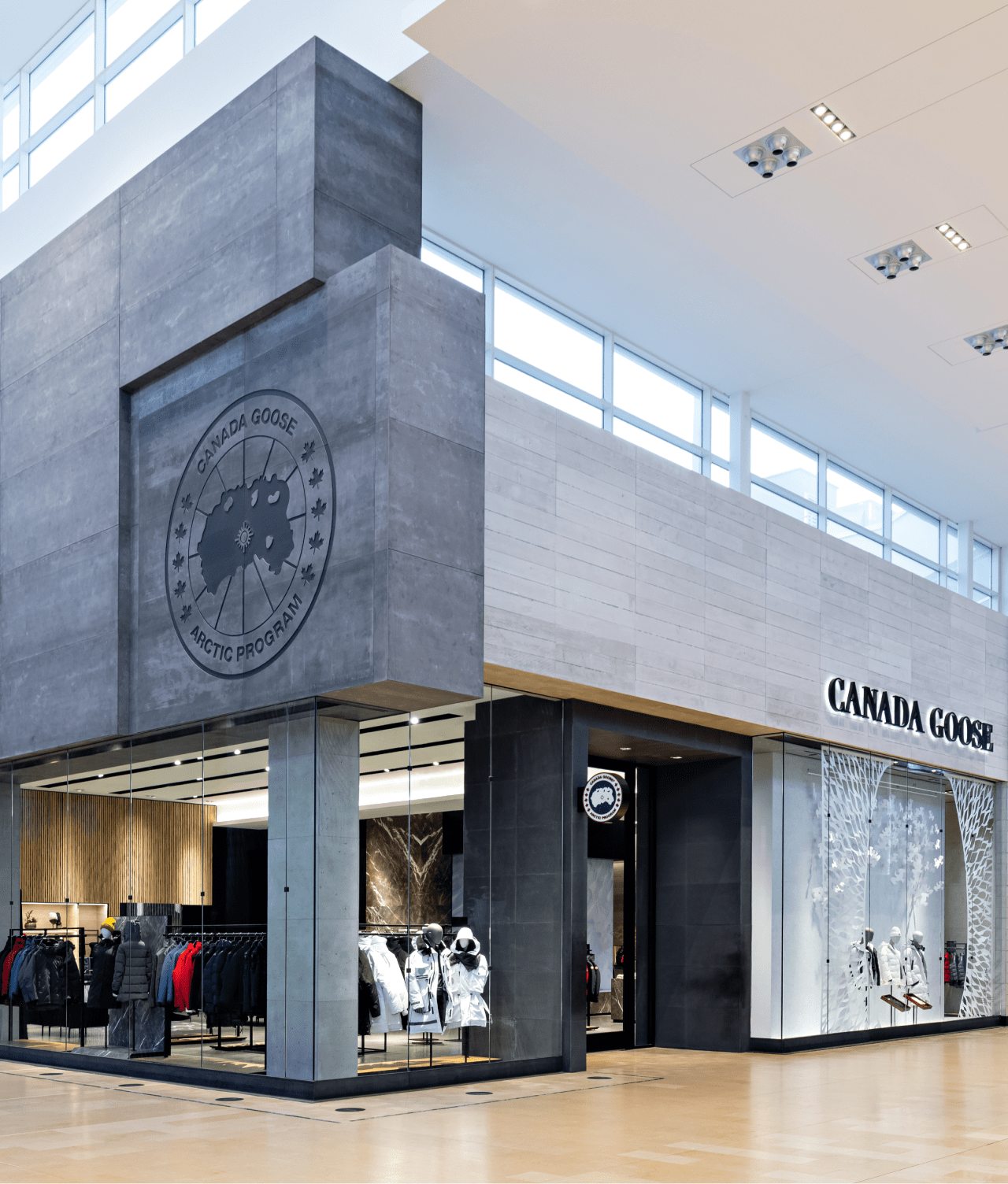
- 2016: Opened the first flagship retail stores in Toronto (Yorkdale Shopping Centre) and New York City.
- 2017: Canada Goose goes public, listing on both the Toronto Stock Exchange (TSX) and the New York Stock Exchange (NYSE). The brand’s market cap skyrocketed into the billions.
In 2019, a unique concept store called “The Journey” opened in Toronto at CF Sherway Gardens. Its main attraction is the “Cold Room,” where shoppers can literally test-drive their jackets at -25°C, surrounded by real snow and ice sculptures.
A New Era: Sustainability and Going Fur-Free
As the world changes, so does Canada Goose. In 2020, the company announced its purpose-driven sustainability platform, HUMANATURE.
The most talked-about decision was the phase-out of natural coyote fur. The brand stopped purchasing new fur in 2021 and completely ended the production of fur-trimmed garments by the end of 2022. It was a tough pivot for a brand with such a deeply rooted history, but a necessary one to align with modern ethical standards.
That same year, the company expanded its product line by launching its first-ever comprehensive footwear collection, featuring the highly technical Snow Mantra boots.
Canada Goose Today: More Than Just a Jacket
Today, Canada Goose operates seven manufacturing facilities across Canada, making it the country’s largest apparel employer. In 2023, the brand launched Generations, a recommerce platform that allows customers to trade in their pre-loved jackets to be refreshed and resold. This highlights the sheer durability of their products: a Canada Goose parka can last for decades, getting passed down from owner to owner.
What started in a tiny Toronto warehouse has transformed into a global behemoth pulling in over $1 billion in revenue. Yet, despite its worldwide fame, the heart and headquarters of the brand remain firmly rooted in Toronto.
Why is Canada Goose So Expensive?
A parka can easily set you back over $1,500. Here’s the business logic behind the hefty price tag:
- Domestic Manufacturing. The cost of labour in Toronto and across Canada is significantly higher than in countries like China or Vietnam.
- Premium Materials. The use of high-quality goose down and (historically) natural fur—though recently, the company has pivoted to ethical alternatives and reclaimed materials.
- Scarcity. The brand intentionally avoids oversaturating the market. You will never see an authentic Canada Goose jacket heavily discounted in a clearance sale. This strategy maintains the high value of the garments, even on the resale market.
Fun Facts:
- Why Coyote? Originally, coyote fur was used for the hood ruffs because it never freezes, doesn’t hold water, and creates a thermal micro-climate around the face, protecting against frostbite.
- Thermal Experience Index (TEI). The company developed its own 5-point warmth scale so customers can choose a jacket tailored to their needs—from lightweight city strolls (TEI 1) to intense Arctic expeditions (TEI 5).
- Fighting the Fakes. Due to its massive popularity, the brand is frequently counterfeited. Since 2011, every authentic jacket features a complex, nearly impossible-to-replicate hologram of a polar bear.