

Modern Toronto is a bustling metropolis of skyscrapers, innovation, and non-stop movement. It is hard to imagine that horse-drawn carriages once roamed its streets and the night sky was lit by the flickering glow of gas lamps. Technological progress and social shifts have not only transformed the urban landscape but also permanently erased entire professions that were once an integral part of daily life.
Let’s dive into the past with toronto1.one and remember the people whose work once shaped the rhythm and character of Toronto—jobs that today exist only in faded photographs and historical archives.
The Lamplighter
Picture Toronto in the late 19th century. The streets are illuminated by gas or oil lamps. As dusk settled over the city, a figure would appear whose duty was vital for safety and navigation: the lamplighter.
Lamplighters were among Toronto’s first “night workers.” Their job was routine but demanded extreme punctuality. They followed a strict schedule, climbing ladders to light the wick of every gas or oil lamp on their route—often numbering in the hundreds. At dawn, they returned to extinguish them. It was a hazardous occupation involving heights, open flames, and often brutal weather.
Why it disappeared:
The advent of electric lighting, specifically arc lamps and later more reliable streetlights, rendered the profession obsolete by the early 20th century. Automated ignition and the transition to electricity removed the need for a human touch.
The Ice Man
Before electric refrigerators, cold storage was a luxury that had to be delivered. Imagine a sweltering July morning in 1920s Toronto. A horse-drawn wagon moves slowly down the street, trailing a refreshing chill. This was the work of the ice man—the person responsible for providing citizens with “portable cold.”
The trade functioned in two stages. First, during the winter, workers harvested massive blocks of ice from frozen lakes or rivers, wrapped them in sawdust, and stored them in large icehouses. In the summer, delivery men drove horse-drawn wagons (later trucks) through the neighborhoods. Homeowners would place a card in their window indicating the weight of ice needed—typically 25 or 50 pounds. It was heavy, cold work that required significant physical strength.
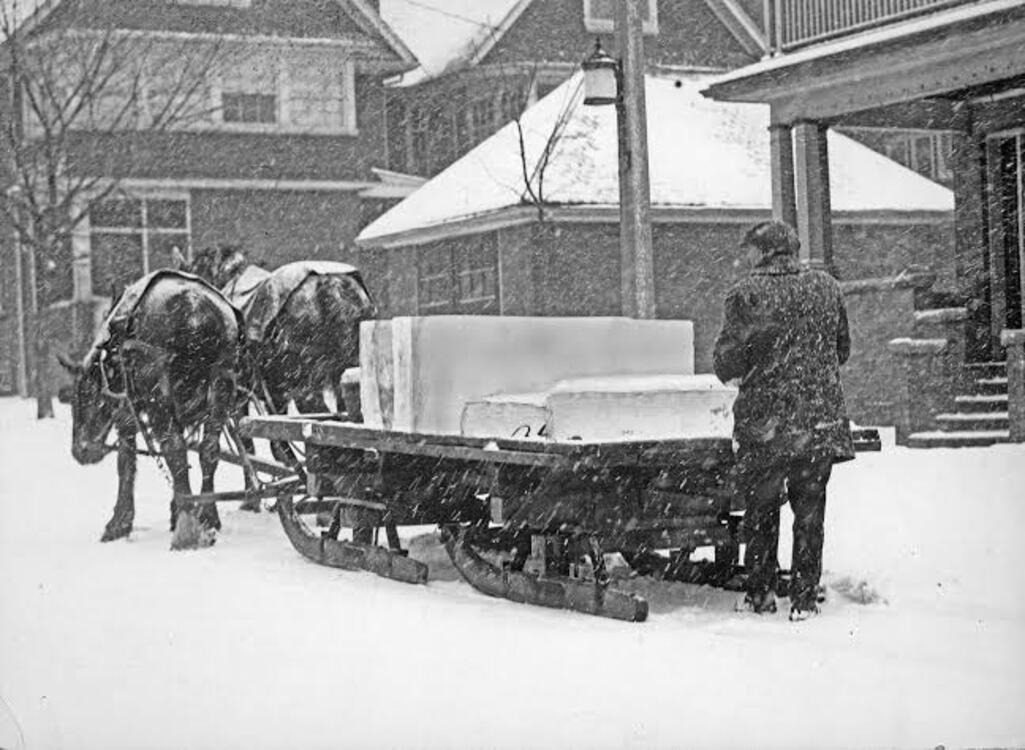
The ice man was a daily fixture in local households. Armed with a heavy canvas apron and sharp tongs, he would replace the melted block in the top compartment of a large wooden icebox. For children who chased the wagon to scavenge ice chips, he was a true hero of the summer heat.
Why it disappeared:
The mass adoption of domestic electric refrigerators, particularly after World War II, made the ice man’s services unnecessary.
The Milkman
Every morning, before the city stirred, the sound of clopping hooves and clinking glass bottles echoed through Toronto’s streets. The milkman, in his wagon (and later a specialized van), delivered fresh milk, cream, and butter directly to doorsteps. Products were left in insulated “milk boxes” on the porch. This wasn’t just delivery; it was a personal service. The milkman knew his customers and their orders, and would often exchange handwritten notes. Large dairy companies, such as Silverwood’s Dairy, were a common sight across the city.
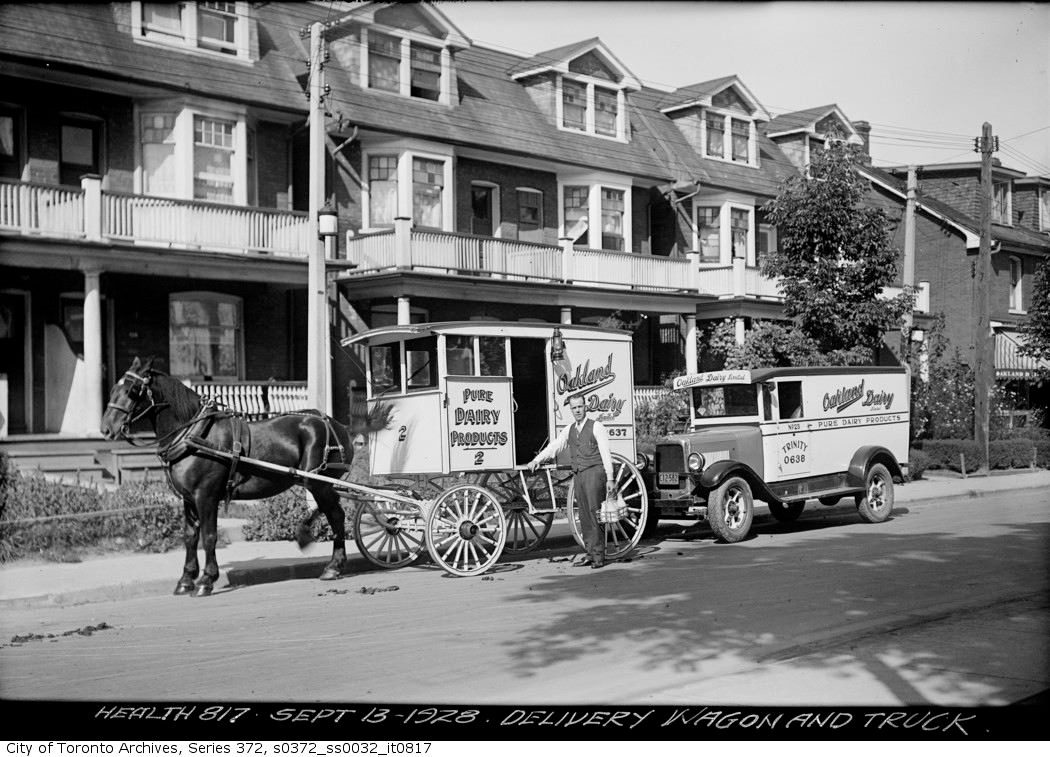
Why it disappeared:
The shift to cardboard cartons, the rise of 24-hour supermarkets, and changing consumer habits led to its decline. While niche delivery services exist today, the era of mass daily milk delivery in glass bottles is long gone.
The Telegrapher
Before the telephone took over, the telegraph was the “internet” of the 19th century—the fastest way to send information over long distances.
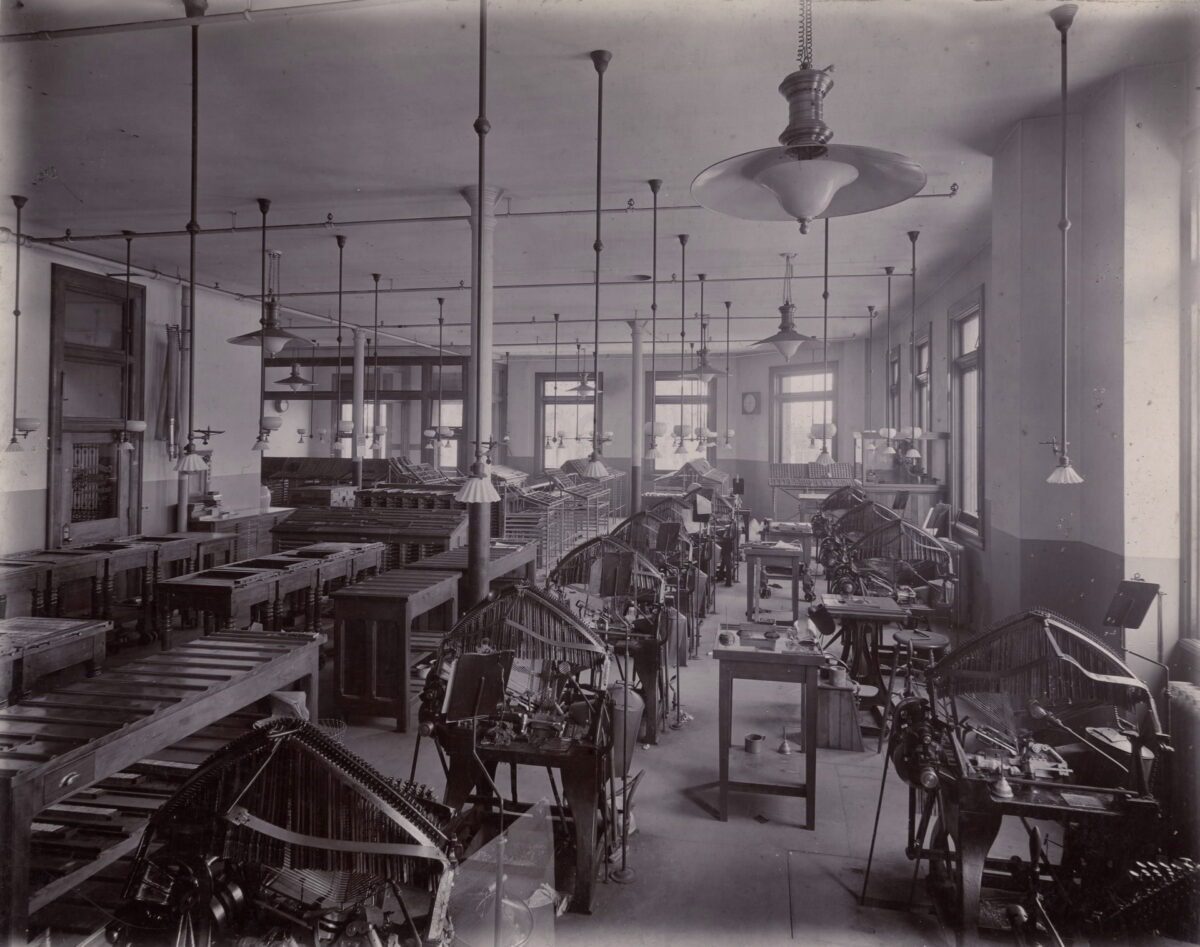
Using Morse code, telegraphers translated messages into a series of dots and dashes transmitted via electric pulses over wires. Railway stations, post offices, and corporate headquarters in Toronto all employed their own telegraphers. They handled everything from urgent business news to personal telegrams. It was a high-skill job requiring fluency in the code, immense attention to detail, and the ability to type rapidly.
Why it disappeared:
The invention of the telephone, and later faxes and email, made Morse code too slow and labor-intensive for everyday communication.
The Switchboard Operator
“Number, please?” This phrase was heard daily by thousands of Torontonians looking to make a phone call. Early telephone networks were not automated. To call a neighbor or business partner, a subscriber had to lift the receiver and ask an operator to manually “patch” them through.
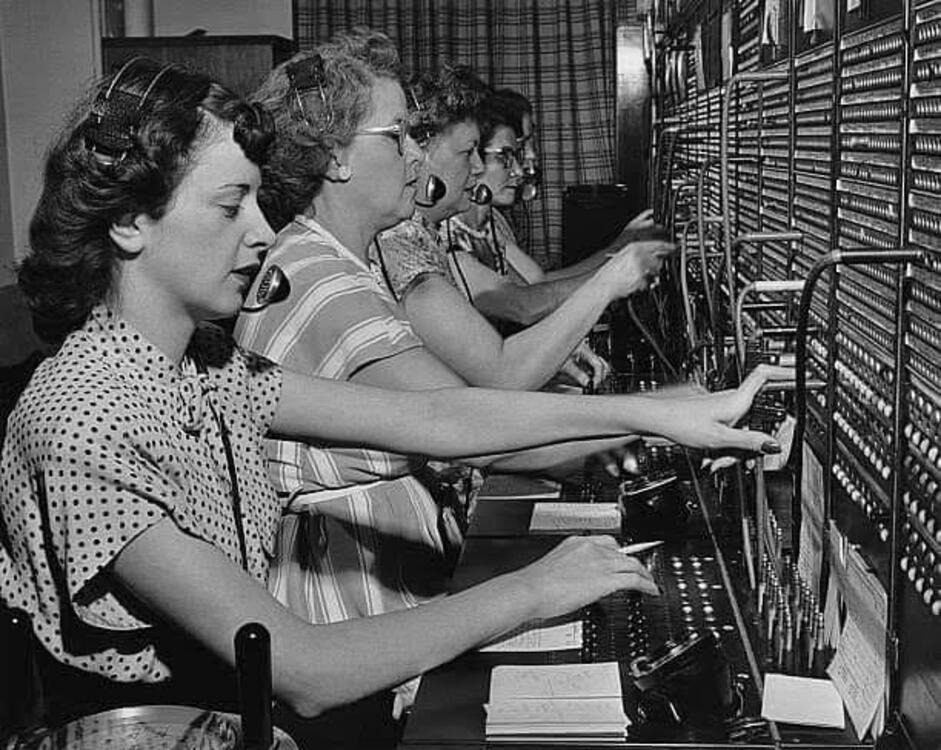
This was intense work requiring concentration, a good memory, politeness, and a clear speaking voice. Operators were often a source of local news and served as a human directory service. Sitting before massive switchboards, they plugged and unplugged cords to connect lines. Bell Canada’s exchanges in Toronto were among the largest employers of women in the early 20th century.
Why it disappeared:
The automation of telephone switching systems in the 1920s and 1930s allowed users to dial numbers directly, phasing out the need for manual intervention.
The Streetcar Conductor
Today, Toronto’s streetcars are operated by a single driver. However, the crew used to consist of two people: the motorman, who drove the vehicle, and the conductor. The conductor stood at the rear of the car and performed various tasks: collecting fares, issuing tickets and change from a belt-mounted dispenser, ensuring safety, announcing stops, and assisting passengers with luggage. This system allowed for faster boarding and let the driver focus entirely on the tracks. The conductor was a prominent public figure who interacted with thousands of citizens daily.
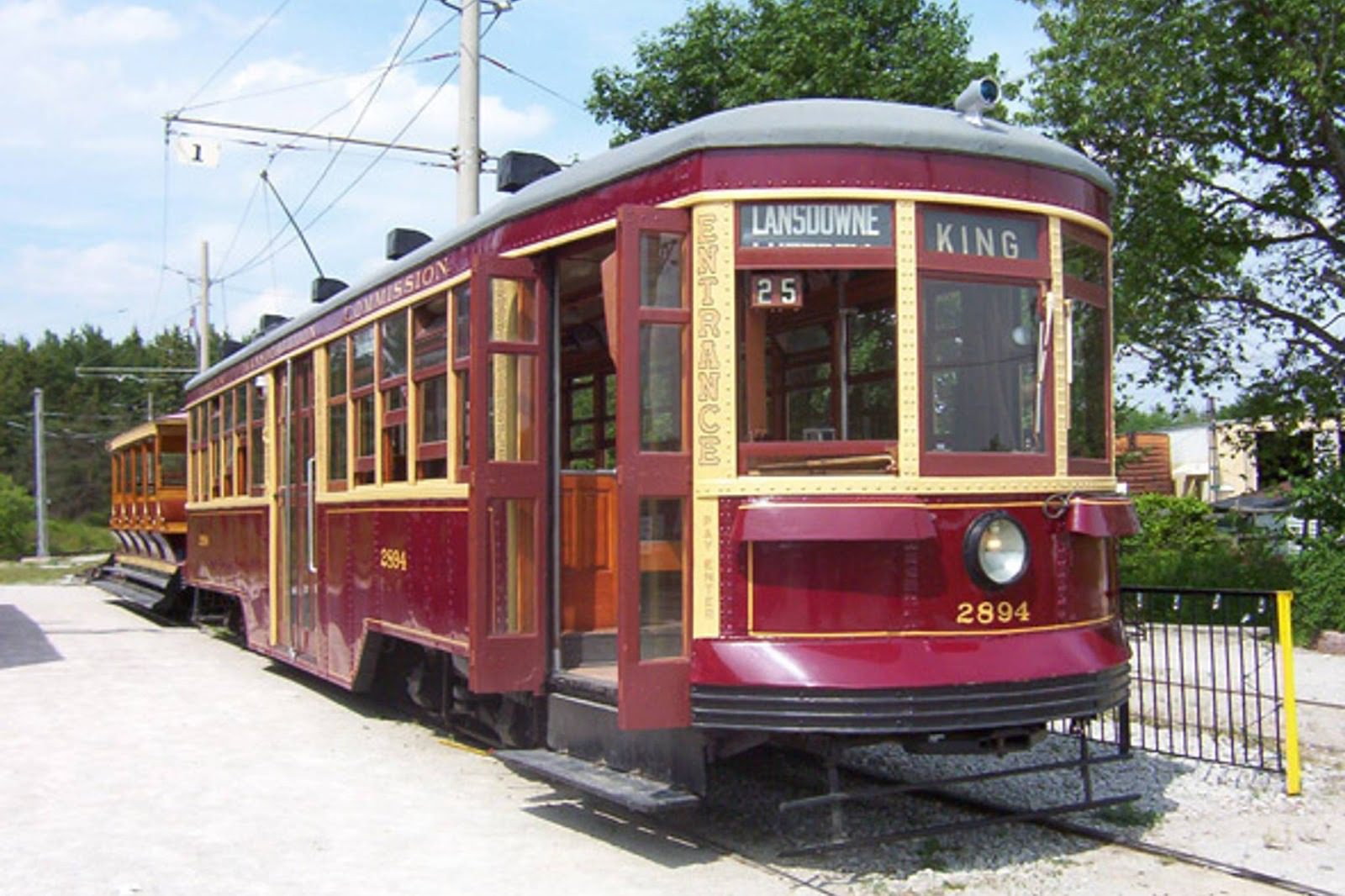
Why it disappeared:
The evolution of fare collection. The move to “pay-as-you-enter” systems (where drivers collected money or tokens) and later electronic cards like Presto eliminated the need for a second crew member.
The Bowling Pinsetter
Bowling has been a popular pastime in Toronto for decades. But before the invention of automatic pinsetting machines, this grueling and often dangerous job was done by teenagers. After every frame, “pin boys” would jump into the pit, quickly clear fallen pins, reset them, and roll the ball back to the player. It was loud, low-paying, and hazardous work—balls and pins flew at high speeds—but for many young boys, it was the only way to earn pocket money.
Why it disappeared:
The invention and commercialization of automatic pinsetters in the 1940s and 1950s completely removed the need for manual labor on the lanes.
The Elevator Operator
In the first half of the 20th century, as Toronto’s skyline began to rise, elevators were a luxury that required an attendant. They were found in grand hotels like the Royal York, major department stores like Eaton’s and Simpson’s, and the city’s early office towers. These were complex machines operated manually with a lever. The operator, typically in a sharp uniform and white gloves, did more than just transport people. They smoothly started and stopped the cab, precisely aligned it with the floor, and announced the departments or tenants found on each level. The profession was a symbol of luxury and first-class service.
Why it disappeared:
The introduction of automated elevators, which became so reliable and simple to use that they no longer required constant supervision.
A Vanishing Legacy
These professions are just the tip of the iceberg. There were also chimney sweeps, wandering knife grinders, and cinema projectionists. Each disappeared not because people stopped working hard, but because the world around them changed. Their stories serve as a reminder that no job is permanent, and the city we know today stands on the shoulders of generations whose skills and daily labor have become a part of history.