

Toronto is home to many higher education institutions that provide quality education, one of which is Toronto Metropolitan University. Rooted in a tradition of innovation and career-focused education, the university addresses the needs of modern society. Toronto Metropolitan University is among the first institutions to combine technical education with academic theory. Learn more about its foundation and development below at toronto1.one.
The Founding of the University
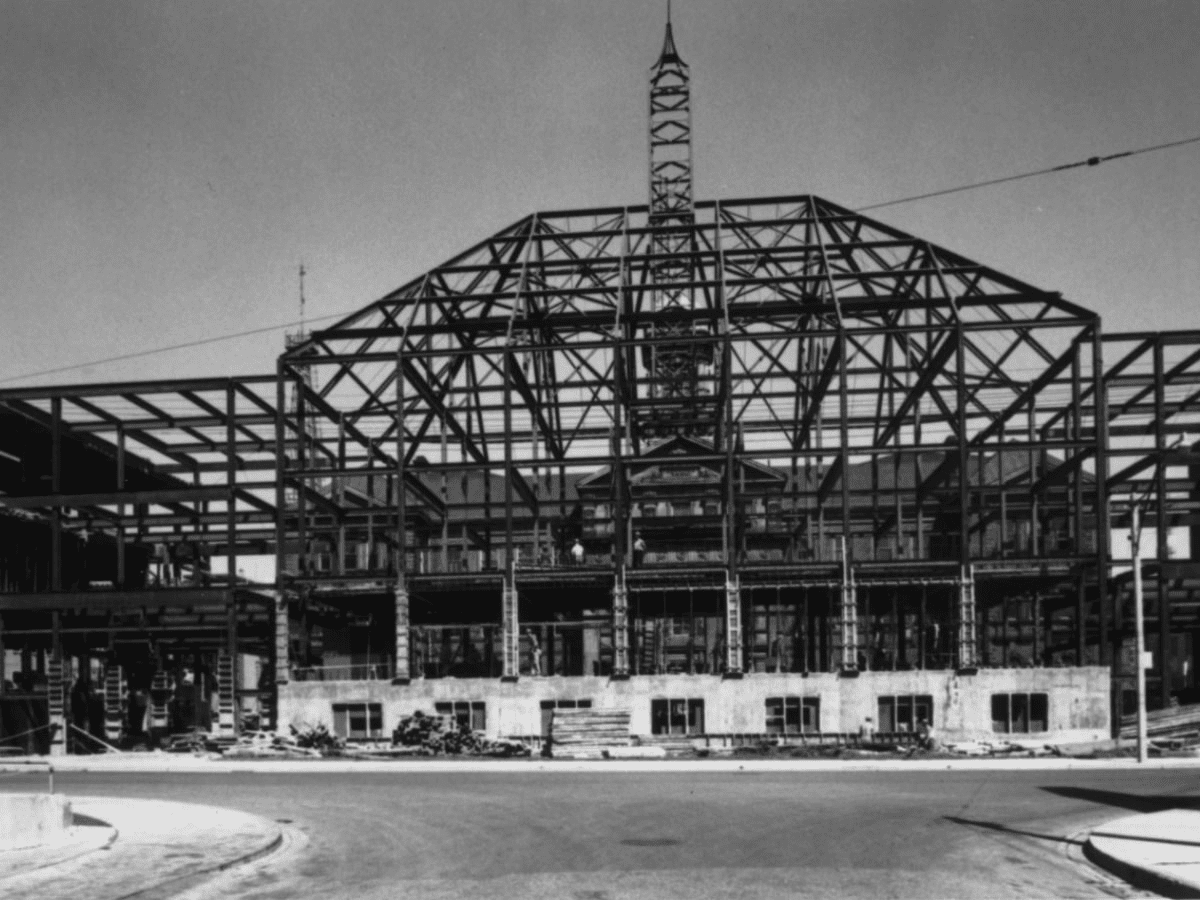
The story begins in 1948 with the establishment of the Ryerson Institute of Technology, created to address a growing demand for skilled professionals. The site chosen for the university had previously housed Ontario’s teacher training college, known as the Normal School.
Upon its opening, the university welcomed approximately 250 students. It offered both theoretical and practical training in fields such as architecture, design, and photography. The same year, the student newspaper The Ryersonian was launched, providing insights into student life and covering various competitions and events.
The institution quickly gained momentum, and in 1963, the term “Polytechnic” was added to its name to reflect its expanding range of programs.
Rapid Growth and Evolution

In 1971, Ryerson Polytechnic Institute—now Toronto Metropolitan University—gained the authority to grant academic degrees. The institution entered a phase of rapid growth in 1979, with annual enrollments surpassing 10,000 students. It introduced innovative initiatives, including radio-broadcasted courses.
Throughout its history, the university has demonstrated a commitment to advancing research and academic excellence. In 1993, it was officially recognized as a university. Subsequent years saw the introduction of graduate and doctoral programs, as well as the establishment of the G. Raymond Chang School of Continuing Education.
In 2002, the institution shortened its name to Ryerson University, reflecting its expanding academic profile.
Significant Achievements
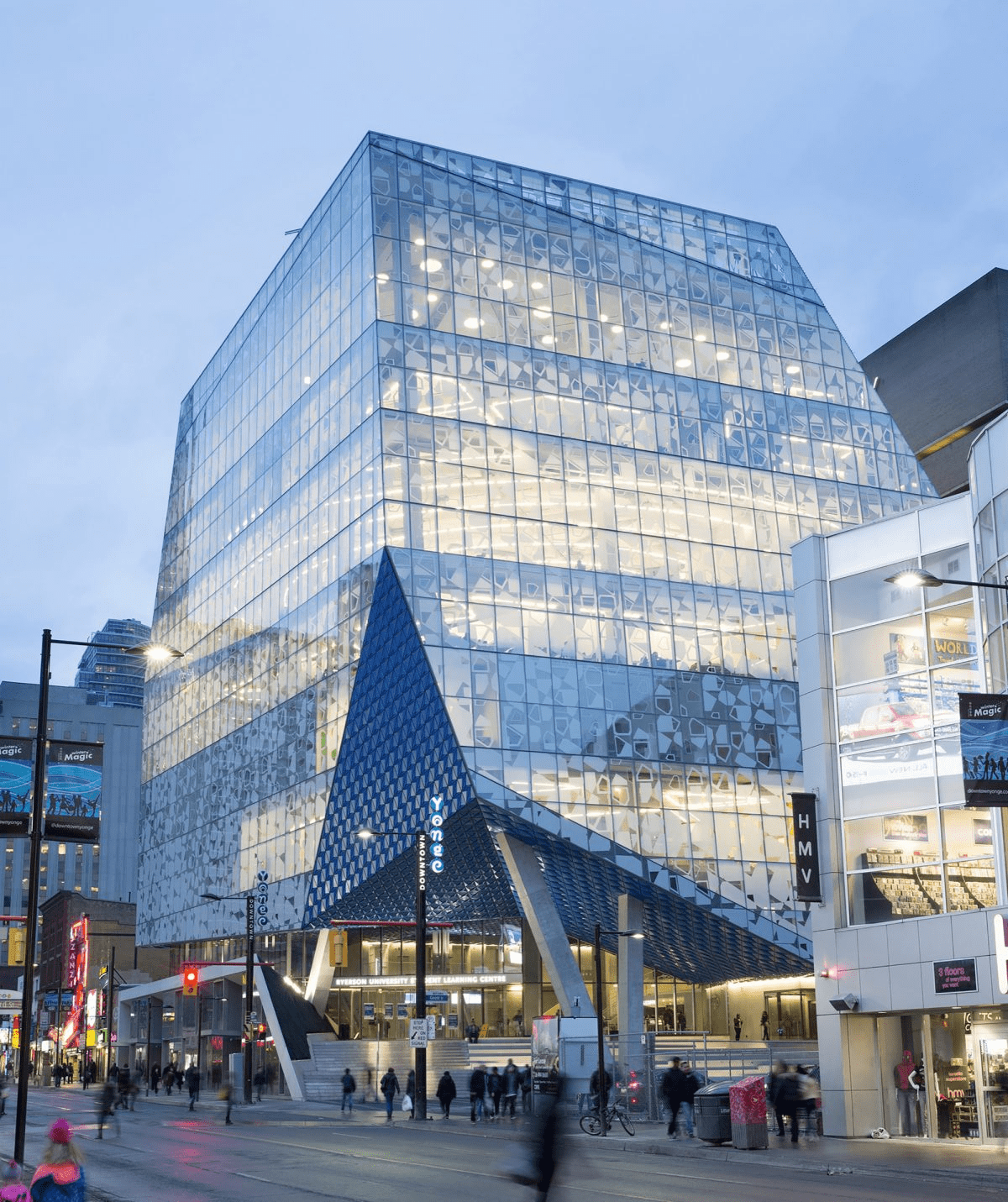
Today, Toronto Metropolitan University is a leader in research and innovation. It has consistently ranked first in Canada for growth in research income and third for research intensity among the country’s top 50 universities, as per Research Infosource.
Over the past decade, the university has launched numerous research centers and introduced the Zone Learning program, catering to students and professionals interested in entrepreneurship.
Its prime location in downtown Toronto has enabled strategic partnerships with local businesses. A significant milestone was the construction of four buildings for the Mattamy Athletic Centre in the historic Maple Leaf Gardens.
Currently, Toronto Metropolitan University is a coeducational institution. From 2019 to 2020, it enrolled approximately 44,400 students.
The university’s athletics department supports multiple varsity teams under the name TMU Bold, which compete in the Ontario University Athletics (OUA) conference, part of U Sports.
The university operates over 40 buildings, with a total area of 370,000 square meters as of 2019. Funded by the government, Toronto Metropolitan University is governed by a bicameral system comprising a board of governors and a senate.
Sources: