

Have you ever wondered how women pursue spiritual education in a modern city? What does that space even look like? A seminary or a theological college? And are its doors truly open to women? In Toronto—a city where cultures, languages, and religions intersect—women’s spiritual education has a unique history and takes on surprising forms. In this article, we’ll explore just that. Read on at toronto1.one.
Historical Beginnings
When discussing the origins of women’s spiritual education in Toronto, it’s impossible to overlook Ewart College. Its story began back in 1897, a time when society had a very different view of a woman’s role—in the church, in education, and in public life. Despite this, a group of forward-thinking ministers in the Presbyterian Church in Canada decided that women also had the right to study theology and participate in church life. From the outset, the college had a clear mission: to prepare women for missionary service. This wasn’t just about living a life connected to the church; it was about active work in distant lands, in impoverished communities, and under difficult conditions where a woman needed to be strong, prepared, and spiritually mature. That’s why the training at Ewart was remarkably rigorous, covering biblical studies, theology, church history, and practical preparation for ministry. And its graduates weren’t sitting on the sidelines—they went where they were truly needed.
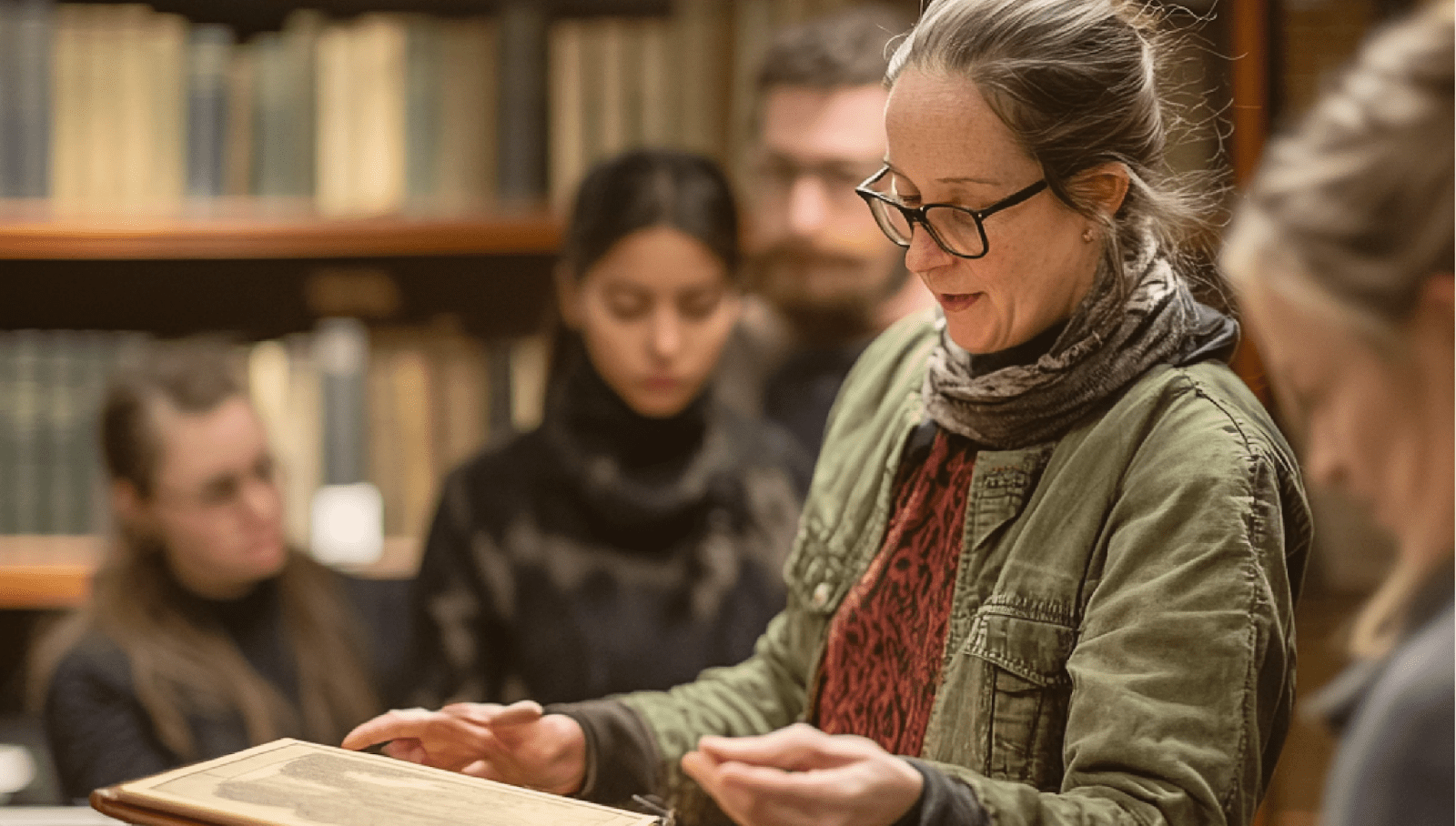
Over time, things began to change. By the 1960s, faculty and church leaders were no longer focused solely on preparing women for overseas missionary work. The emphasis shifted to community ministry, social leadership, and spiritual support—not just abroad, but right here in Canada. During this period, programs emerged to train deaconesses, spiritual directors, and women who wanted to serve in meaningful, influential roles within the church. These were no longer just “helpers”—they were women with knowledge, experience, and a clear inner calling.
In 1991, Ewart College merged with Knox College, one of Toronto’s leading Presbyterian theological institutions and a member of the Toronto School of Theology. At first glance, it might seem like Ewart disappeared, but that’s not the whole story. Its traditions, mission, and special focus on women were preserved within a new space: the Ewart Centre for Lay Education. Today, it educates both women and men who aspire to serve the community without necessarily becoming ordained ministers. But the founding idea—to support a woman’s spiritual development and give her a voice in the church—still lives on. And that is what matters most.
Institutional Theological Education
In the heart of Toronto, right next to a university campus, lies an educational hub that few outside of religious or academic circles know about: the Toronto School of Theology, or simply TST. It’s not a single school, as the name might suggest, but a whole network of seminaries from various Christian denominations. They have united with a common goal: to provide a deep theological education for those who want to serve, research, teach, or simply understand spirituality better. And importantly, it is a space where women not only study but also hold leadership positions.
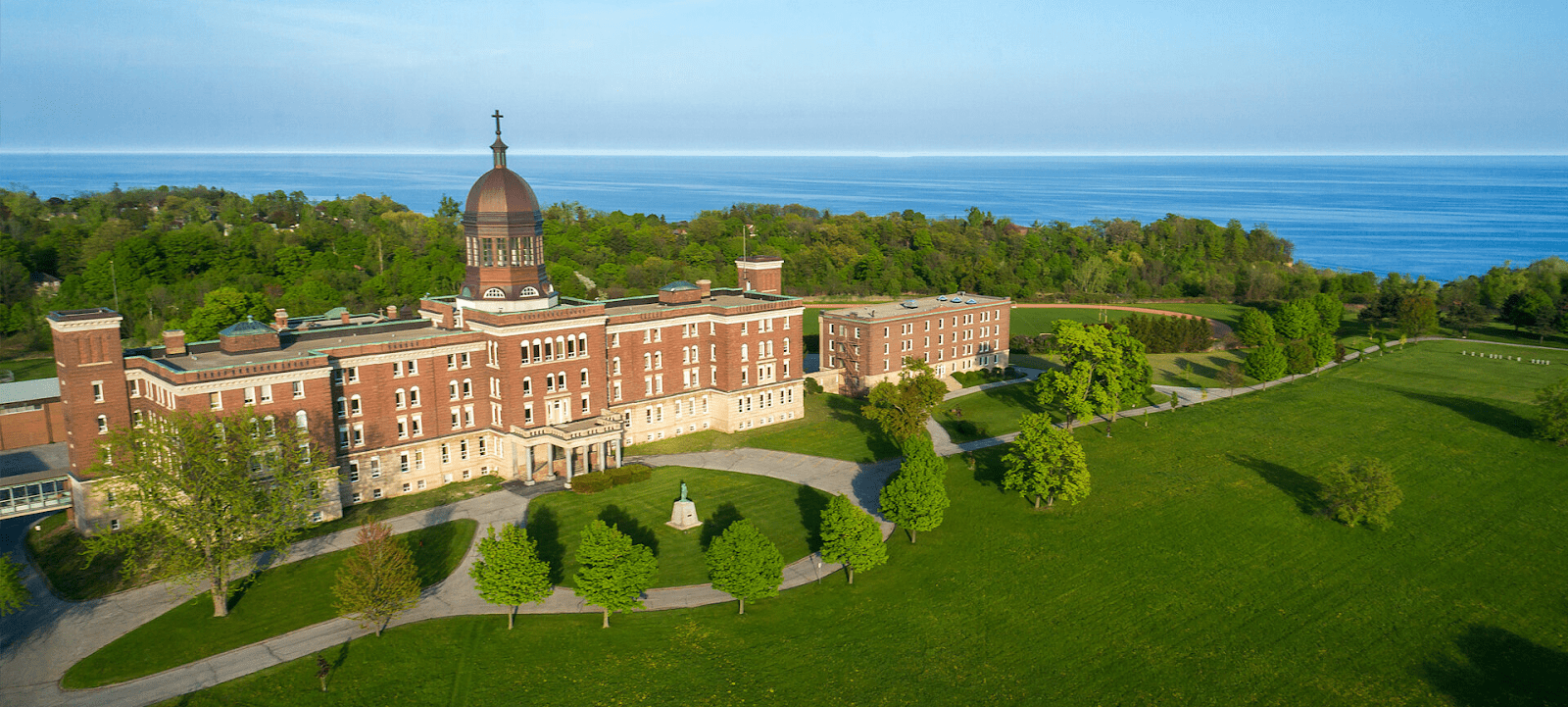
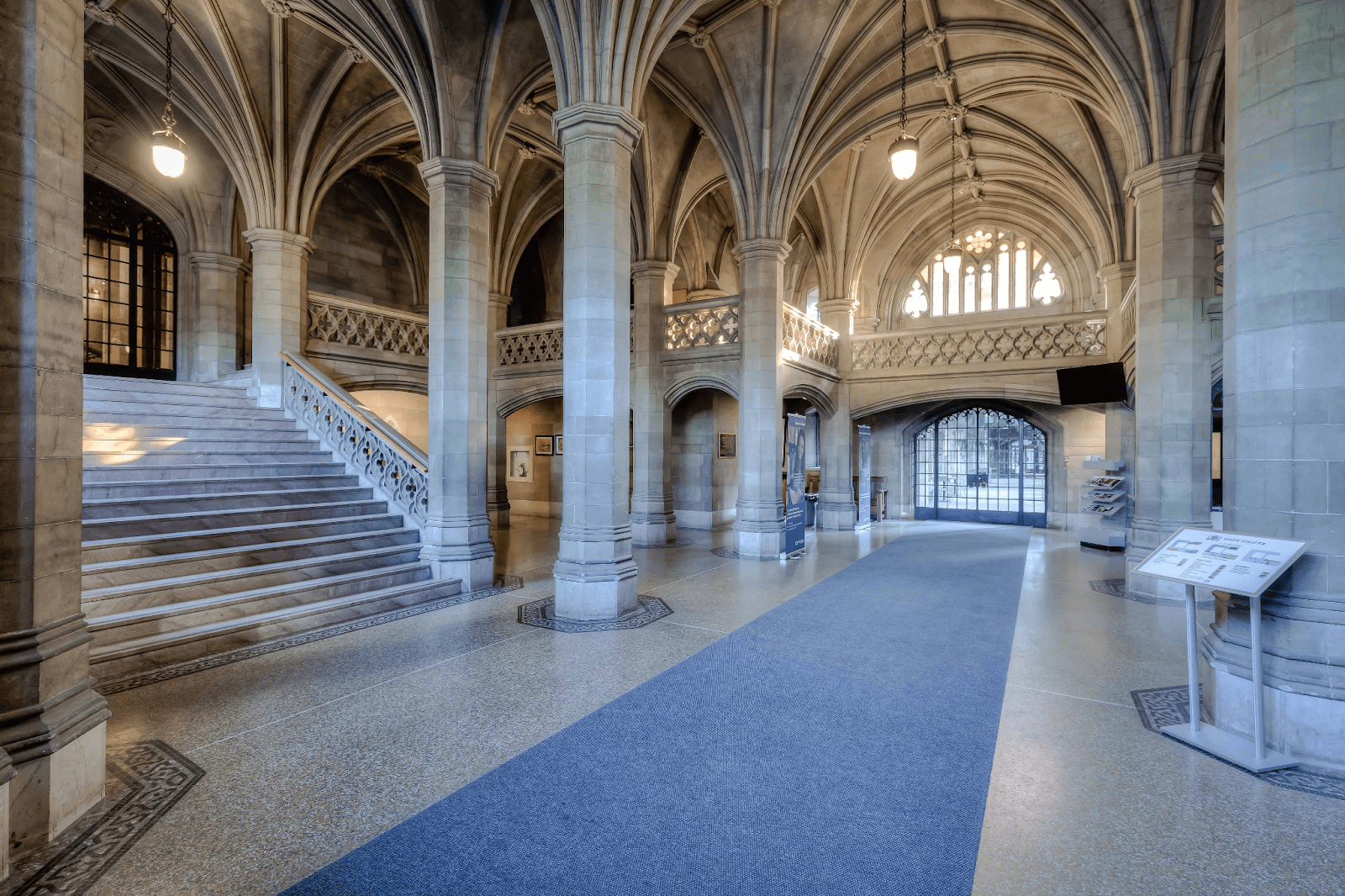
The seminaries within TST include the Anglican Trinity College, the Reformed Knox College, the Catholic St. Augustine’s Seminary, Emmanuel College, and others. Each institution has its own denominational tradition, but together they form one of the most powerful theological platforms in North America. TST works closely with the University of Toronto, so students from any seminary have access to its academic resources and receive U of T degrees. What does this mean for women? Above all, it means choice. For example, those who feel called to work in education, social services, or church communities can choose from several master’s programs:
- Master of Religious Education (MRE) – for those who want to teach religion or work with children and youth in parishes.
- Master of Arts in Spirituality (MA Spirituality) – for a deeper study of the internal experience of faith, prayer practices, and spiritual direction.
- Doctor of Ministry (D.Min.) – for ministers with practical experience who seek to reflect on it at a deeper level.
- And, of course, the Ph.D. – for those who plan to teach, research, write, and influence future generations.
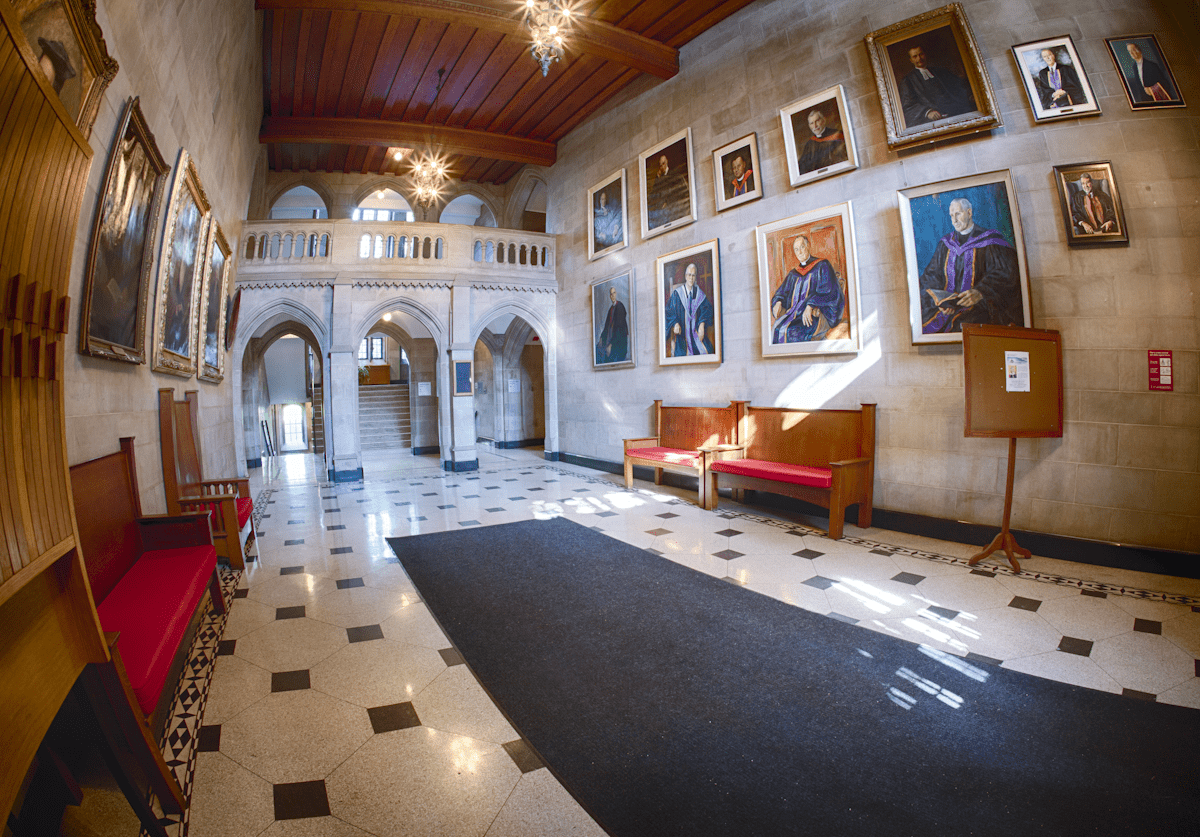
Women here are just as active as men. They teach, lead departments, run seminars, and shape a new language for theology. For instance, Emmanuel College actively supports feminist theology and an intersectional approach to spirituality. And Knox College, once exclusively male, now welcomes women into all its programs, including preparation for pastoral ministry. Even in more traditional environments like St. Augustine’s Seminary, women have opportunities to study, for example, in programs for the laity or in spiritual direction courses. One woman might be preparing to become a hospital chaplain, another a parish coordinator, and a third a scholar of Christian texts.
The presence of women at TST isn’t just a formality; it’s the result of a long journey forward. And although the struggle for equal opportunities within church structures continues, women are already teaching, serving, and changing perceptions of who can be a spiritual leader.
Women’s Spiritual Practices Beyond Academia
Formal education isn’t the only path to spiritual discovery. Alongside Toronto’s seminaries and academic programs, a completely different dimension of women’s spirituality is developing in parallel—one that is intuitive, embodied, gentle, and deeply personal. In these practices, many women allow themselves, for the first time, to pause, feel their faith within, and simply be with themselves.
A modern woman in Toronto can learn about spirituality not just in university lecture halls, but also online, in a format that easily fits into anyone’s lifestyle. In recent years, many signature programs have emerged that combine work with the body, energy, and symbols. Examples include courses on somatic-spiritual integration, intuitive guidance, archetypal work, or deep ritual cleansing. These are often led by women with backgrounds in psychotherapy, doula work, or spiritual direction, who have themselves undergone a long personal journey of transformation.
There are communities where women gather for seasonal rituals, meditations, and work on themes of feminine power, traumatic experiences, or even motherhood. This could be an intimate circle in a yoga studio or a multi-month certification program that teaches how to be a spiritual companion to others. Some of these, like the “Wise Woman Way,” “KaliMa Academy,” or other local Toronto initiatives, are spaces where women pray together, dance, and where the atmosphere is filled with tenderness and support.
How Personal Quests Lead to Theology
Interestingly, these informal paths don’t dismiss the importance of academic education. On the contrary, many women transition from traditional theology into areas that offer more room for intuition and freedom. Conversely, those who have undergone ritual training may later decide to deepen their understanding of the theological foundations of their practices and enroll at the Toronto School of Theology. This transition often happens when an internal search meets a need for structure, depth, and reasoned arguments. This is where one sphere enriches the other.
In today’s Toronto, women’s spiritual education is no longer just about becoming a chaplain or teaching the Bible. It’s also about being alive, feeling connected to one’s body, caring for another woman through birth or loss, and learning to speak with God in one’s own way—free from templates and fear. And in this, too, lies a deep spirituality, even if it isn’t backed by an academic certificate.