

Student life in Toronto is about more than just classes and exams. In a city with dozens of universities, languages, and cultures, students don’t just study—they truly get to know the world. Here, you can attend lectures on historic campuses, work in a coffee shop next to major company offices, volunteer, rent a room with a friend from Brazil, and catch a show by a young Canadian band all in the same evening. This is all part of a reality that shapes not just a professional, but a person. More at toronto1.one.
In this article, we’ll talk about what student life in Toronto really looks like: what it consists of, the problems students face, and what young people do outside the classroom.
Student Housing and Other Expenses
Renting a place to live is the first thing a student in Toronto thinks about, even before memorizing their class schedule. The city is large and diverse, so prices are correspondingly high. But there are options! It all depends on your budget, preferences, and willingness to compromise. The most popular neighborhoods among students are the Annex, Kensington Market, Liberty Village, and the city’s east end. Each has its own character, advantages, and disadvantages. For example, the Annex features old houses near the University of Toronto campuses, with many cozy coffee shops, bookstores, and charming rooms rented specifically to students. Meanwhile, Kensington Market attracts with its free-market atmosphere, street art, vegan eateries, and more budget-friendly prices. Liberty Village consists of modern condominiums located closest to various creative hubs. The calmest and most affordable area is considered the East End, so many students rent rooms there.

Prices vary greatly. Renting a separate apartment starts at $1,500 Canadian dollars a month and can easily exceed $2,500. That’s why most students choose to rent a room with friends or classmates. It’s much cheaper, with prices ranging from $700 to $1,200, and allows you to split the costs of internet, electricity, and cleaning among several people. Some live in student dormitories, officially called on-campus residence, but this is usually only possible in the first few years, and the price ranges from $6,000 to $15,000 per year.
In addition to housing costs, there are basic necessities: transportation (a monthly pass for the subway or buses costs about $156), groceries (averaging $300-$450), a cell phone plan, household items, platform subscriptions, and just a coffee, for example. Altogether, this brings the average monthly student budget to between $2,100 and $2,800 Canadian dollars. And that’s without major entertainment or travel…
What is Studying in Toronto Really Like?
Studying in Toronto isn’t just about lectures in classrooms; it’s about living in the rhythm of the city itself. The University of Toronto, one of Canada’s most prestigious universities with historic buildings reminiscent of a miniature Harvard, is located right in the city center, so students don’t have to wonder how to relax between classes. Everything is close: cafes, bookstores, and other entertainment. Another prominent institution, Toronto Metropolitan University (formerly Ryerson), offers programs in journalism, design, and technology. And for those who want to gain practical skills, colleges like George Brown or Humber College offer education focused on the real needs of the job market. So, the choice of specializations is also vast.

Student life in Toronto is not limited to lectures, because it is a city of festivals, exhibitions, galleries, and events. Many of them are free or cheaper for young people. University students can visit museums just by showing their student ID: for example, the Royal Ontario Museum, Art Gallery of Ontario, or the Ontario Science Centre. The city regularly hosts film screenings, literary evenings, themed fairs, and theatrical events (from Shakespeare in the Park to premieres at the Mirvish Theatre).
Silence reigns in the libraries, as most are designed for students’ comfortable study. The Toronto Public Library has dozens of branches across the city where you can not only borrow a book but also use Wi-Fi, a printer, join a club, or participate in workshops. And in university libraries, you can even book a room for group work.
Those who want a more vibrant life usually participate in student organization initiatives, volunteer, or create their own artistic events.
How to Find Your People: Communities, Clubs, and Organizations
Student life is also about finding your people. Those with whom you can relax after classes, study for an exam together, or just go for a walk. In Toronto, this is easier than it seems. Because every major university or college has dozens, and sometimes hundreds, of student clubs, ranging from chess and book clubs to LGBTQ initiatives or groups based on interests in film, cooking, or even climate activism.
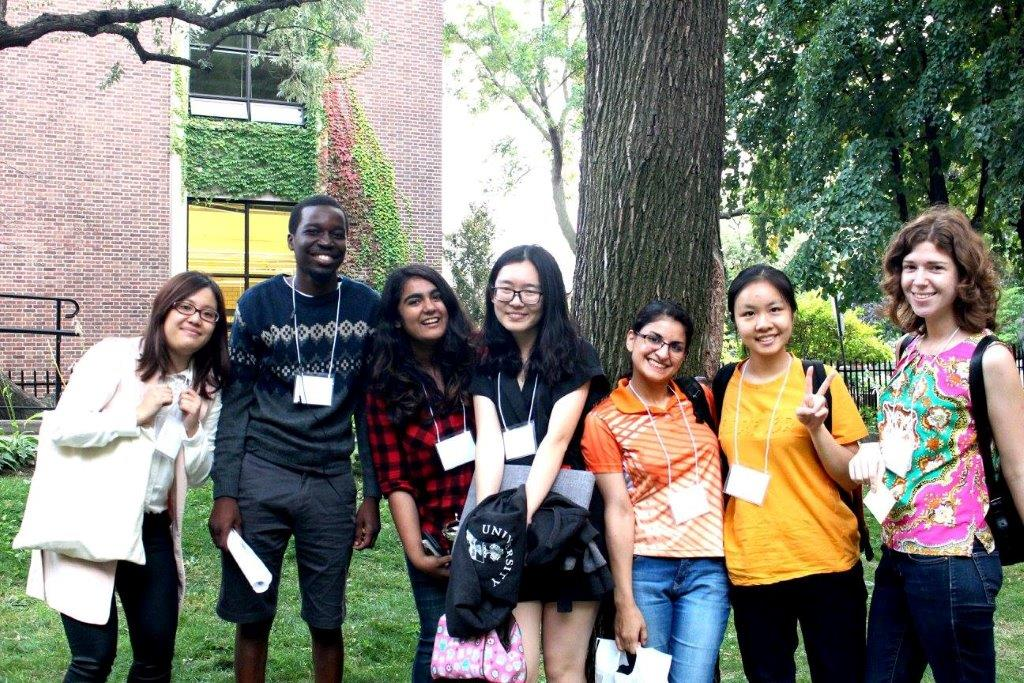
It all starts simply: a student might attend an informal meeting at a club just for a cup of coffee, and end up finding the group of friends they’ll spend all their university years with. Many of these communities are open to newcomers; it doesn’t matter how long the student has been studying—the main thing is that they showed up. Cultural and ethnic associations are particularly popular, including Ukrainian, Indian, Chinese, and Somali groups. Each community has its own environment where they support newcomers, organize holidays, cook food from home, and simply help one another.
Most campuses also have mental health centers, student councils, and volunteer organizations. Through them, you can not only get support but also get involved in initiatives yourself: from charity events to organizing festivals. And importantly, this activism and collaborative work don’t disappear outside the campus. Students also volunteer in libraries, help at shelters, participate in protests, or hold artistic events in parks.
Cultural Routes and Urban Discoveries
Studying in Toronto isn’t always easy, as countless deadlines, a heavy workload, and a new environment take their toll. But that doesn’t mean life is all about books. Free time here often turns into an exploration of the city, where something interesting is happening every day. And the best part is that most cultural events are accessible even on a student budget. In the summer, Toronto hosts over 40 street festivals, and most of them are free for everyone. On a Friday evening, you can visit the Royal Ontario Museum (when tickets are much cheaper). The Art Gallery of Ontario offers free admission for young people once a week. Movies, theater, concerts—almost everywhere offers student discounts, sometimes up to 40%. You can also attend performances by young musicians, mini-festivals, stand-up comedy nights, or join meetups in clubs, bars, or art spaces where any guest can take the stage without prior selection, or just relax.

Besides that, students love food. For example, in Kensington Market (a popular area among students and young people for its unique atmosphere, affordable cafes, art spaces, and variety of food and shops), you can buy a delicious falafel, Indonesian rolls, and homemade pastries. Often, students just go out for dinner together after classes—it’s certainly tastier and cozier than eating alone.
And when you want some quiet, there’s always a place to exhale and recharge. High Park, Trinity Bellwoods, or even the Toronto Islands are parks where it’s nice to escape for at least a few hours. Some people read here, others have a picnic, or simply walk barefoot on the grass.