

For over two centuries, the walls of this institution have resonated with music, and its students have honed their skills in playing musical instruments as part of an orchestra. As Canada’s first music school, it marked the beginning of musical and vocal education in Toronto, producing many renowned artists whose fame extends far beyond their hometown. Learn more about the development of this iconic institution at toronto1.one.
Early History of Toronto’s Music Conservatory
The Royal Conservatory of Music is one of the world’s most prestigious institutions. However, in the 19th century, it was relatively unknown, with its musical activities just beginning under the guidance of talented musician-educators in Toronto.
Founded in 1886 by Canadian conductor Edward Fisher, the Conservatory began without a dedicated building, operating from two floors above a music shop at the corner of Dundas Street (then Wilton Street) and Yonge Street.
Interestingly, the Conservatory was the first institution in Canada to provide professional training for aspiring musicians and vocalists.
In its inaugural year, the Conservatory recruited Francesco D’Auria, an Italian musician and composer, whose wealth of experience significantly contributed to the growth of musical education in Toronto.
Initially, the Conservatory wasn’t as popular as it is today. The first cohort of students numbered only 100. However, thanks to its growing reputation and credibility in education, enrollment increased to 300 students in its second term.
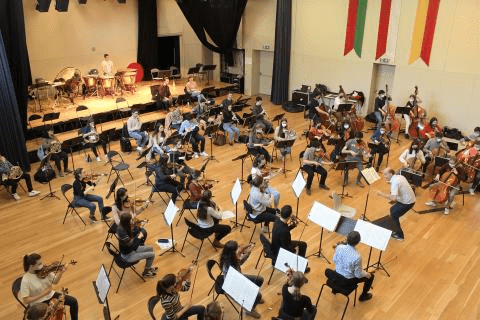
To accommodate the growing number of students, the Conservatory moved to a larger building on College Street in 1897. Around the same time, it partnered with the University of Toronto to prepare students for exams and academic degrees. Since then, classes have been held on the university’s music faculty premises.
In 1906, Frank Welsman became the Conservatory’s director and also led its orchestra, which evolved into the Toronto Symphony Orchestra two years later.
One of the most gifted students of the time was Glenn Gould, hailed by many as a musical genius. He mastered the organ and piano and graduated with distinction at the age of 12 in 1946.
Post-War Development of Musical Education
The Conservatory offered a comprehensive curriculum that included instrument training, music theory, public speaking, foreign languages, vocal anatomy, and even hygiene. In 1889, an organ hall was added to the facilities.
By 1897, the Conservatory had relocated to a new building with 25 classrooms. The following year, branches opened in other Canadian cities, marking a significant structural reorganization.
In 1947, King George VI granted the Conservatory a royal charter, solidifying its status as one of Canada’s leading music institutions. It was subsequently renamed the Royal Conservatory of Music.
Between 1945 and 1968, Canadian conductor and music educator Ettore Mazzoleni served as its director. Under his leadership, the Conservatory expanded rapidly. Initially, students completed a two-year program alongside music theory and history courses. A three-year program was later introduced, culminating in diploma qualifications.
An opera school was also established, providing comprehensive training in operatic arts. This eventually led to the creation of the Royal Conservatory’s opera troupe.
Becoming an Independent Institution
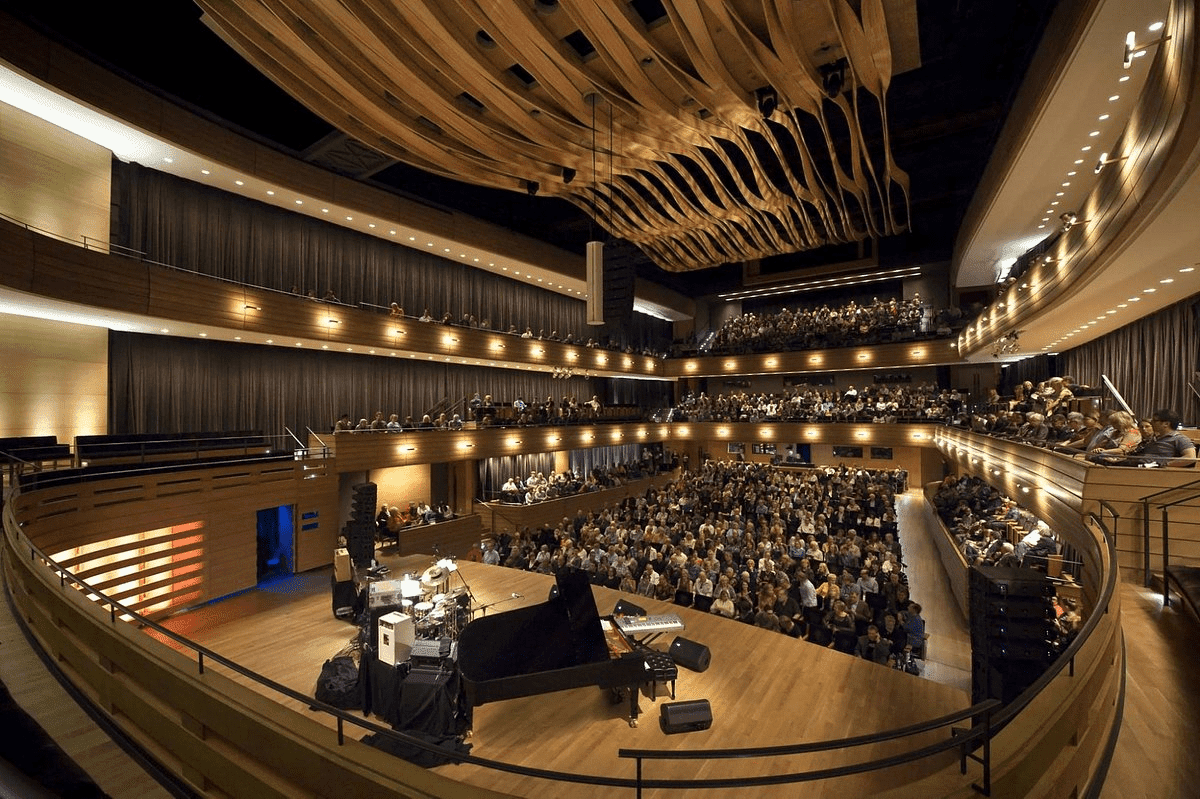
From 1963 to 1991, the Conservatory was part of the University of Toronto before becoming an independent institution. In 1991, architects from KPMB Architects devised a plan to restore its historic building and expand it with new facilities, including academic spaces, a 1,135-seat concert hall, music studios, classrooms, a library, and rehearsal rooms.
By late 2008, the Conservatory’s faculty moved into the renovated building, continuing their educational mission. Today, the institution offers a wide range of programs in instrumental and vocal training, maintaining its legacy as a cornerstone of Canada’s musical education.