

Located near downtown Toronto, the University of Toronto is one of Canada’s oldest institutions of higher learning. This prestigious university has a 200-year history filled with notable events and hidden secrets. Some of these mysteries remain unknown even to the students who walk its halls. What does this university conceal, and how has it evolved over centuries since its founding? Read more on toronto1.one.
How Did the University Come to Be?
Few people know that the University of Toronto was initially called King’s College. Established in 1827, it was the first educational institution in the English-speaking northern colony of Upper Canada. British King George IV signed the royal charter for its official founding, marking the beginning of higher education in Toronto.
In subsequent years, the city’s government introduced new educational reforms. One of these reforms, in 1850, granted the institution university status. It was then merged with several colleges that could not compete with it, including Trinity College, St. Michael’s College, and Victoria University.
Architecture and Structure: Past and Present
This university was constructed in the early 19th century, and its architecture continues to amaze with its grandeur, beauty, and mystique. Most university buildings are made of stone in a Gothic style, featuring pointed arches, tall narrow towers with columns, intricately decorated facades, and stained-glass windows. These architectural details consistently captivate students, faculty, and tourists alike.
Initially, the institution was a religious secondary school under the control of the Anglican Church. It became a public institution under Toronto’s Ministry of Education only in the latter half of the 19th century.
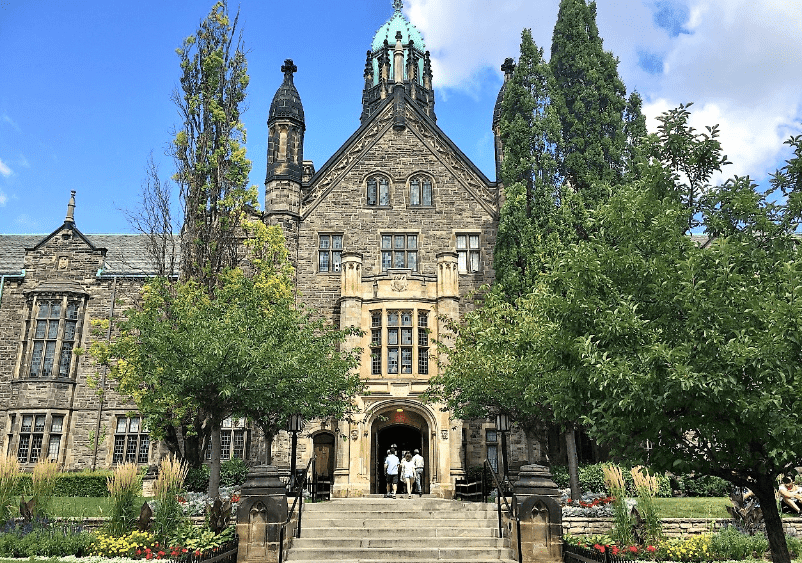
When it gained university status, the University of Toronto initially offered only three faculties: Medicine, Law, and Theology. Over the decades, new disciplines and programs were added. By 2000, the university’s structure included 12 colleges, thanks to partnerships with other institutions.
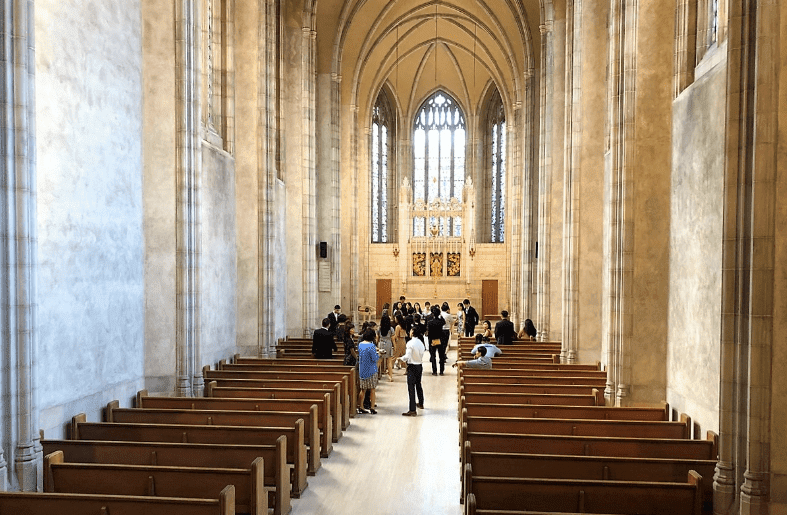
The main campus, located just 10 blocks from downtown Toronto, consists of several historic buildings that have remained largely unchanged on the outside for centuries.
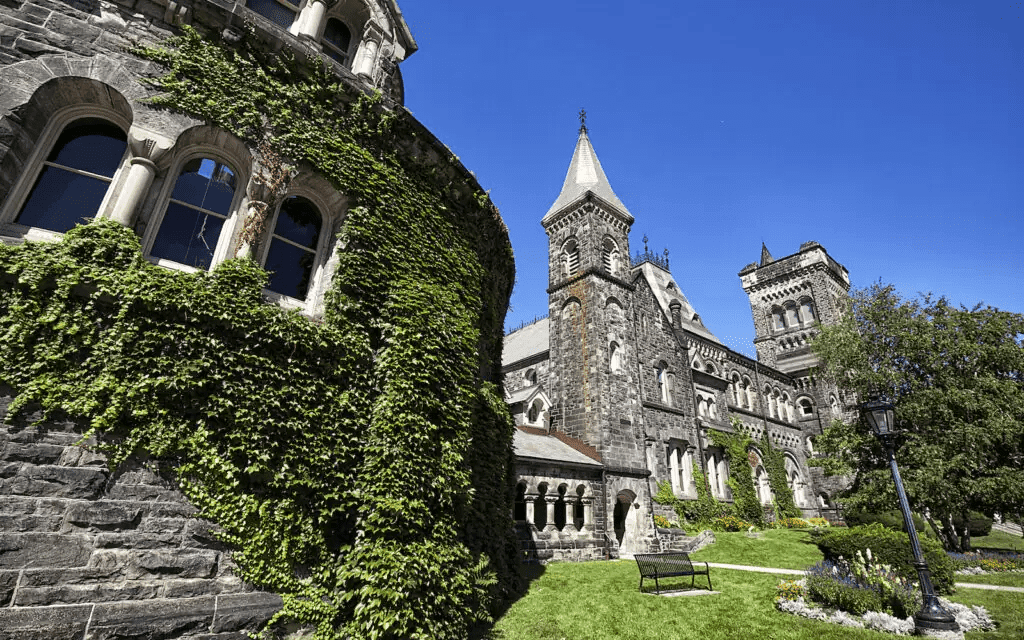
Libraries of the University of Toronto: Fascinating and Lesser-Known Facts
The sheer scope and diversity of the university’s book collection leave new students in awe. It houses one of the largest library networks in North America. To accommodate this vast collection, a 14-story building known as the “Fort Book” was constructed on campus.
Additionally, the university is home to the Thomas Fisher Rare Book Library, opened in November 1955 under the guidance of librarian Robert Blackburn. The library is named after Thomas Fisher, whose grandchildren donated his and their personal collections to the institution.
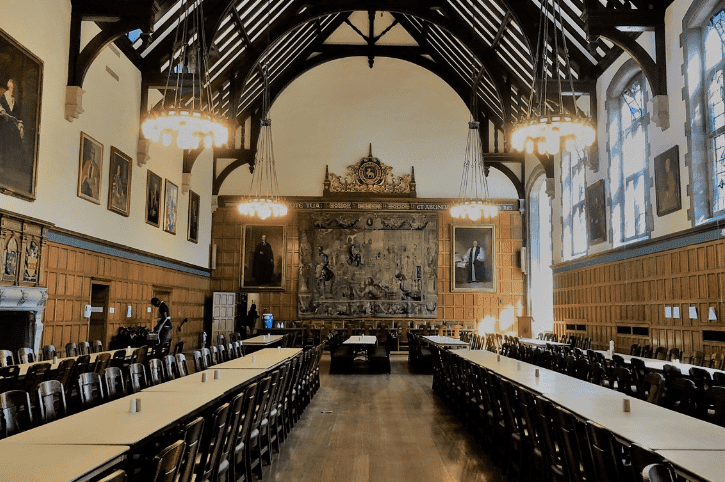
Insulin: One of the University’s Greatest Scientific Achievements
One of the university’s laboratories was the birthplace of insulin, a medical breakthrough that has saved the lives of millions of people with diabetes. The discovery was made by Professor Frederick Grant Banting and his assistant Charles Best.
The story began with the death of Banting’s friend from diabetes, which motivated him to delve into researching the disease. His experiments began in the early 20th century and continued for several years. Despite initial failures, Banting persisted, even selling his possessions to fund the research.
In 1920, he came across an article about a clinical case that guided him toward a breakthrough in developing insulin. By 1921, Banting and Best achieved their goal. Their experiment on a dog was successful, and within a year, the new drug was being used to treat diabetic patients. This scientific milestone earned the University of Toronto global recognition.
The University of Toronto’s rich history is intertwined with innovation, architectural marvels, and groundbreaking achievements. From its Gothic-style buildings to its globally renowned research, this institution continues to shape the future while cherishing its storied past.
What are your thoughts on the university’s remarkable legacy? Let us know in the comments—your opinion matters!