

Canada is renowned for its deep appreciation of music, writes toronto1.one. Canadians not only enjoy attending music events but also actively nurture their talents in singing and playing various instruments.
Beyond a love for music, Canada has also made a name for itself by producing some of the world’s finest musical instruments.
One of the most iconic Canadian enterprises in this field is Heintzman & Co., famed for its high-quality pianos and unparalleled sound.
In this article, based on information from pianotech.ca, we delve into the fascinating history of Toronto’s “most musical” enterprise.
The Beginning
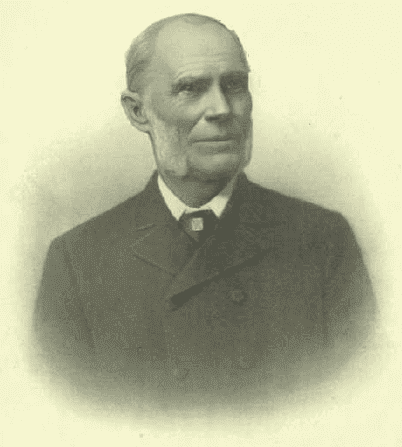
The story of Heintzman & Co. began in 1866 when Theodore Heintzman arrived in Toronto and started manufacturing pianos. Initially, Heintzman took orders and crafted instruments from his home, but soon he managed to open his first factory.
By the spring of 1868, Heintzman was producing around 60 pianos annually.
In 1873, the growing factory relocated, adding offices and showrooms to its facilities.
Heintzman managed the business until his passing in 1899, after which his sons took over the company.
Expansion
The company thrived throughout the 1870s and 1880s.
By 1884, the factory had produced over 2,000 instruments.
Around the same time, Heintzman & Co. expanded again, constructing a new factory in Toronto’s western suburbs. This facility eventually became the company’s main production site.
Another Enterprise
Interestingly, Theodore’s nephew, Gerhard Heintzman, was also successful in the piano manufacturing business. After Gerhard’s death, his company was absorbed into Heintzman & Co., further bolstering the latter’s operations.
Resilience Amid Challenges
The 1920s brought significant difficulties for many Canadian piano manufacturers. Despite this, Heintzman & Co. not only survived but also acquired Nordheimer Piano Company, continuing to produce pianos under the Nordheimer brand for years to come.
The Impact of the Great Depression
Unlike many competitors, Heintzman & Co. prioritized quality over affordability in its instruments, earning a stellar reputation.
However, the Great Depression of the 1930s posed major challenges for the company. Even so, it persevered, maintaining production and by 1967 had manufactured 5,000 pianos.
Opening Another Factory
To uphold its reputation, Heintzman & Co. eventually opened an additional factory in Hanover. This facility specialized in crafting Heintzman grand pianos, celebrated for their exceptional quality and sound.
The Sale
In January 1981, Heintzman & Co. was sold to Sklar-Peppler Inc.
The acquisition brought significant modernization to the factory and its products.
By 1985, the factory was producing 750 upright pianos and approximately 50 grand pianos annually.Photo: wikipedia