

Toronto is a beautiful metropolis and Canada’s largest city. It’s home to millions of people who work, study, relax, and start their own businesses. Logically, a city this large needs a developed aviation infrastructure. It’s Toronto’s airports that help residents quickly get to any country in the world. The city’s main airport is Lester B. Pearson International Airport. It is the largest and busiest airport in Canada. However, there are other airports operating in our city as well. Read more about this on the toronto1.one website.
Toronto Pearson International Airport: What You Need to Know
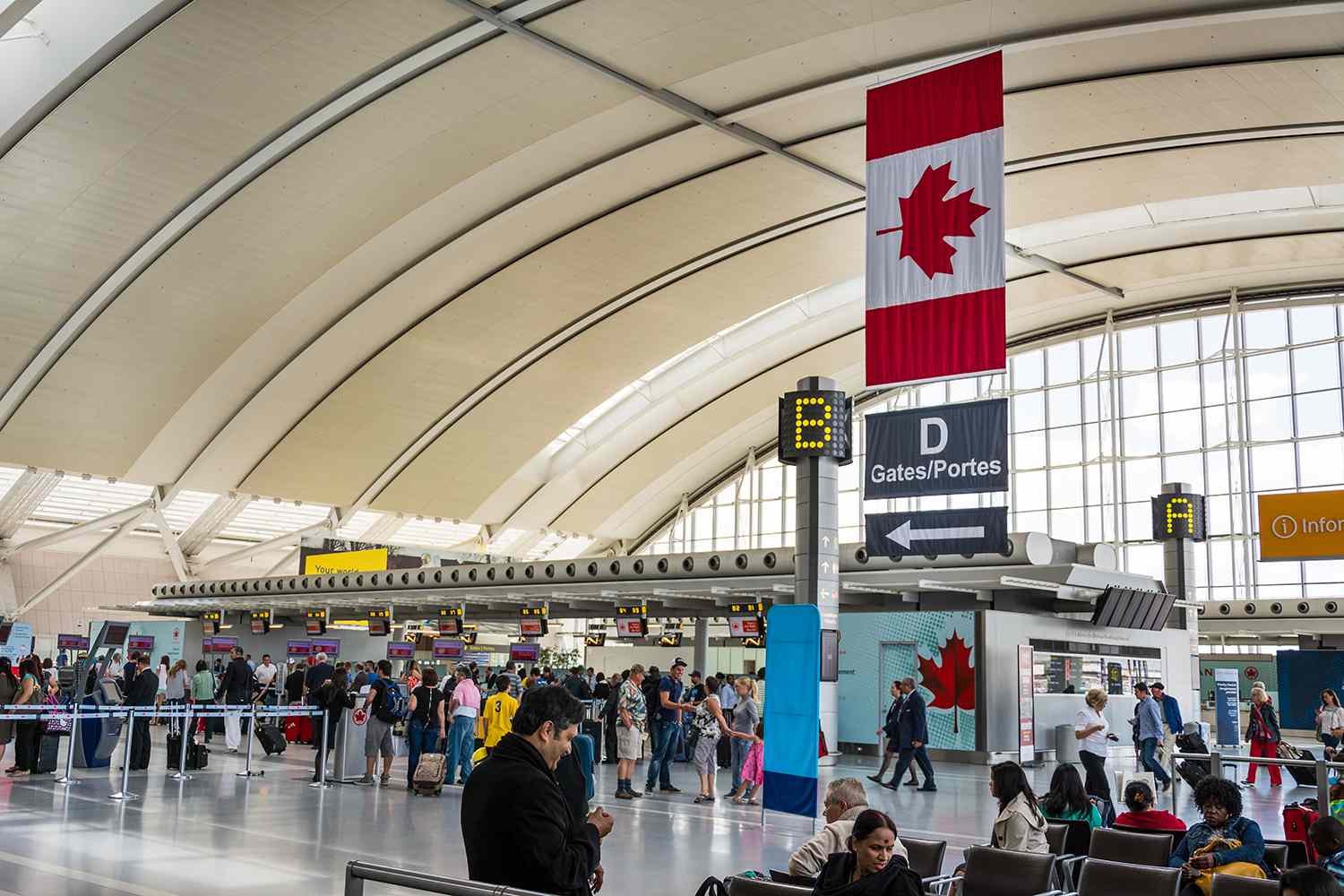
The history of aviation in Toronto dates back to the 20th century. On the eve of World War II, in 1937, the Government of Canada agreed to support the construction of two airports in the Toronto area.
Two locations were chosen for the construction of the two airports: one on the Toronto Islands, home to the modern Billy Bishop Toronto City Airport, and the second northwest of Toronto, near the town of Malton. And just two years later, the first scheduled passenger flight landed at Malton Airport.
In 1958, the City of Toronto sold the airport to the Government of Canada. The airfield was later renamed Toronto International Airport, managed by Transport Canada. Then, in 1984, the airport changed its name again to Lester B. Pearson International Airport. By the way, Lester B. Pearson was the 14th Prime Minister of Canada and the 1957 Nobel Peace Prize laureate. He was born in Toronto, which is why the airport was named in his honour.
Development of Lester B. Pearson International Airport
The airport is located 27 kilometres northwest of downtown Toronto in the city of Mississauga. This airfield has five runways and two main terminals: Terminal 1 and Terminal 3.
It’s worth noting that Terminal 1 opened in 2004. It serves domestic and international flights. As for Terminal 3, it is used primarily for international flights. Additionally, this airport has U.S. preclearance facilities. This significantly simplifies the border crossing procedure for passengers flying to the United States.
Lester B. Pearson International Airport is considered the main hub for Air Canada and the Star Alliance in Canada. Every year, this airport serves over 32 million passengers and handles over 429,000 aircraft takeoffs and landings.
It should be noted that the airport is served by over 70 airlines. These airlines provide non-stop flights to more than 100 cities worldwide.
In 2020, Lester B. Pearson International Airport was recognized as one of the best in the world in the category of airports with an annual passenger flow of 50 to 60 million people.
Billy Bishop Toronto City Airport: The City’s Downtown Airport
As you’ve gathered, more than one airport operates in the metropolis. With over three million people living in Toronto, a decision was made to open another airfield to improve air connections. Billy Bishop Toronto City Airport is located on Centre Island. This airport isn’t as large as Lester B. Pearson International Airport, but it has its main advantage. It is located just minutes from downtown Toronto and serves as a key regional hub for Porter Airlines.
This airport features a modern passenger terminal, and in 2010, the second phase of the terminal was opened. It’s worth noting that this airfield is environmentally friendly, as it runs on 100% clean, renewable energy thanks to Bullfrog Power.
So, that’s our informative piece on aviation in Toronto. We hope you learned a lot of new information today about your home city and its main airports.