

Education is essential for everyone, and an educated population is the foundation of a prosperous and economically advanced country. Quality education offers a competitive edge in career development. Toronto boasts a wide range of educational institutions, providing residents with plenty of options. Today, we will discuss the Munk School of Global Affairs and Public Policy at the University of Toronto. This interdisciplinary academic hub offers various research and educational programs centered around globalization. Read on to learn more about this renowned institution at toronto1.one.
History of the Munk School of Global Affairs and Public Policy
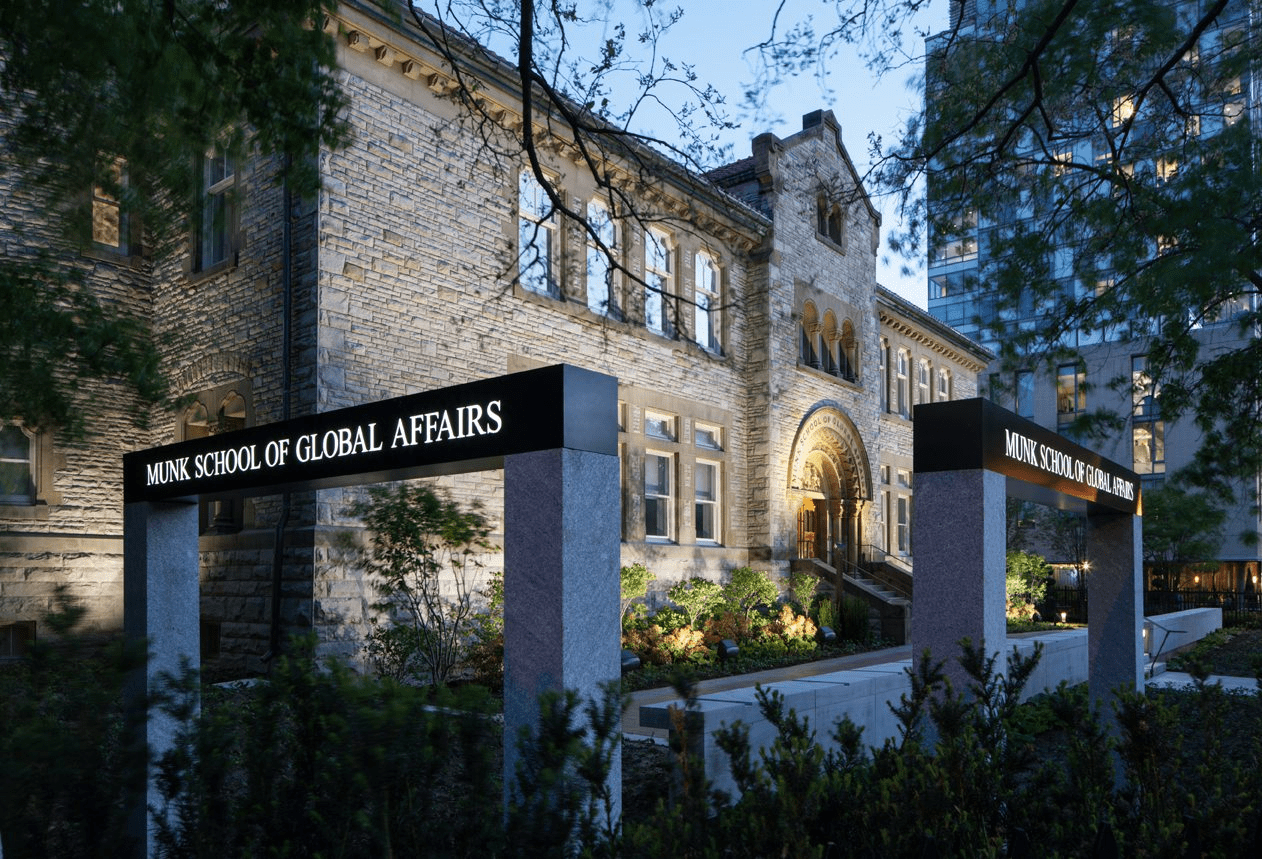
The history of this educational institution dates back to 2000 when it was established as the Munk Centre for International Studies. The school is named after Canadian businessman and philanthropist Peter Munk, who donated $6.4 million for the construction of a new facility. Initially housed in the former residence hall of Trinity College, the school expanded in 2012 to include a second building with financial support from the Peter and Melanie Munk Foundation, the Government of Canada, and the Government of Ontario.
Despite its growth and achievements, the institution faced criticism from students and faculty for accepting a $35 million donation from Peter Munk. Critics argued that Munk’s ultraconservative views clashed with the school’s mission and expressed concerns that the Munk family could influence the university’s priorities over its faculty and students.
Continued Development of the Institution
In 2018, the University of Toronto announced the merger of the Munk School of Global Affairs with the School of Public Policy and Governance. This consolidation created the Munk School of Global Affairs and Public Policy.
The School of Public Policy and Governance, established in 2006, focused on public policy and administration. Now part of the Munk School, students study political foundations and complete paid summer internships between their first and second years. Internship partners include the Government of Canada, the Ontario Public Service, the City of Toronto, and the City of Mississauga, among others.
Academic Programs
The school offers two main graduate degrees:
- Master of Global Affairs (MGA): This two-year program covers global financial systems, civil society, strategic global issues, and security. Students can pursue internships at non-governmental organizations, international bodies, embassies, or consulates abroad. Admission is competitive, with many aspiring to join.
- Master of Public Policy (MPP): Each year, 80 students enroll in this two-year program, which includes courses on political science, micro- and macroeconomics, legal analysis, and governance. Guest lectures from political leaders and officials complement the curriculum, allowing students to engage with both theorists and practitioners.
The school also awards the Cadario Fellowship in Public Policy to top-performing second-year students. Named after Paul Cadario, a senior manager at the World Bank and University of Toronto alumnus who donated $1 million, this scholarship is highly prestigious.
Students can explore political topics and contribute to the Public Policy and Governance Review (PPGR), a digital journal that publishes articles by students, academics, and policymakers. Graduate students manage and curate the journal’s content, providing an excellent platform for intellectual exchange.
Political education is crucial in today’s society. It fosters a better understanding of global and political processes while enabling students to build successful careers in politics and public administration. The Munk School prepares graduates for roles in international organizations, embassies, consulates, and government institutions worldwide.
The story of the Munk School of Global Affairs and Public Policy highlights its evolution into a leading academic center offering sought-after programs. We hope this article was informative and shed light on Toronto’s educational landscape and this remarkable institution.
Do you find politics interesting? Share your thoughts with us on social media—we’d love to hear your opinions!
Sources: