

Cory Doctorow is an activist, blogger, journalist, and science fiction writer. He explores themes such as geographical, cultural, and linguistic origins, influences on personal development, pivotal moments in life, intellectual growth, and advice for gifted and talented youth. Moreover, Doctorow holds an honorary doctorate from the Open University. More details on toronto1.one.
Cory Doctorow’s Work
Doctorow is a contributor to numerous journals, websites, and newspapers and serves as a special advisor to the Electronic Frontier Foundation, a nonprofit organization dedicated to protecting freedom in technology laws, policies, standards, and agreements. He holds honorary doctorates in law from York University and in computer science from the Open University in the UK. As of 2024, Cory is an affiliated researcher at the MIT Media Lab.
A Canadian writer and “digital rights activist” (his terminology), Doctorow began publishing noteworthy works in the genre with 2000 Year Check-up for On Spec in 1990. He gained widespread attention with his first acclaimed short story, Craphound (1998, Science Fiction Age), which depicts aliens engaged in trading deals. Other notable short fiction includes I, Robot (February 14, 2005, Infinite Matrix), which won the Locus Award for a novella, When Sysadmins Ruled the Earth (August 2006, Jim Baen’s Universe), and After the Siege (January 2007, Infinite Matrix), which also received the Locus Award for Best Novella.
Doctorow is a writer and activist deeply engaged with humanity’s transformations. He was awarded the John W. Campbell Award in 2000 for his contributions to the genre. In his view, while these challenges may intimidate relics of the past, the future humanity is heading toward is exciting and promising. Much of his work promotes non-fiction advocacy, as seen in Content: Selected Essays on Technology, Creativity, Copyright, and the Future of the Future (2008). He explores the complex interplay between an information-rich world and the free flow of information in the digital age. In this context, works like Essential Blogging: Selecting and Using Blog Tools (2002) have proven invaluable, potentially even more so than some of his polemical essays, where enthusiasm occasionally overtakes argumentation.
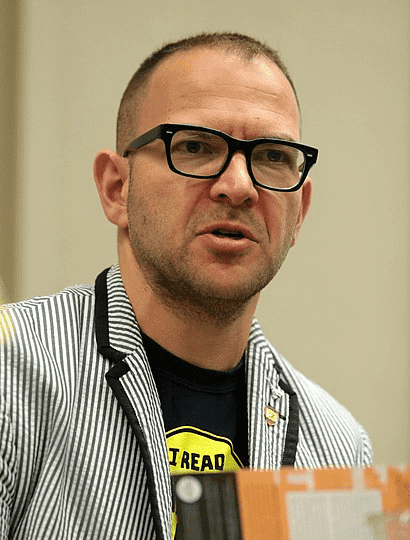
Doctorow also gained prominence as one of the contributors to BoingBoing, a highly successful weblog, which significantly amplified his influence.
Doctorow’s fiction, while consistently competent, occasionally lacks the resonance of his non-fiction work. However, his stories sometimes echo the harsh science fiction of the past century, blending human virtues with problem-solving. For instance, in Down and Out in the Magic Kingdom (2003), set in an information-driven world where clones minimize the impact of death, a conflict unfolds in an archaic Disney-inspired realm influenced by virtual reality. Eastern Standard Tribe (2004) portrays postmodern tribalism as distributed networks based on shared information rather than kinship ties, presenting an optimistic view of the future.
His earlier short stories are compiled in collections such as A Place So Foreign and Eight More and Overclocked: Stories of the Future Present (2007). Doctorow has argued that while traditional novels (which he considers iterations of print technology) face challenges in the digital age, they still hold vast potential.
Perhaps Doctorow’s most notable work, Little Brother, is marketed as a young adult novel. It tells the story of Marcus, a teenage hacker in near-future San Francisco, who, despite his innocence, falls into the clutches of the Department of Homeland Security. Through Marcus’ journey, Doctorow argues for the necessity of freedom in an era dominated by information. The novel is simultaneously engaging, polemical, and thought-provoking.
Doctorow’s Views on Intellectual Property and Copyright
Doctorow advocates for liberalizing copyright laws to facilitate the free exchange of all digital media and supports file-sharing. He argues that copyright holders should have exclusive rights to sell their creations but that copyright laws should not apply if the product isn’t being commercially sold.
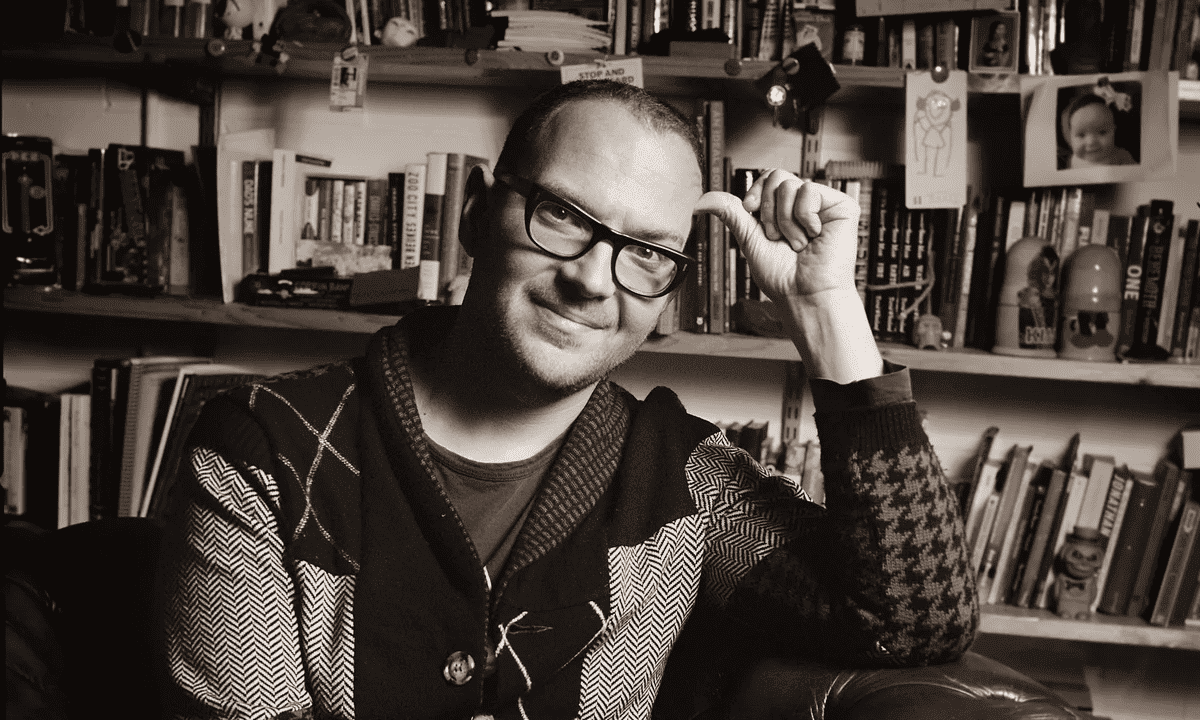
He opposes digital rights management (DRM), criticizing it for restricting the free exchange of media and creating unnecessary challenges for legitimate users, such as registration issues that prevent users from accessing or transferring purchased content.
Doctorow was a keynote speaker at the 2014 CopyCamp in Warsaw, Poland, where he delivered a talk titled Information Doesn’t Want to Be Free.
Positions and Other Activities
In 1999, Doctorow served as the Canadian Regional Director of the Science Fiction and Fantasy Writers of America.
In 2007, he collaborated with the Austrian art group Monochrom on Instant Blitz Copy Fight, encouraging people worldwide to photograph copyright warnings in cinemas.
On October 31, 2005, Doctorow was involved in a DRM controversy with Sony-BMG, documented in Don Tapscott and Anthony D. Williams’ book Wikinomics.
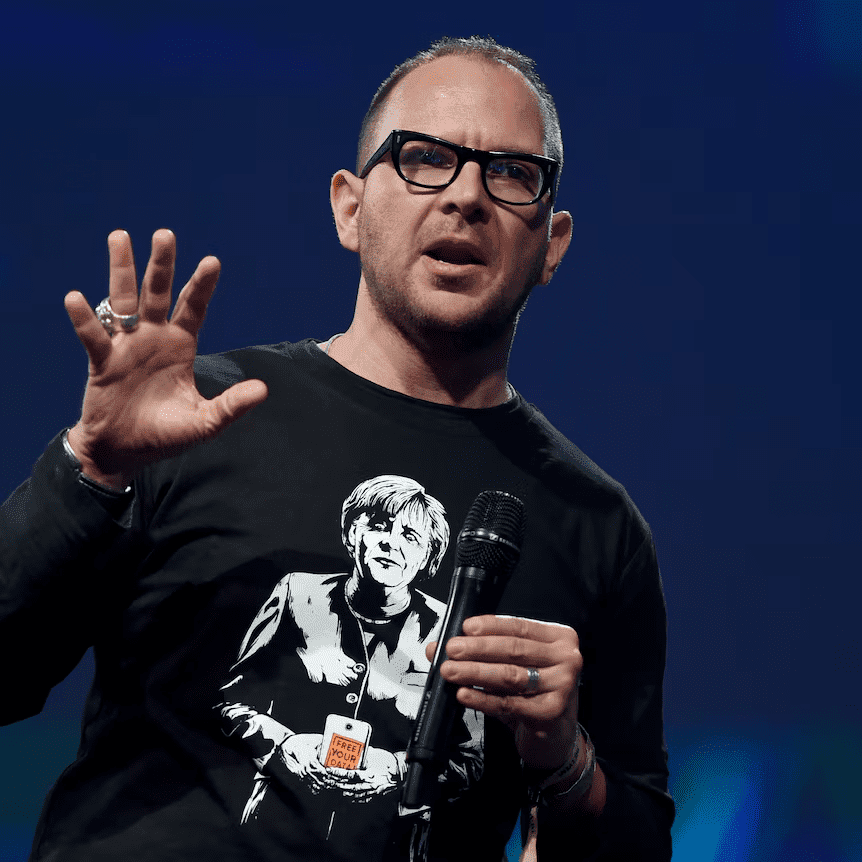
Doctorow has been a long-time user and advocate of the anonymous network Tor. He also supports the Boing Boing-operated high-quality Tor exit node. Furthermore, he was a keynote speaker at the Hackers on Planet Earth conference in July 2016.
Mentions in Comics, Novels, and Games
The webcomic xkcd occasionally features a semi-fictional version of Doctorow, depicted living on a balloon in the “blogosphere” (above the “tag clouds”) and wearing a red cape and goggles, as seen in the comic Blagofaire. Upon winning the 2007 EFF Pioneer Award, Doctorow was presented with a red cape, goggles, and a balloon.
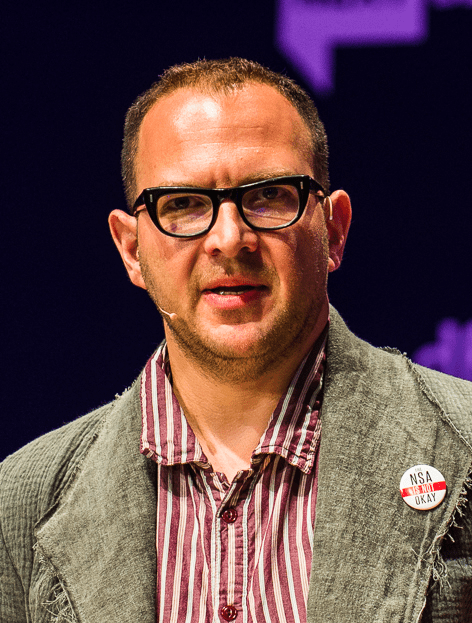
In the novel Ready Player One, Doctorow is mentioned as the re-elected president of the OASIS User Council (with Wil Wheaton as his vice president) in 2044, recognized for their decade-long advocacy for user rights.
In the comedy RPG Kingdom of Loathing, a boss battle features a monster named “Doctor Oh,” depicted as a man wearing a red cape and goggles.
Sources: