

Irving Martin Abella was a distinguished historian, professor, administrator, and writer. He served as a history professor at York University from 1968 to 2013 and was a pioneer in Canadian labour history, with a focus on the Jewish experience in Canada. Abella co-authored the groundbreaking book None Is Too Many: Canada and the Jews of Europe 1933-1948, which documented anti-Semitism in Canada’s immigration policy. More on toronto1.one.
Abella also served as president of the Canadian Jewish Congress from 1992 to 1995 and was instrumental in founding the Centre for Jewish Studies at York University. He was a member of the Order of Canada, the Order of Ontario, and the Royal Society of Canada.
Family, Education, and Love
Irving Abella was born on July 2, 1940, in Toronto to Louis and Esther Abella. He completed his higher education at the University of Toronto, earning a Bachelor of Arts in 1963, a Master of Arts in 1964, and a PhD in 1969. His doctoral dissertation focused on Canadian labour history. From 1968 to 2013, he taught Jewish history and labour history at York University.
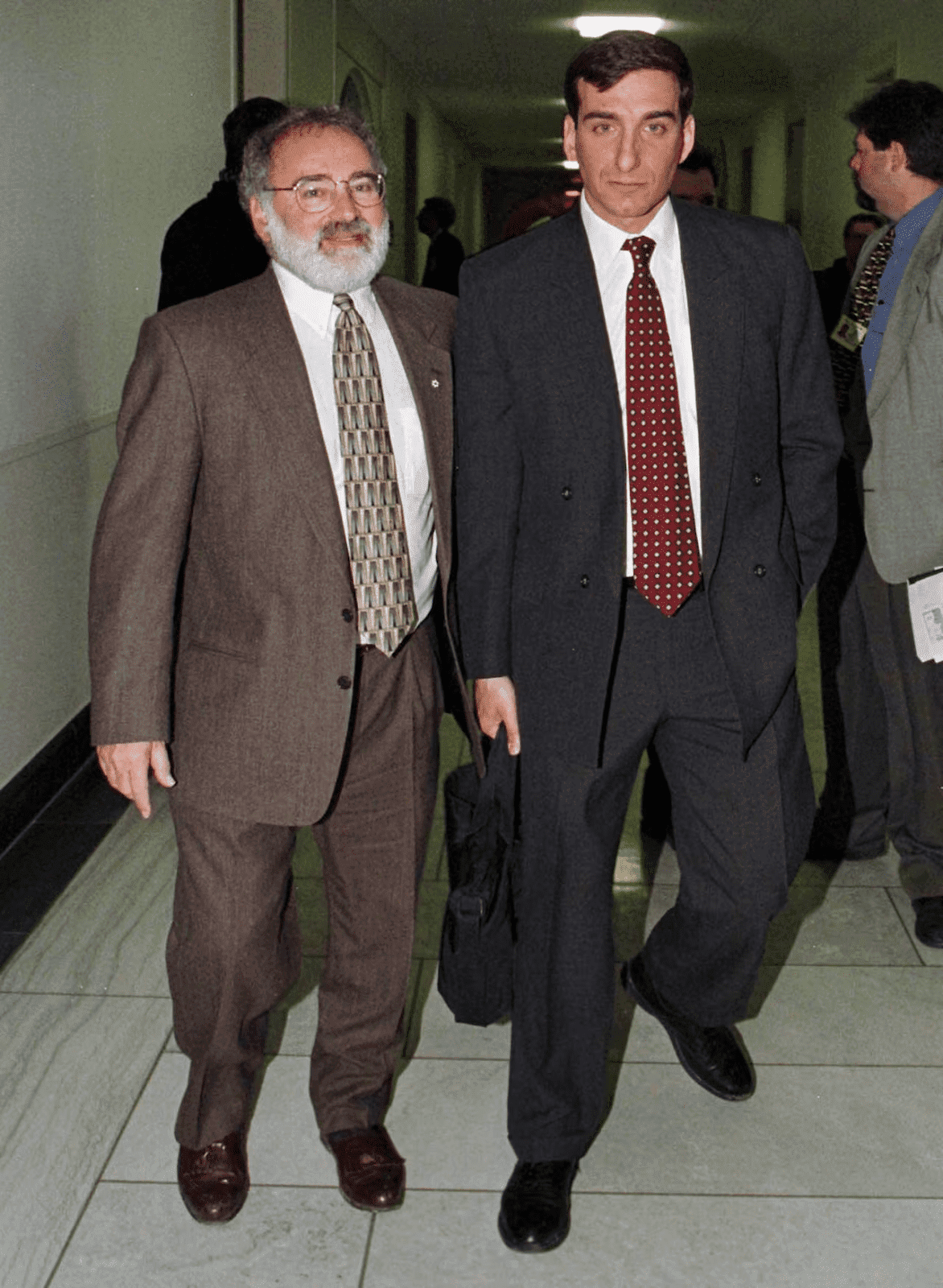
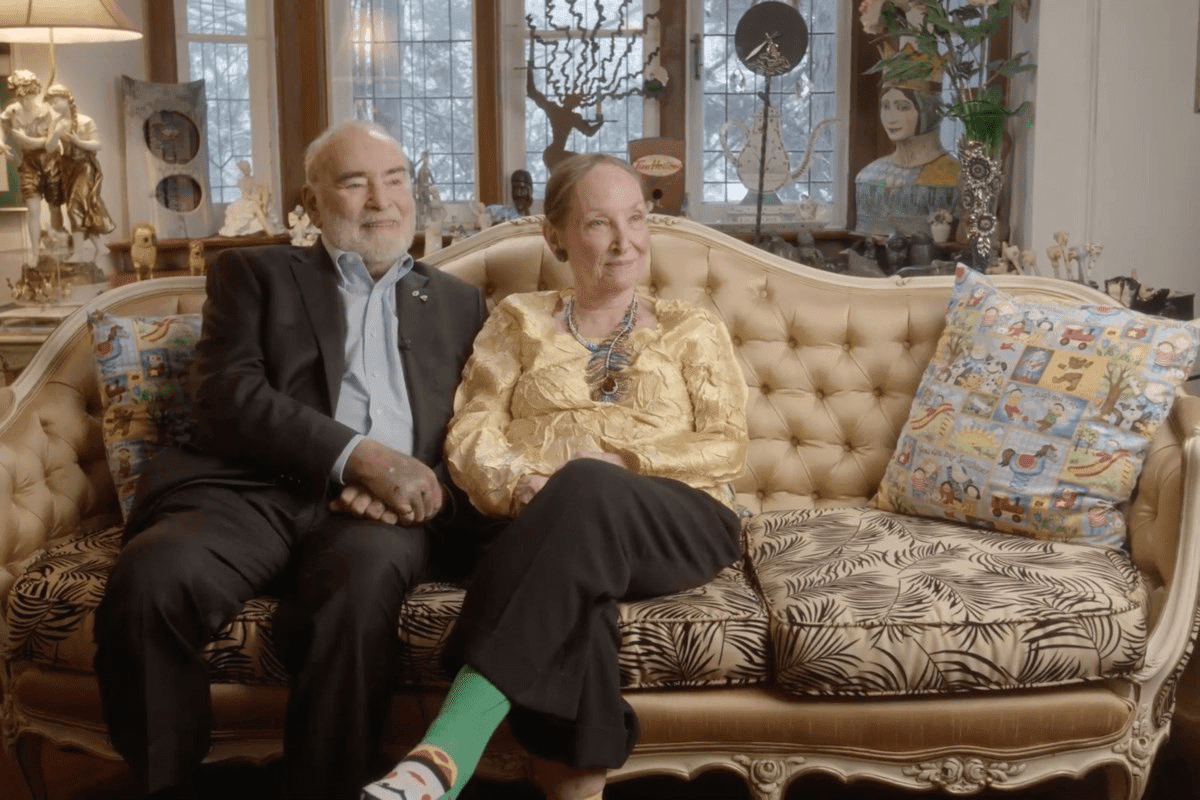
During his doctoral studies, Abella met Rosalie Silberman, a law student six years his junior. They married in 1968. In 2004, Rosalie Silberman Abella became the first Jewish refugee appointed to the Supreme Court of Canada, serving until her retirement in 2021. The couple had two sons, Jacob and Zachary.
Academic Career and Publications
Abella began teaching at York University in 1968, establishing himself as a leading scholar in Canadian labour history. His research also highlighted Canada’s treatment of Jews before and during World War II. Abella’s greatest academic accomplishment was founding the first Canadian Jewish studies course at York’s Glendon College in the early 1970s. He played a key role in creating York University’s Israel and Golda Koschitzky Centre for Jewish Studies and later chaired the J. Richard Shiff Chair in Canadian Jewish Studies.
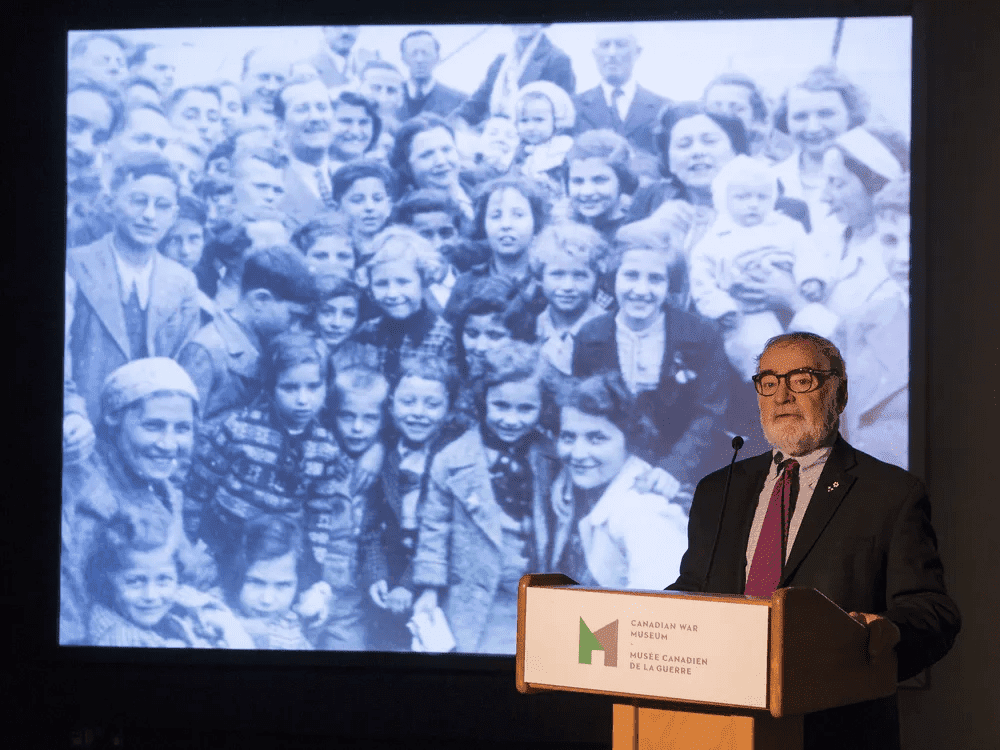
Abella’s most celebrated work, co-authored with Harold Troper, was None Is Too Many: Canada and the Jews of Europe 1933-1948. The book challenged the myth of Canada as an open and welcoming country for immigrants and refugees, exposing discriminatory and anti-Semitic policies.
His other notable works include Nationalism, Communism, and Canadian Labour (1973), On Strike: Six Key Labour Struggles in Canada 1919–1949 (1974), Growing Up Jewish: Canadians Tell Their Own Stories (with Edwin Goldman and Rosalie Sharp, 1997), and A Coat of Many Colours: Two Centuries of Jewish Life in Canada (1990).
Organizational Involvement and Advocacy
Beyond academia, Abella was deeply involved in the Canadian Jewish community. He was a director of the New Israel Fund, editor of Middle East Focus, and chair of the Holocaust Documentation Project. As president of the Canadian Jewish Congress (1992–1995), he pushed for accountability regarding Nazi war criminals in Canada. Abella criticized Canada’s post-war immigration policies, stating that entering Canada as a war criminal required little more than an SS tattoo.
Awards, Honours, and Legacy
Abella and Troper received the Leon Jolson Award in 1983 for None Is Too Many. In 1993, Abella became a Member of the Order of Canada, recognized for his contributions to Canadian history and his advocacy for immigrant contributions. That same year, he was elected to the Royal Society of Canada. He also received the Louis Rosenberg Award for Outstanding Service from the Association for Canadian Jewish Studies in 2006 and honorary degrees from Western University and the Law Society of Ontario.
In 2014, he was appointed to the Order of Ontario for documenting Canadian Jewish history and championing social justice and tolerance. Abella also received the Queen Elizabeth II Golden Jubilee Medal (2002) and the Diamond Jubilee Medal (2012).
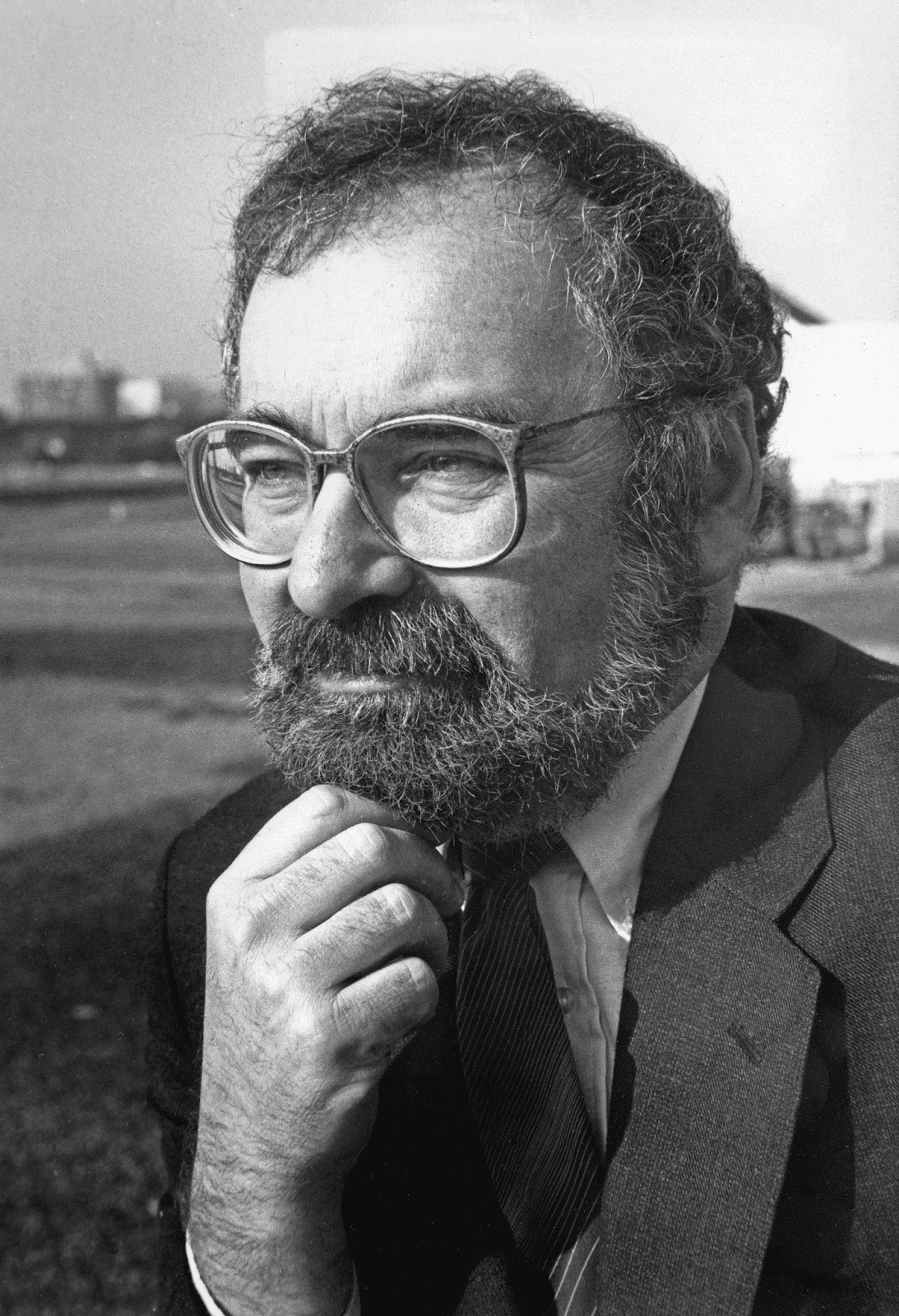
Irving Abella passed away shortly after his 82nd birthday following a long illness. A trailblazer in labour and Jewish history, he is best remembered for None Is Too Many, which not only exposed anti-Semitism in Canada’s government during the 1930s and 1940s but also influenced a more inclusive refugee policy. His archives, which include numerous oral history interviews, are preserved in the Irving Abella Collection in Ontario.
Abella’s importance as a historian lies in his public engagement, meticulous scholarship, and the enduring influence of his work. He authored numerous books, journal articles, essays, and public lectures worldwide. Together with historians like Jack Jedwab, Harold Troper, and Gerald Tulchinsky, Abella helped establish the academic field of Canadian Jewish studies, bringing new methodologies and perspectives that remain integral to the discipline today.
Sources: