

Sally Armstrong is a celebrated journalist, human rights advocate, documentary filmmaker, educator, editor, and author. Born in Montreal, Quebec, in 1943, Armstrong earned her Bachelor of Education from McGill University in 1966 and later completed her master’s thesis at the University of Toronto. Her thesis, “Lack of Access: A Feminist Critique of International Documents Pertaining to Adolescent Girls’ Access to Medical Care and Their Impact on Young Women in Afghanistan and Canada,” reflects her lifelong commitment to advocacy. More about her career, accolades, and contributions to Canadian culture and development on toronto1.one.
Career and Contributions of Sally Armstrong
Armstrong began her career as a physical education teacher in a high school, where she co-founded Canadian Living magazine. In 1988, she became editor-in-chief of Homemakers magazine, a role she held until 1999. As of 2024, she serves as an editor for Maclean’s and Chatelaine. Alongside countless articles and public lectures, Armstrong has authored four books: Mila (a biography of Mila Mulroney, 1992), Veiled Threat: The Hidden Power of the Women of Afghanistan (nonfiction, 2002), The Nine Lives of Charlotte Taylor (fiction, 2007), and Bitter Roots, Tender Shoots: The Uncertain Fate of Afghanistan’s Women (nonfiction, 2008).
Armstrong as a Human Rights Advocate: Veiled Threat
Sally Armstrong is best known for her work as a journalist and human rights advocate. She has brought international attention to the political and cultural struggles of women and children in conflict zones such as Bosnia, Somalia, and Rwanda. Her primary focus, however, has been on the lives of women and girls in Afghanistan during the Taliban’s extremist rule (1996–2001) and during the ongoing efforts to rebuild the nation.
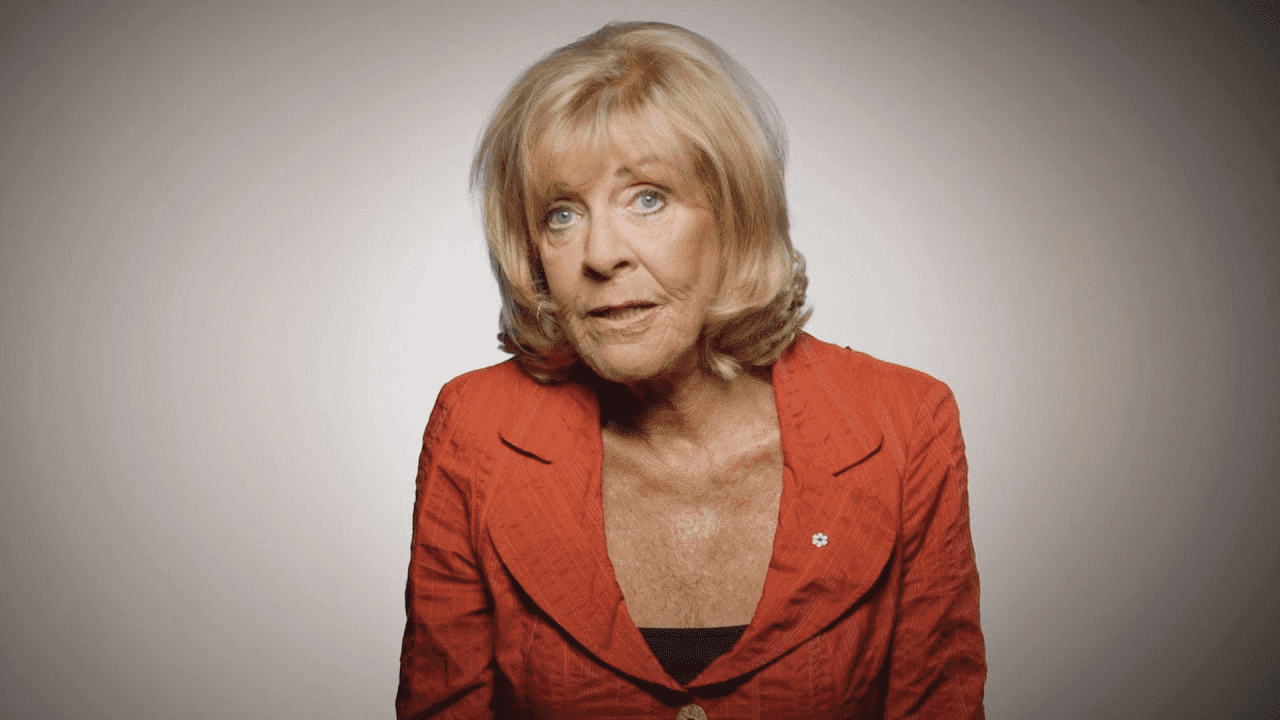
Her bestselling book, Veiled Threat (2002), underscores Armstrong’s belief in the power of collective action to enact meaningful change. The book expands on her groundbreaking 1997 article in Homemakers magazine, which shed light on the dire situation of Afghan women under Taliban rule. The article spurred thousands of Canadians to voice their concerns, drawing attention to a crisis the international community largely ignored. Veiled Threat documents the oppressive conditions women faced and highlights courageous activists such as Dr. Sima Samar, a renowned women’s rights advocate and Afghanistan’s former Deputy Prime Minister.
In her subsequent documentary, Bitter Roots, Tender Shoots (2008), Armstrong returned to Afghanistan to evaluate progress following the Taliban’s fall. Her outspoken advocacy drew criticism from Afghan fundamentalists, who accused her of cultural interference. Armstrong dismissed such accusations, stating that silence equates to complicity, and emphasized the necessity of speaking out for change.
The Novel The Nine Lives of Charlotte Taylor
As both an activist and journalist, Armstrong’s work often focuses on the women and girls most affected by political and military decisions. This storytelling ability extends to her fiction. In 2007, Armstrong published her sole novel, The Nine Lives of Charlotte Taylor, a blend of historical narrative and fiction chronicling the life of Charlotte Taylor, one of New Brunswick’s earliest settlers.
Armstrong, a direct descendant of Charlotte Taylor, combined archival facts with creative storytelling to craft a comprehensive narrative. She notes that her fictionalized approach was necessary to fill historical gaps and believes her ancestors would have encouraged her imaginative liberties.
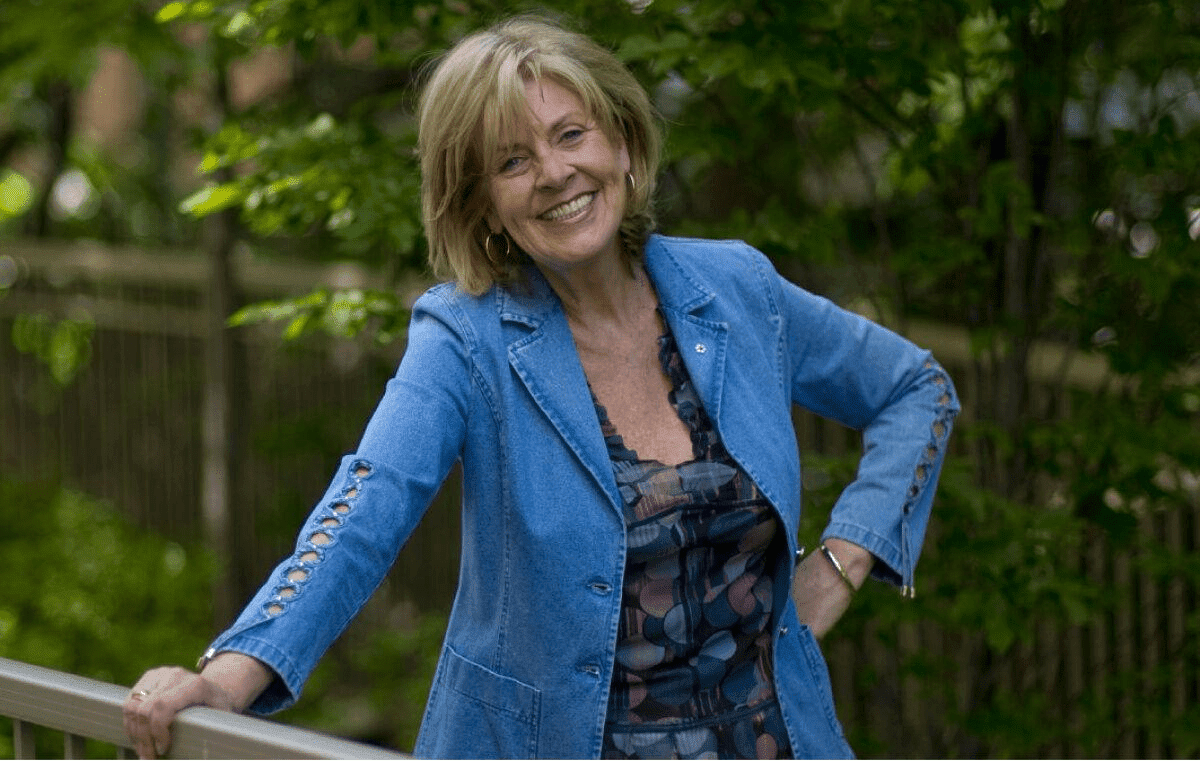
The novel reflects themes parallel to Armstrong’s nonfiction, particularly her focus on women defying societal and cultural norms. Armstrong writes that Charlotte’s story resonated with the same themes she explored in her articles over two decades: women challenging cultural and religious constraints to seek emancipation.
Awards and Recognition
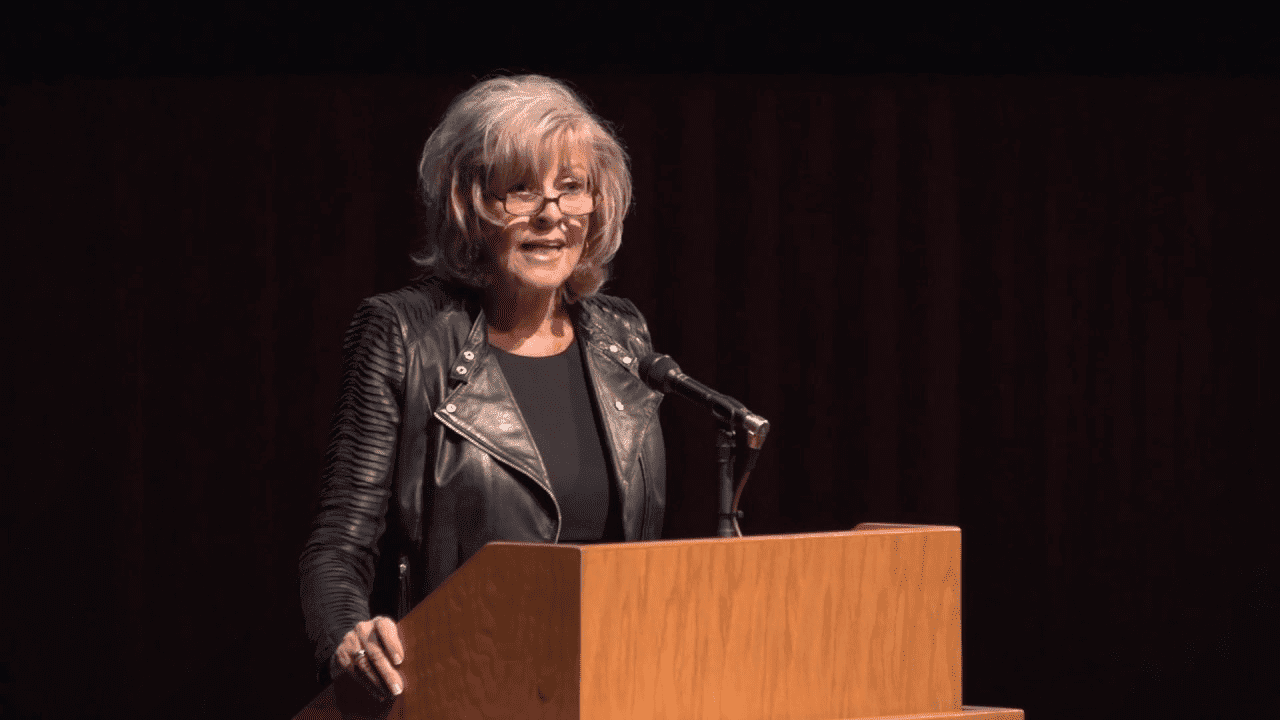
Armstrong’s impactful journalism has earned her two Amnesty International Media Awards, in 2000 and 2002. Her work also extends beyond print; she produced and hosted award-winning documentaries for CBC, including They Fell from the Sky (2001) and Daughters of Afghanistan (2003).
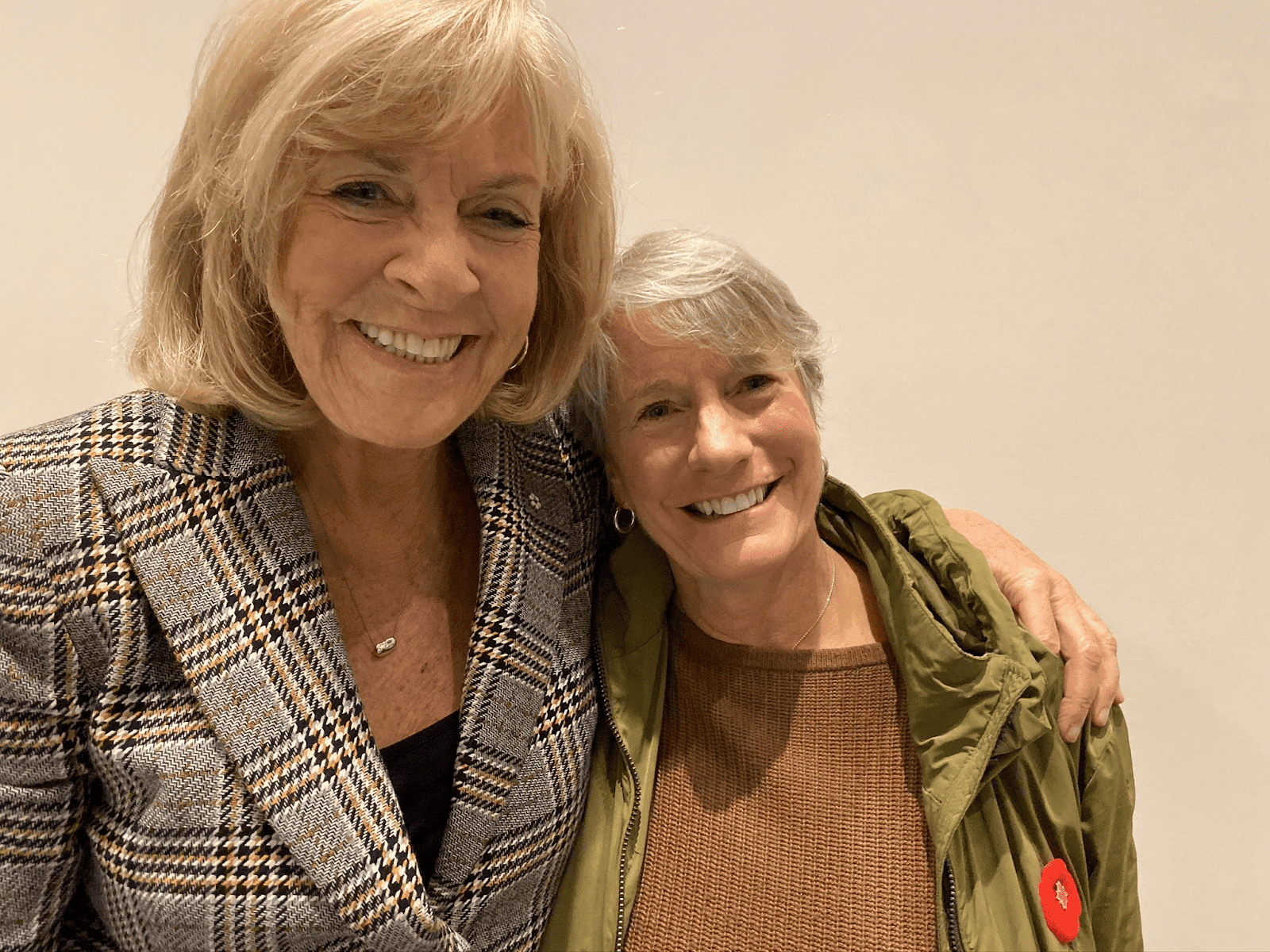
Her humanitarian efforts include co-founding Willow, a Canadian breast cancer support network, and serving as a member of the Canadian Women’s Foundation’s Council of Advisors, which aims to improve the lives of women and girls.
Armstrong’s achievements have been recognized by several universities: she received honorary doctorates from Royal Roads University (2000), McGill University (2002), St. Thomas University (2004), the University of Guelph (2007), and the University of Ottawa (2007). She became a Member of the Order of Canada in 1998, a distinction honoring her contributions to society. In 2008, she received the Canadian Journalism Foundation Lifetime Achievement Award.
Sally Armstrong has inspired individuals worldwide to become agents of change. As a journalist, magazine editor, and human rights advocate, she has reported on the struggles of women and girls in conflict zones, transforming her experiences into bestselling books. She is credited with bringing international issues into women’s magazines, and her compelling stories and documentaries have raised collective awareness. A sought-after speaker and advisor, Armstrong remains a figure of pride for Toronto and all Canadians.
Sources: