

Toronto’s dairy industry dates back to 1793, when small local producers supplied milk to the city’s early residents. As the population grew, milk was sourced from nearby farms. By 1909, Toronto was receiving approximately 20,000 gallons of milk daily from about 900 farms.
Over time, the city witnessed the establishment of its first milk processing plant, producing various dairy products. Learn more about the development of Toronto’s dairy industry, the creation of its first factory, and its unique operational features on toronto1.one.
Safety First
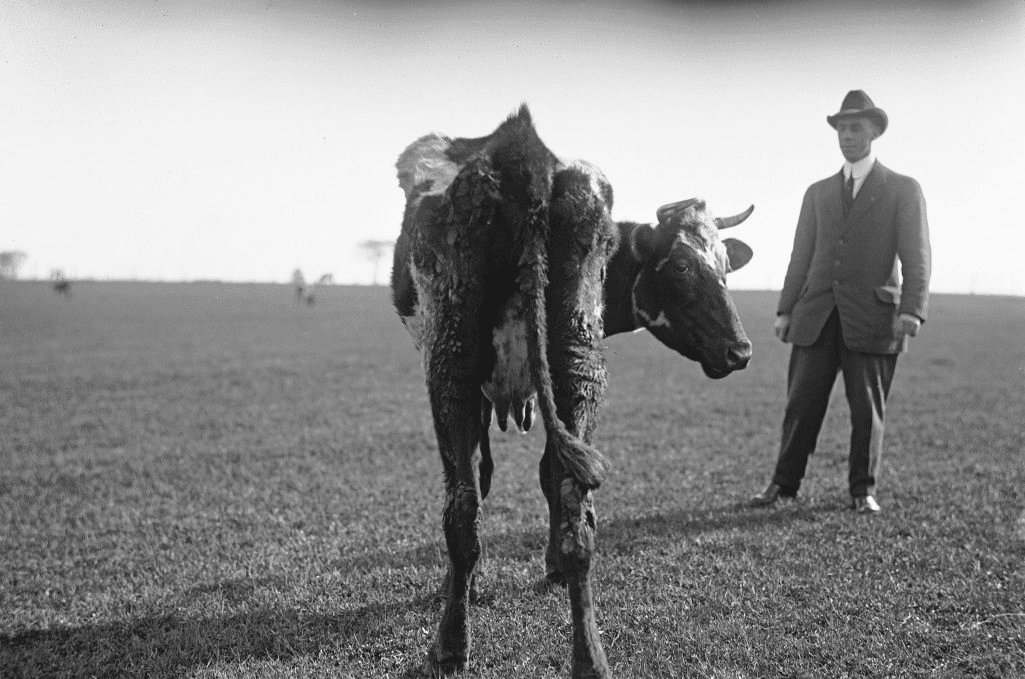
Milk delivered to Toronto was inspected by city officials to ensure its purity and safety from contaminants or harmful chemicals. Any milk found to be contaminated was destroyed, often poured into the sewer. In some cases, low-quality milk was dyed red and returned to the farmer as a form of reprimand.
To ensure the safety of milk supplies, the Toronto City Council enacted a law regulating the production, processing, and distribution of milk. In 1908, the city’s health officer mandated the pasteurization of all milk entering Toronto. This process involved heating raw milk to a high temperature and then rapidly cooling it before bottling. Pasteurization not only extended milk’s shelf life but also eliminated pathogens like those causing tuberculosis, typhoid fever, and salmonella.
The Dept. of Public Health created a special report card to monitor the quality of dairy farms and factories. Information on farms scoring above 80 points was published weekly in the Health Bulletin. The first report, published in 1912, listed only 10 Toronto-based suppliers, with Caulfield’s Dairy and City Dairy among the most prominent.
The First Producers
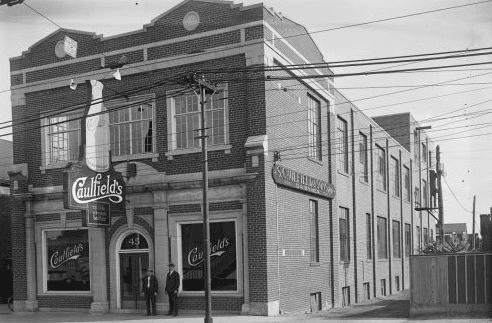
Founded in 1888 by Samuel Caulfield, an immigrant from Belfast, Caulfield’s Dairy began as a modest operation with just one wagon. Initially based in Parkdale, the dairy later relocated to Roncesvalles Avenue. By the 1920s, the business was thriving.
One of the dairy’s most infamous employees was Edwin Boyd, a notorious bank robber and leader of the Boyd Gang. In 1939, Boyd’s father arranged for him to work at Caulfield’s, where he loaded and unloaded crates of milk bottles for $18 per week. However, when Boyd was reassigned to cleaning milk vats with harsh alkaline solutions during the night shift, he quit out of dissatisfaction with the job.
Established in 1901 by Toronto businessman Walter Massey, City Dairy aimed to provide safe, clean milk to the city’s residents. Massey had prior experience in the dairy business, having founded a small farm in Dentonia Park in 1897. Initially intended to supply milk for his family, the farm soon began selling milk to processing plants.
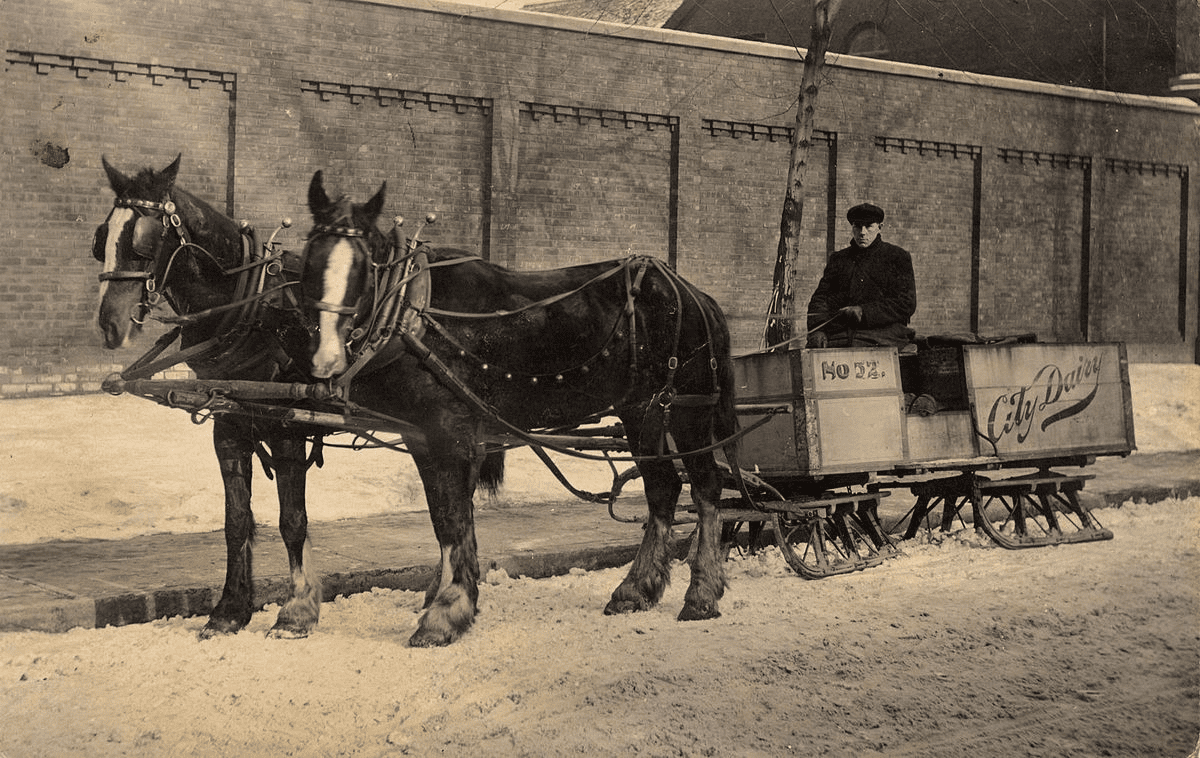
Recognizing the growing demand for clean milk, Massey leveraged his experience to transform the small farm into the City Dairy, known for its advanced facilities, which included a laboratory and sterilization equipment.
The factory, designed by architect George Miller, quickly became equipped with cutting-edge technology, including the world’s largest milk pasteurization separator. City Dairy conducted over 70,000 tests annually in its laboratory to ensure milk quality and even assembled a team of dairy inspectors to monitor the conditions on supplying farms. This rigorous approach, combined with the early adoption of pasteurization in 1903, gave City Dairy a competitive edge in Toronto’s dairy market. By 1915, City Dairy controlled more than 40% of the city’s dairy business.
In 1930, City Dairy was acquired by the Borden Company, which repurposed the Spadina Crescent facility as its headquarters for producing ice cream and milk. By 1962, the land was repurposed for the University of Toronto.
Toronto’s early dairy industry was shaped by innovation and a commitment to safety, which set the standard for modern practices. The stories of Caulfield’s Dairy and City Dairy highlight the city’s growth from small-scale production to a thriving dairy hub.