

Marian Engel was a renowned Toronto writer who made a significant contribution to Canadian literature. Her works garnered respect and admiration far beyond Canada’s borders.
Her books were and continue to be read by people worldwide. Read on at toronto1.one to learn more about Marian Engel’s life and literary achievements.
Searching for Herself
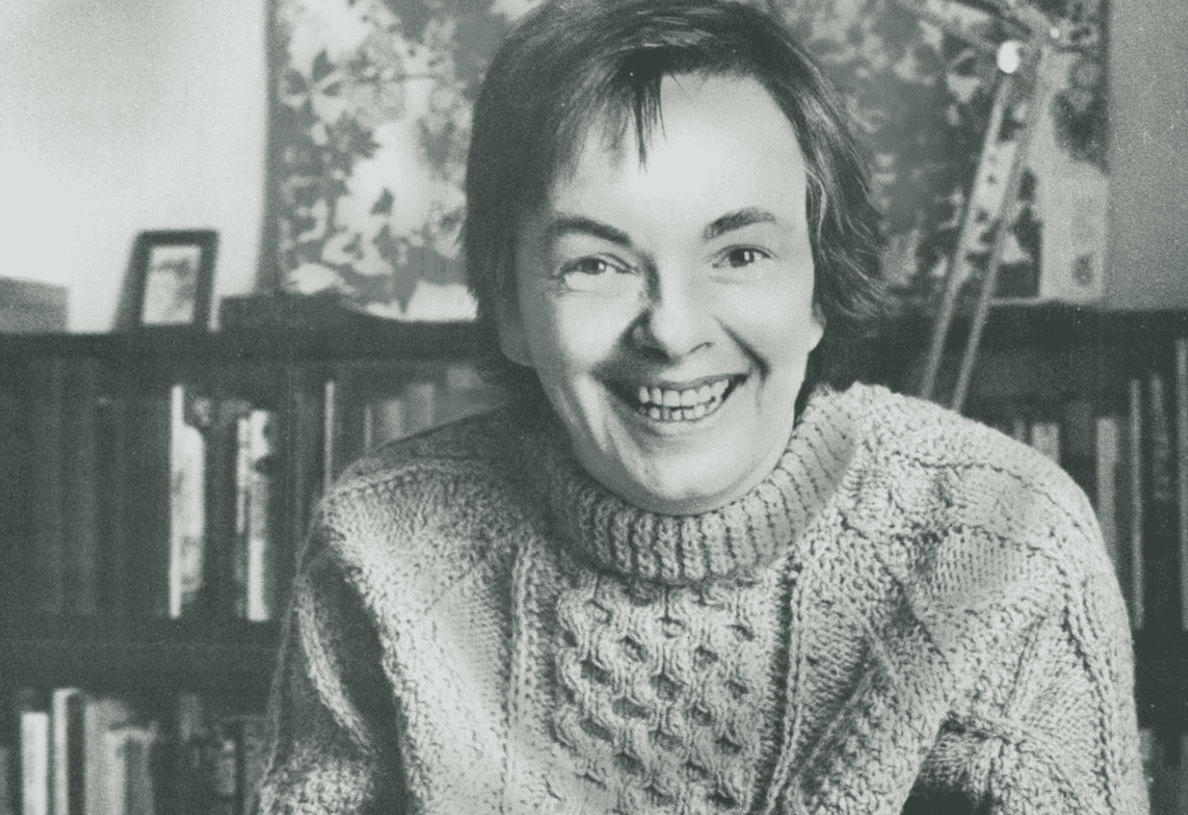
Marian Engel was born on May 24, 1933, in Toronto. She spent her early years in a foster home before being adopted by Frederick Searle and Mary Passmore. Engel’s father was an auto mechanics teacher and held positions in various schools across Ontario. As a result, the family moved frequently from one city to another.
After graduating from Collegiate Institute & Technical School, Engel earned a Bachelor of Arts degree in linguistics from McMaster University in 1955. She followed it with a Master of Arts degree in Canadian literature from the same university in 1957, under the guidance of writer Hugh MacLennan.
In the early 1960s, Engel received a Rotary Foundation scholarship and spent a year studying at Université d’Aix-Marseille in Aix-en-Provence, France. After completing her studies, she moved to England and began working on an unpublished manuscript, Women Travelling Alone.
In 1964, Marian married Howard Engel, a detective fiction author and Canadian Broadcasting Corporation (CBC) radio producer. The couple had met years before Marian’s move to England. That same year, the pair returned to Toronto, where they later had twin children. While raising her young children, Marian began focusing on her writing career.
The Beginning and Development of a Literary Career
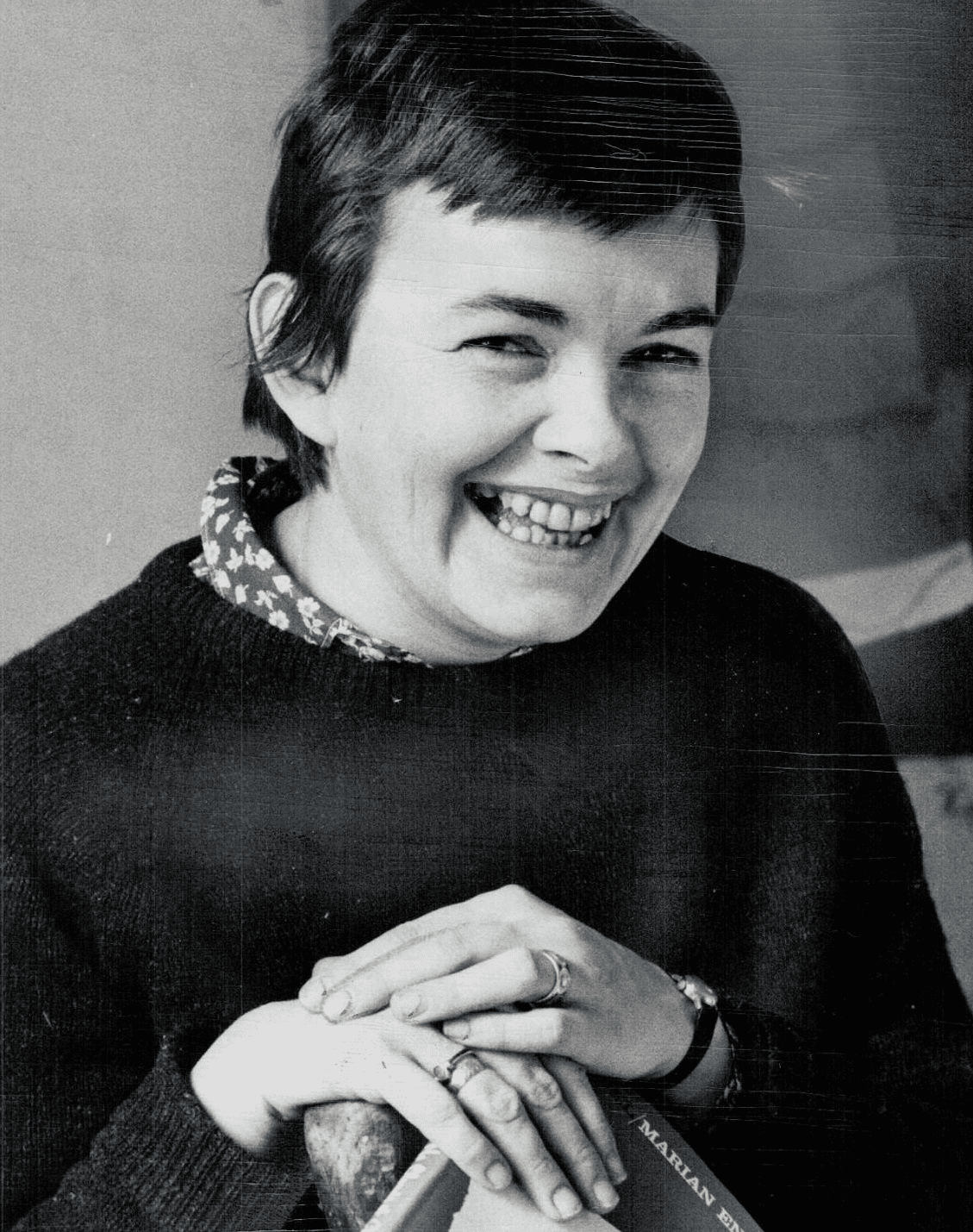
Engel’s writing captured modern life, focusing on the everyday experiences of women. She described her work as an exploration of an imperfect world. A recurring theme in her works was the relationships between mothers and daughters, rooted in identity exploration and subjective experience.
Despite receiving numerous awards for her literary achievements, some critics argued that she focused too heavily on women and their quests for self-realization. However, fellow writer Alice Munro disagreed, noting that Engel was the first to delve deeply into women’s lives and demonstrated through her own experiences that writing on such topics could lead to success.
Engel’s debut novel, No Clouds of Glory, was published in 1968 and became popular among readers and critics alike. In 1974, she released Sarah Bastard’s Notebook, which challenged traditional perceptions of female identity.
Engel’s most famous and controversial work, Bear (1976), tells the story of a romantic relationship between a woman and a bear. Initially rejected by the editor at Harcourt Brace, the novel was eventually published by McClelland & Stewart. This work earned Engel the Governor General’s Literary Award for Fiction.
In addition to novels, Engel wrote compelling collections of short stories. She often drew inspiration from her personal diary, where she recorded memories and details. In 1999, her diary was edited and published as Marian Engel’s Notebook.
Marian Engel’s life was tragically cut short by cancer. She passed away on February 16, 1985. Her death was a profound loss to her colleagues, with whom she corresponded until her final days.
For her outstanding achievements in literature, Engel received numerous accolades. After her passing, the Canadian Writers’ Development Fund established the Marian Engel Award, a $10,000 annual prize awarded to a female writer in her honour.