

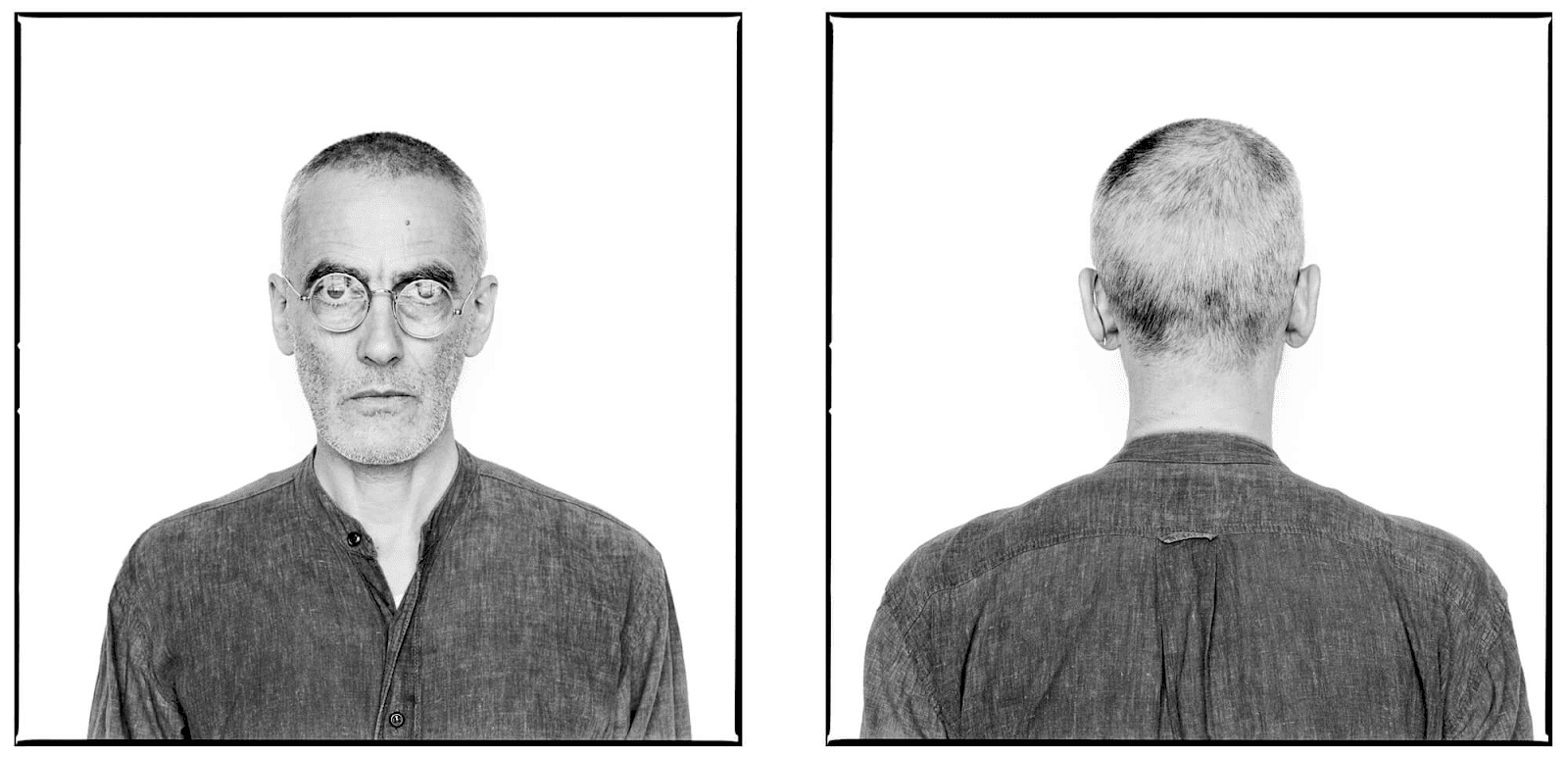
Arnaud Maggs had a long career that brought him recognition and success in both commercial and fine arts. Early in his professional journey, he worked as a graphic designer and illustrator, shaping his visual language and approach to art creation. By the late 1960s, Maggs transitioned to commercial photography, focusing on fashion and portraiture. It wasn’t until a decade later that he fully devoted himself to fine art. More details at toronto1.one.
Family, Childhood, and Early Passions
Arnaud Cyril Benvenuti Maggs was born on May 5, 1926, in Montreal to Enid and Cyril Maggs. His name originated from his maternal grandfather, a commander in the Sikh Regiment of British India, where Enid and her siblings spent part of their childhood. Following the death of their parents, they relocated to Canada to live with their grandparents. Cyril Maggs, originally from Wallasey, England, had Italian heritage through his mother, whose maiden name was Benvenuti. After serving in World War I, Cyril emigrated to Canada, where he met and married Enid.
During his childhood, Maggs developed an early appreciation for the formal qualities of everyday objects and a fascination with collecting. He was particularly drawn to small packaging, finding it incredibly aesthetic. Maggs even decorated his bedroom with rows of white popcorn bags, inspired by storefront displays he tried to replicate at home. This early attention to detail and appreciation for design foreshadowed his later artistic pursuits.
As a teenager, Maggs displayed a knack for design. He created posters for school dances, and by eleventh grade, he was asked to design the cover for the school yearbook, marking his first published work. Reflecting his multifaceted future career, the yearbook quoted American journalist, historian, food critic, and photographer Lucius Beebe as his personal inspiration.
Maggs as a Designer
In 1947, Maggs began his career as an apprentice at Bomac Federal Ltd., a studio and engraving company with locations in Montreal, Toronto, and Ottawa. Initially tasked with menial jobs such as cutting mats and mixing paint, Maggs admired the work of the artists around him. These experiences deepened his commitment to mastering typography and layout design.
One of his first major achievements came when he designed a commemorative emblem for Sun Life Assurance at the age of 21, winning a design competition.
Maggs later moved to Toronto to further hone his skills at Brigden’s Limited, where he met Margaret “Maggie” Frew, a fashion illustrator. The two married in 1950 and relocated to Montreal, where Maggs attended evening lectures by Carl Dair at the Montreal Museum of Fine Arts. Without formal design education, Maggs viewed these lectures as essential to his growth.
By 1951, Maggs had his first son, Lawrence, also known as Lorenzo. That year, he started working as an independent designer and illustrator, offering layout, design, and illustration services to clients such as Sport Togs and Ciba Company. His involvement with the Montreal Art Directors Club introduced him to graphic designer Alvin Lustig, whose lecture inspired Maggs to commit fully to his artistic identity. This pivotal moment led Maggs to move to New York City with his family.
Projects and Artistic Works
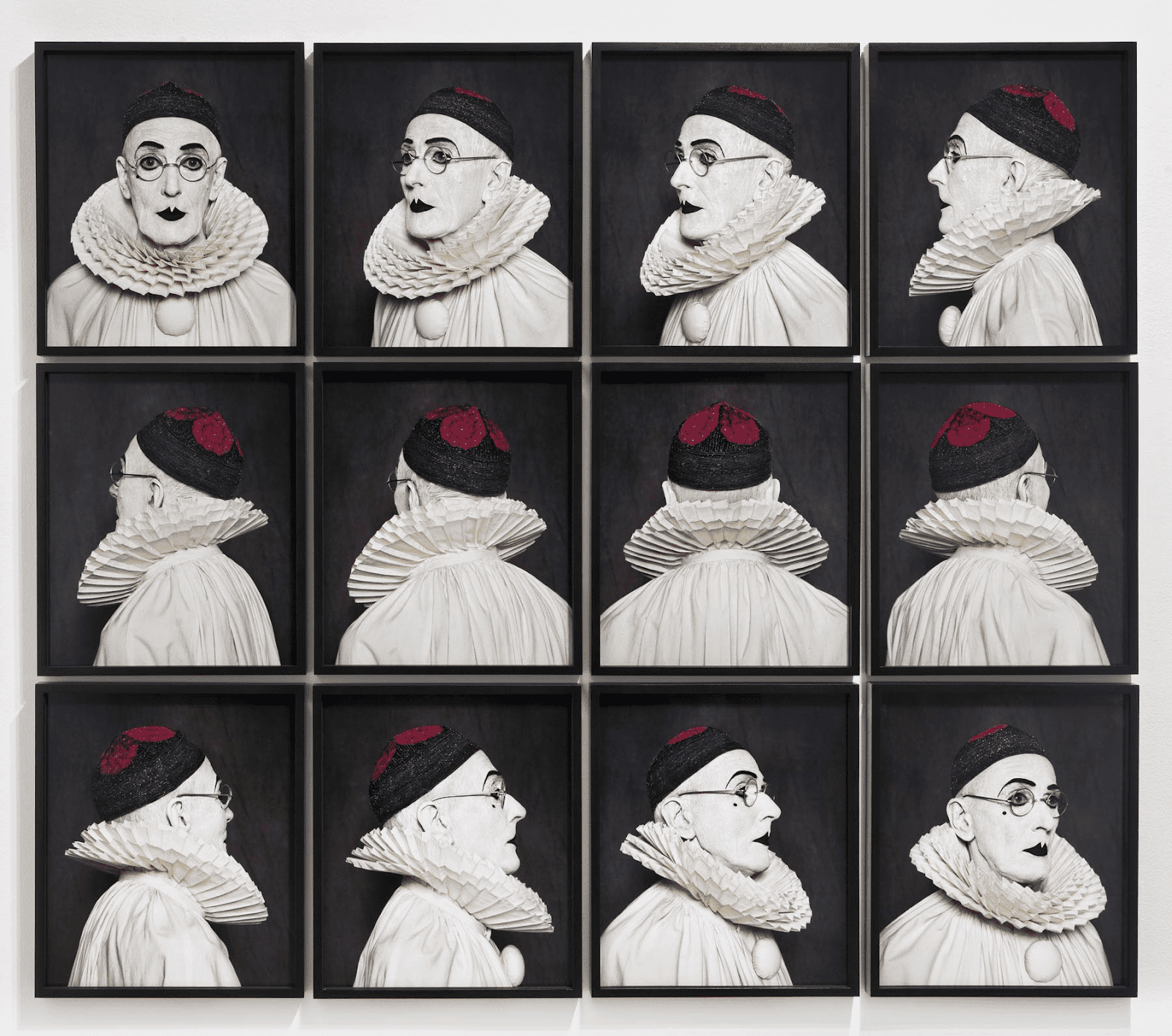
In his early career, Maggs’s work often included portraiture. His pieces were showcased alongside notable artists such as Clara Gutsche, Gabor Szilasi, and Sam Tata in the 1978 exhibition Sweet Immortality. Maggs’s art aligned with the conceptual movement of the late 1960s, which incorporated repetition, seriality, procedural systems, and photography.
One of Maggs’s key projects, 64 Portrait Studies (1976–78), employed grid-based photographic strategies that challenged traditional portraiture. His work featured in Winnipeg Perspective 1979–Photo/Extended Dimensions, alongside conceptual pieces by Sorel Cohen, Suzy Lake, and Barbara Astman.
In 1980, while in Europe for a solo exhibition at the Canadian Cultural Centre in Paris, Maggs sought out Joseph Beuys in Düsseldorf for a portrait project. Inspired by Beuys’s retrospective at the Guggenheim Museum, Maggs created two monumental portraits composed of 100 individual photographs each.
Later Works and Recognition
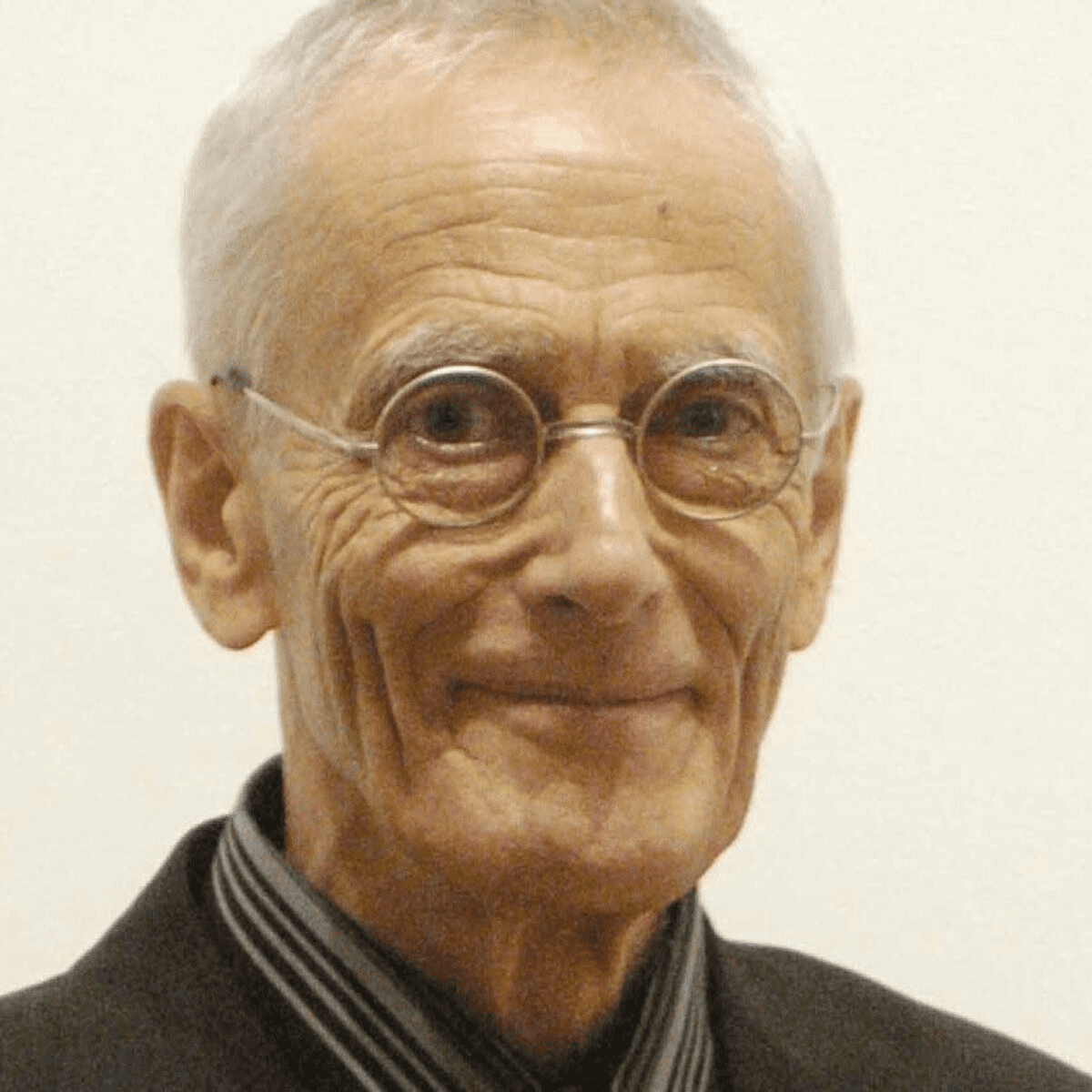
Maggs passed away on November 17, 2012, at the age of 86 at Kensington Hospice in Toronto. His artistic contributions were celebrated in the retrospective exhibition Arnaud Maggs: Identification at the National Gallery of Canada earlier that year. He was also the recipient of the second annual Scotiabank Photography Award in 2012, which culminated in an exhibition at the Ryerson Image Centre (RIC) in 2013. That year, he completed his final work, After Nadar.
Maggs understood the importance of exhibition design in shaping the audience’s experience of his art. Just months before his death, he actively participated in planning the Scotiabank Photography Award exhibition. This involvement was his final creative act, with the RIC exhibition showcasing rare self-portraits, including Dadaist Portraits (2010) and After Nadar (2012). These works positioned Maggs within the historical context of photography, affirming his legacy.
Following his death, artist Geoffrey Hurlburt created several works incorporating Maggs’s ashes, part of a series titled Thin Line (2016). These poignant pieces stand as a fitting tribute to Maggs’s enduring influence.