

Toronto residents have always had a sweet tooth. As early as 1834, the city boasted two local confectioners: Alexander Erskine at 65 King Street and Franco Rossi at 217 King Street. Within a decade, the number of confectioners had grown to ten, and by 1890, the city directory listed over 150 businesses engaged in candy and cocoa production. This growth was partly fueled by innovations in chocolate production, which improved flavor and texture. More on toronto1.one.
Gradually, small confectioneries in Toronto were supplanted by large manufacturers whose products reached far beyond their local neighborhoods. In the early 20th century, the city’s chocolate industry was defined by the rise of three national leaders: Neilson’s, Laura Secord, and Willards. Here’s a closer look at the history of confectionery in Toronto.
The Beginnings of Toronto’s Confectionery History
The confectionery industry—a manufacturing sector focused on processing candies, chocolate, cocoa products, and chewing gum—became an essential business by the late 19th century.
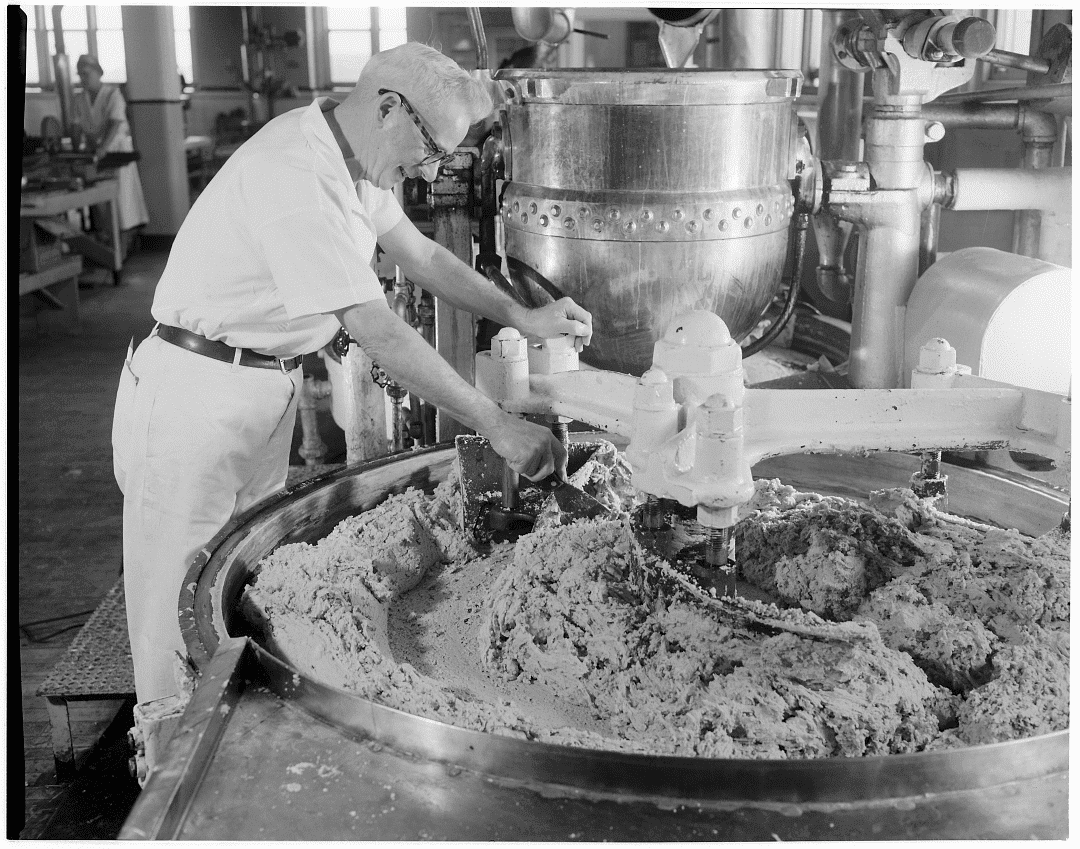
One of the first commercial operations, McCormick’s Ltd, was founded in 1857. Robertson Brothers Ltd entered the candy business in Toronto by 1864, and Ganong Brothers opened in St. Stephen, New Brunswick, in 1873. That same year, Moirs Ltd, initially a bakery, began making candy in Halifax. In 1874, Robert Watson Co launched in Toronto, and by 1879, Viau Ltée began operations in Montreal.
Key Moments in Toronto’s Confectionery Industry
In Toronto, Patterson Candy Co was established in 1888, followed by Cowan Co in 1890. The confectionery industry in Canada saw significant growth in the early 1900s with the emergence of large manufacturers, including William Neilson Ltd in Toronto in 1908, Willard’s Chocolates Ltd in 1914, and Fry-Cadbury Ltd in Montreal in 1920. Walter M. Lowney Co of Montreal and Walter Baker Co in Toronto were also founded during this period. Interestingly, even in 2024, the industry remains heavily concentrated in Eastern Canada.
Notable Toronto Confectionery Producers
William Neilson, best known as an ice cream manufacturer, began producing mass-market and boxed chocolates in 1906 at his Gladstone Avenue factory to keep his skilled ice cream makers employed during the slower winter months. By 1914, Neilson’s was producing over 500,000 pounds of chocolate annually. When Neilson passed away in 1915, his son Morden took over the family business. Under Morden’s leadership, Neilson’s became Canada’s largest chocolate producer, known for iconic products like Crispy Crunch (1923) and Jersey Milk (1924), which remain popular to this day.
Notably, E.G. Robinson, a former Neilson employee, earned a reputation in the confectionery industry for aggressive pricing and questionable business practices, including evading bill payments.
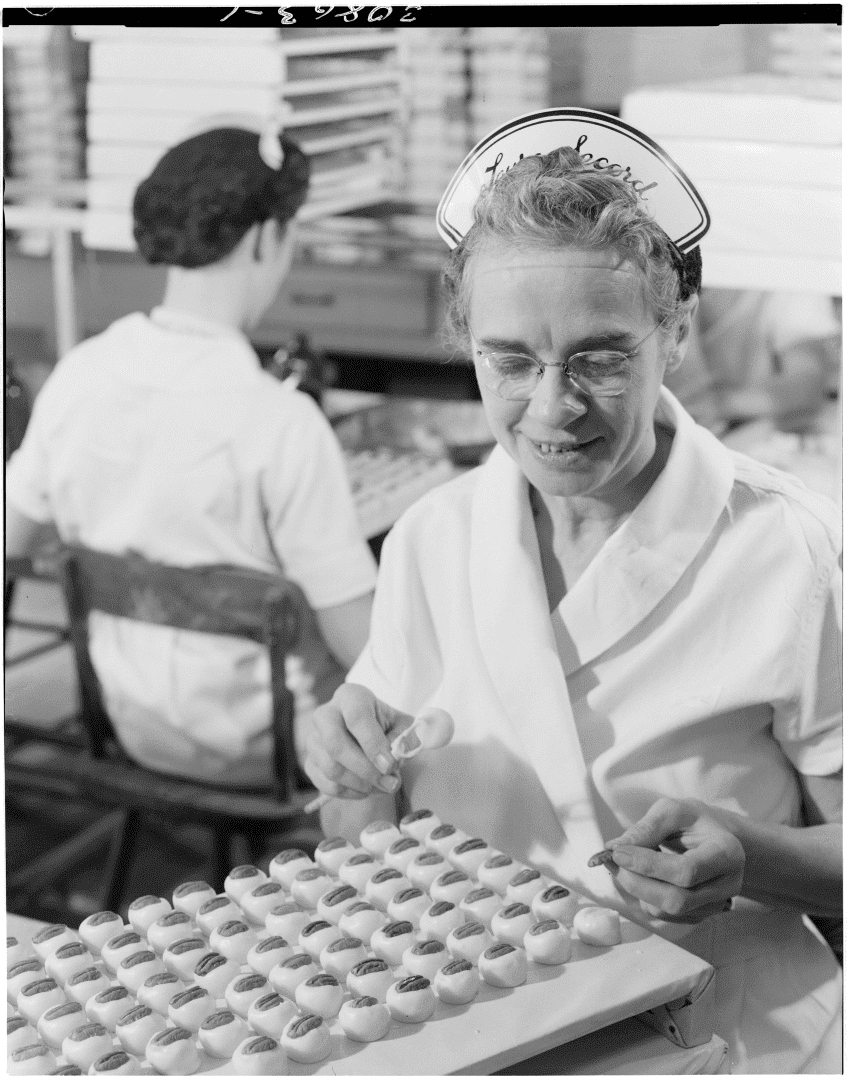
In 1913, Frank O’Connor (1885–1939) and his wife Mary (1878–1931) opened the first Laura Secord store at 354 Yonge Street, just north of Elm Street. Initially selling products made in their apartment kitchen, O’Connor emphasized the quality, purity, and dignity of their chocolate candies—values reflected in the company’s name and branding, inspired by the historical figure Laura Secord. O’Connor designed the first Laura Secord store to feel “homey,” with white paint, simple black trim, and muslin curtains in polka-dot patterns, echoing the design of their early chocolate boxes.
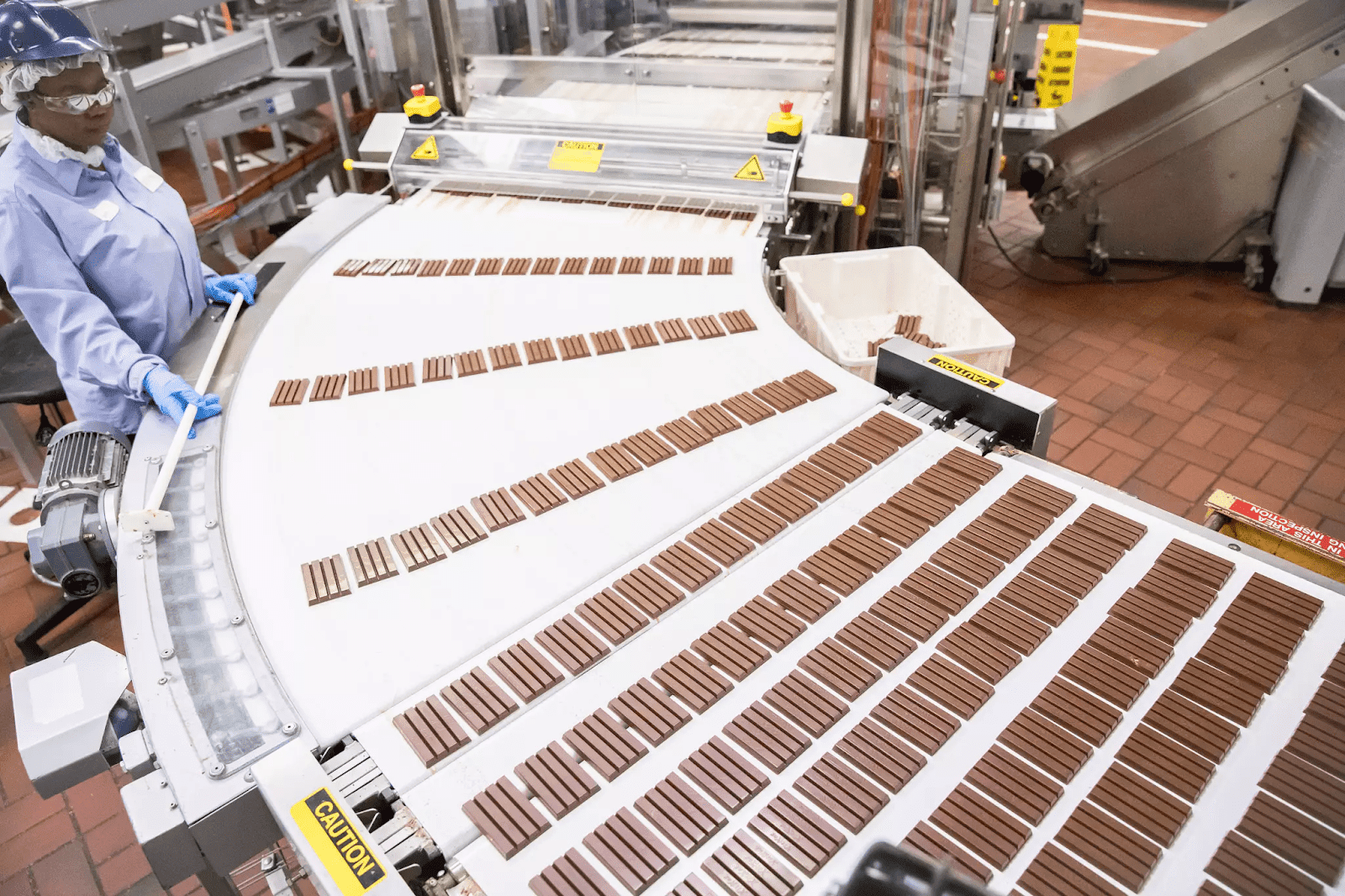
Employees at Laura Secord could participate in an employee profit-sharing program, introduced by Frank O’Connor in 1923 to mark the company’s 10th anniversary. By 1926, Laura Secord had grown into an international chain with 57 stores in Canada and 19 in the U.S. under the Fanny Farmer brand. A generous philanthropist and supporter of the Liberal Party, O’Connor was appointed to the Senate in 1935, and O’Connor Drive is named in his honor. Laura Secord’s candy production facilities at Bathurst and Wellington Streets operated until 1972, when manufacturing moved to a plant at 1500 Birchmount Road in Scarborough.
Willards Chocolates, founded around 1914, became famous for its Sweet Marie chocolate bar. However, the company also played a role in a 1920s labor dispute known as the Chocolate Case, where it was accused of falsifying payroll records and underpaying employees in violation of Toronto’s minimum wage law.
Sources: